(OPGOV GLOBAL) – Abbott Laboratories agreed to pay nearly $385 million to resolve federal and state allegations involving the manufacturing and sale of infant formula and nutritional products at facilities in Michigan and Arizona, according to the U.S. Department of Justice.
The $384.999 million settlement, announced September 14, resolved allegations that Abbott manufactured products under conditions that did not meet federal requirements and caused false claims to be submitted for products purchased through federally funded programs.
Abbott did not admit liability or wrongdoing as part of the settlement.
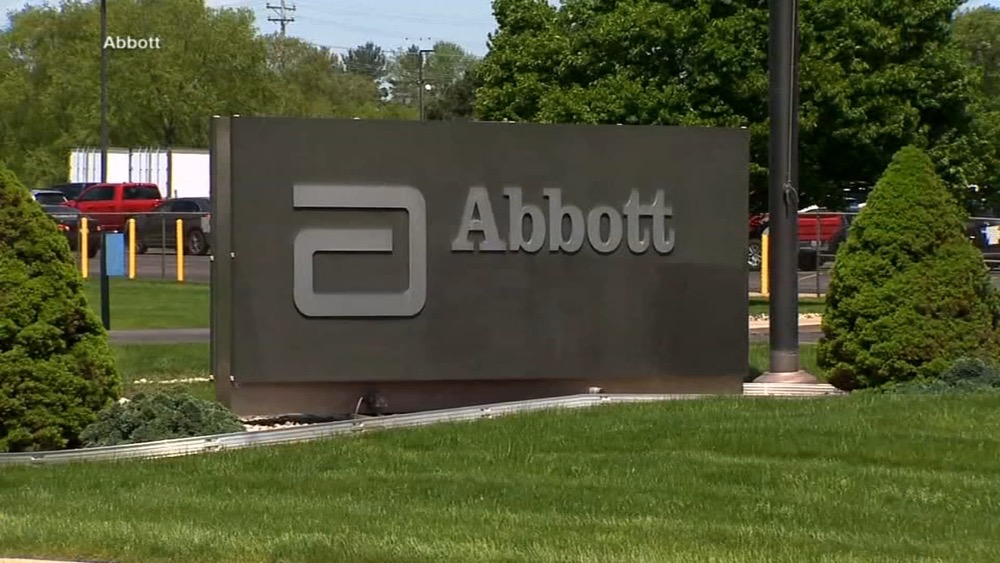
Abbott Laboratories agreed to a $384.999 million civil settlement with government regulators without admitting any liability or legal wrongdoing.
Photo Credit: ABC7 Chicago/Website
The allegations centered in part on Abbott's Sturgis, Michigan, facility, which was investigated by the Food and Drug Administration in 2022 after reports of illnesses involving infants who had consumed powdered formula manufactured at the plant.
The FDA's investigation focused on Cronobacter sakazakii, a bacterium that can cause serious infections in infants, particularly newborns.
The agency reported finding Cronobacter in five environmental samples collected at the Sturgis facility during its investigation. Testing of product samples collected at the facility did not detect the bacteria, and the FDA reported that clinical samples from two patients did not genetically match the strains identified in environmental samples at the facility.
The investigation resulted in Abbott recalling certain powdered Similac, Alimentum, and EleCare products and temporarily stopping production at Sturgis.
The shutdown contributed to a nationwide infant formula shortage during a period when the country's food supply chain was already experiencing disruptions.
The broader issue of food safety has continued to receive attention.
OpGov.News recently examined the increase in reported foodborne illnesses in “Why Are There So Many Foodborne Illness Cases This Year?,” written by OpGov reporter Teri Tracy, which looked at factors affecting the domestic food supply chain and the challenges involved in preventing foodborne illness.
At the Sturgis facility, federal prosecutors later alleged that Abbott had manufacturing and sanitation problems that included recurring roof leaks and cracks and pits in equipment used during production.
The Justice Department also alleged that Abbott failed to properly maintain sanitary conditions, conduct required testing, and report certain information to federal regulators.
Those allegations formed part of the government's civil case and were resolved through the September 14 settlement.
The settlement also involved allegations concerning Abbott products purchased through Medicaid and the Special Supplemental Nutrition Program for Women, Infants, and Children, commonly known as WIC.
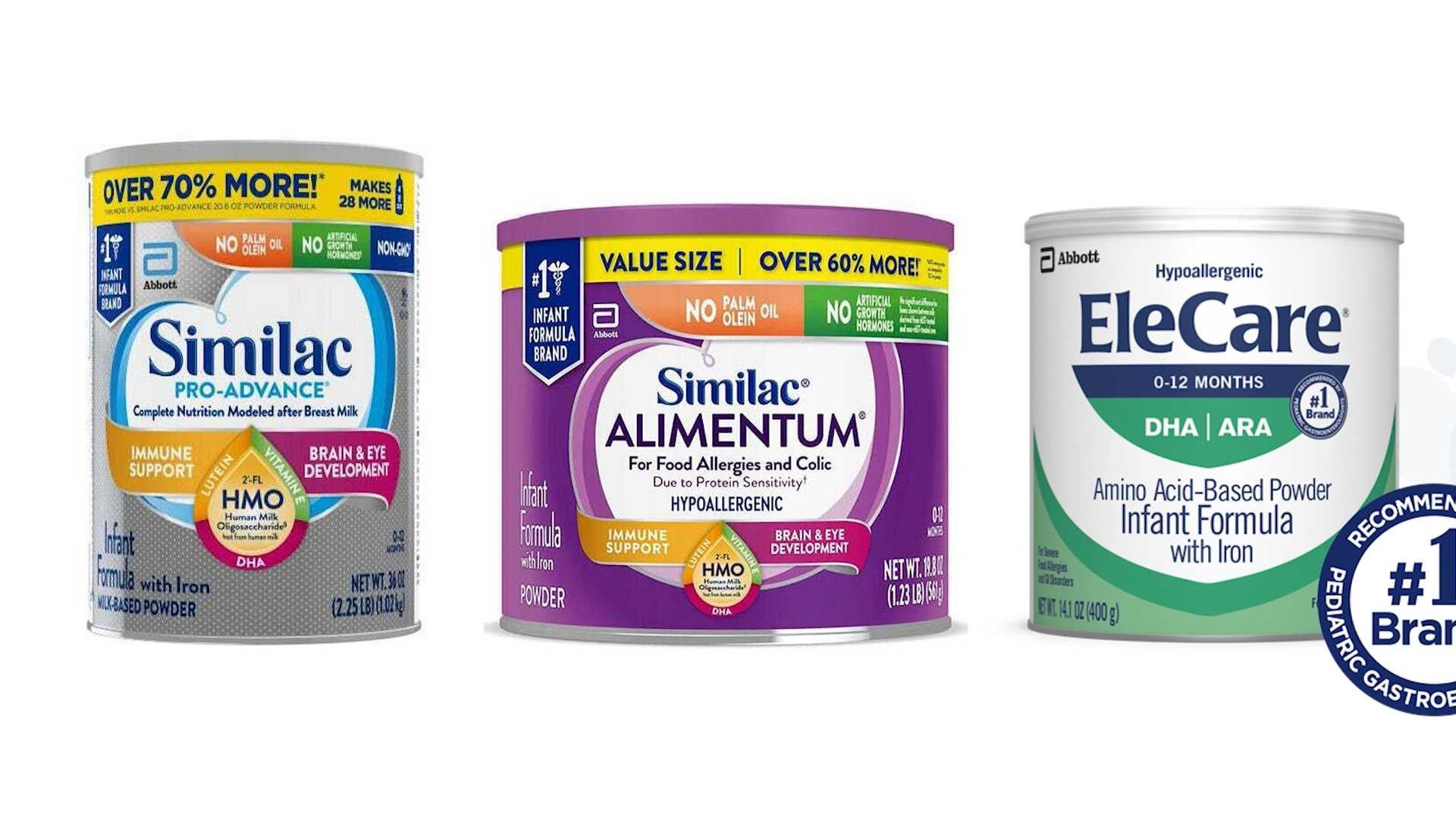
Voluntary recalls impacted product lines including Similac, Alimentum, and EleCare during the 2022 investigation.
Photo Credit: KVOE/Website
The Justice Department said three former Abbott employees who brought a whistleblower case under the False Claims Act would receive $69 million from the federal recovery.
The Sturgis facility later resumed production after Abbott entered into a federal consent decree requiring the company to take corrective measures.
The FDA subsequently continued work on measures intended to reduce the risk of Cronobacter infections associated with powdered infant formula. The agency's response included additional work with infant formula manufacturers and other stakeholders on manufacturing practices, testing, and prevention.
The 2022 investigation also occurred as the FDA continued to expand its regulatory role over medical and health products. OpGov.News previously reported on that work in “FDA Clears Blood Test to Help Identify Alzheimer's Disease,” which examined the agency's authorization of a blood test designed to help identify amyloid pathology associated with Alzheimer's disease.
A separate OpGov.News report, “FDA Authorizes First Standalone Robotic Device to Draw Blood Without Hands-On Intervention,” examined the FDA's authorization of an autonomous robotic phlebotomy device and the regulatory process used to authorize a new type of medical device.
The FDA's work on infant formula differed from those medical-device and diagnostic authorizations because the 2022 response involved an active food-safety investigation, product recalls, and manufacturing oversight.
Abbott maintained that its products had not been shown to cause the illnesses that prompted the investigation.
The company said government testing of unopened formula collected from the homes of infants involved in the 2022 investigation was negative for Cronobacter. Abbott also said no unopened Abbott infant formula distributed to consumers had tested positive for the bacteria.
The Justice Department's settlement resolved the government's civil allegations without establishing that Abbott's products caused the reported infant illnesses or deaths.
The settlement also did not constitute a criminal conviction or admission of wrongdoing by Abbott. The company said the related criminal investigation had been closed.
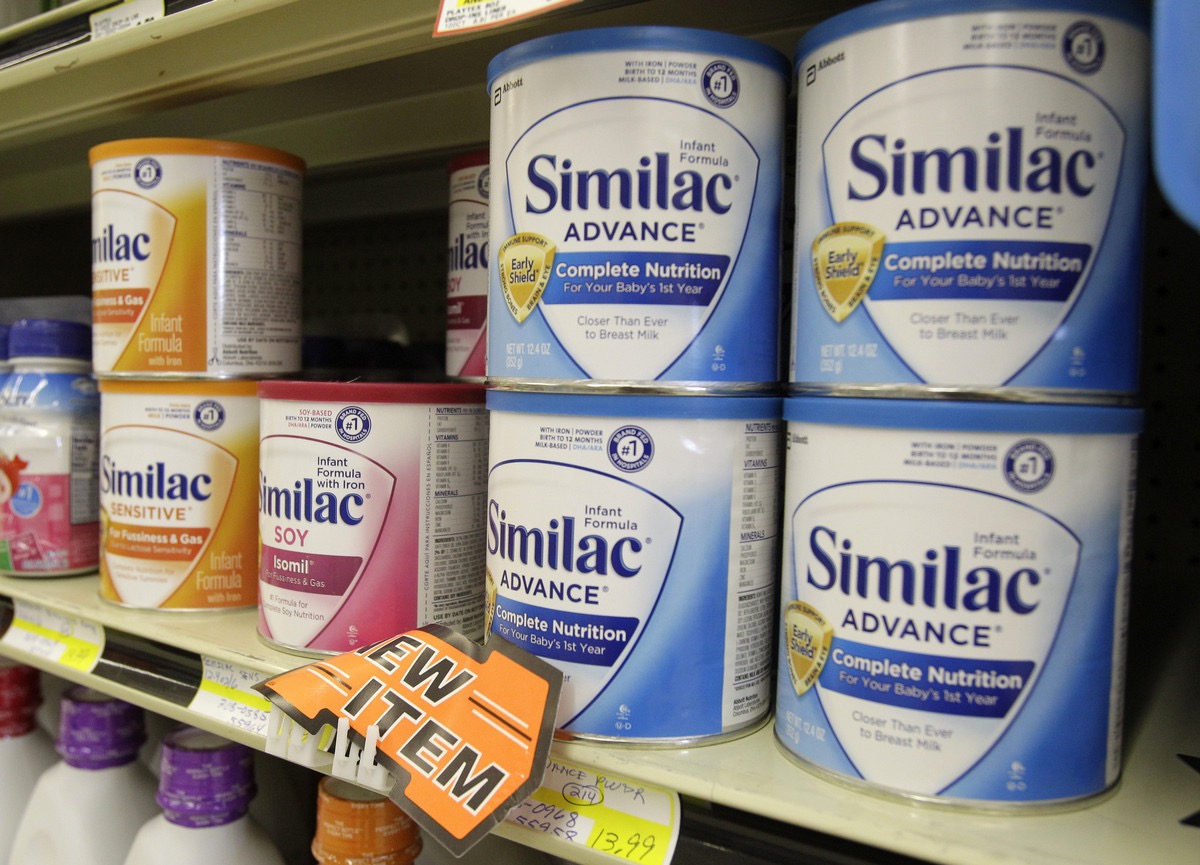
Retail store shelves faced widespread formula shortages following the temporary closure of the primary production facility.
Photo Credit: POLITICO/Website
The agreement marked the conclusion of the federal government's civil claims arising from the manufacturing allegations while FDA oversight of infant formula safety continued.
To add to or correct any information in this report, please contact me at victoria.o@lead4earth.org.
Thumbnail Photo Credit: WSJ/Website
0
0

Comments