(OPGOV GLOBAL) – A new mRNA-based influenza vaccine demonstrated stronger protection against seasonal flu than a standard-dose vaccine in adults age 50 and older, offering another vaccination option as health officials prepared for the 2026-27 flu season.
The vaccine, developed by Moderna, received approval from the U.S. Food and Drug Administration in August 2026. Known as MFLUSIVA, it became the first mRNA-based influenza vaccine approved in the United States and was authorized for adults aged 50 and older.
A Phase 3 clinical trial involving more than 40,000 adults found that MFLUSIVA provided 26.6% greater relative vaccine efficacy than a standard-dose influenza vaccine in preventing laboratory-confirmed influenza-like illness, according to the FDA's clinical review.
The results were particularly relevant to older adults, who face a higher risk of influenza-related complications, including pneumonia, hospitalization, and death. As people age, their immune systems generally become less effective at responding to infections and vaccinations, a process known as immunosenescence.
Deborah Fuller, a professor of microbiology at the University of Washington School of Medicine, discussed the vaccine's potential benefits in a UW Medicine report. Fuller said the mRNA technology could stimulate a broader immune response by producing antibodies that recognize additional parts of influenza viruses.
The vaccine used messenger RNA technology, similar to that used in COVID-19 vaccines. Rather than containing an inactivated influenza virus, MFLUSIVA delivered genetic instructions that directed cells to produce influenza proteins, prompting the immune system to recognize and respond to the virus.

Photo Credit: Website / Moderna/ WBFF / A pre-filled syringe displays Moderna's MFLUSIVA, the first FDA-approved mRNA influenza vaccine for adults age 50 and older.
The FDA also evaluated MFLUSIVA in adults aged 65 and older, a group for whom high-dose and adjuvanted influenza vaccines were already available. The agency granted accelerated approval for this age group based on immune-response data, with additional studies required to verify the vaccine's clinical benefits.
Clinical findings also showed that MFLUSIVA produced stronger immune responses against several influenza strains. However, the vaccine's effectiveness against individual strains could vary depending on which viruses circulated during a given flu season.
Clinical trials also evaluated the vaccine's safety. According to the FDA, commonly reported side effects included pain at the injection site, fatigue, headache, muscle aches, and joint pain. Most reactions were mild to moderate and temporary.
The approval came as federal health officials prepared for the 2026-27 influenza season. The Centers for Disease Control and Prevention updated the three components of the seasonal influenza vaccines to reflect changes in circulating viruses, including influenza A(H3N2).
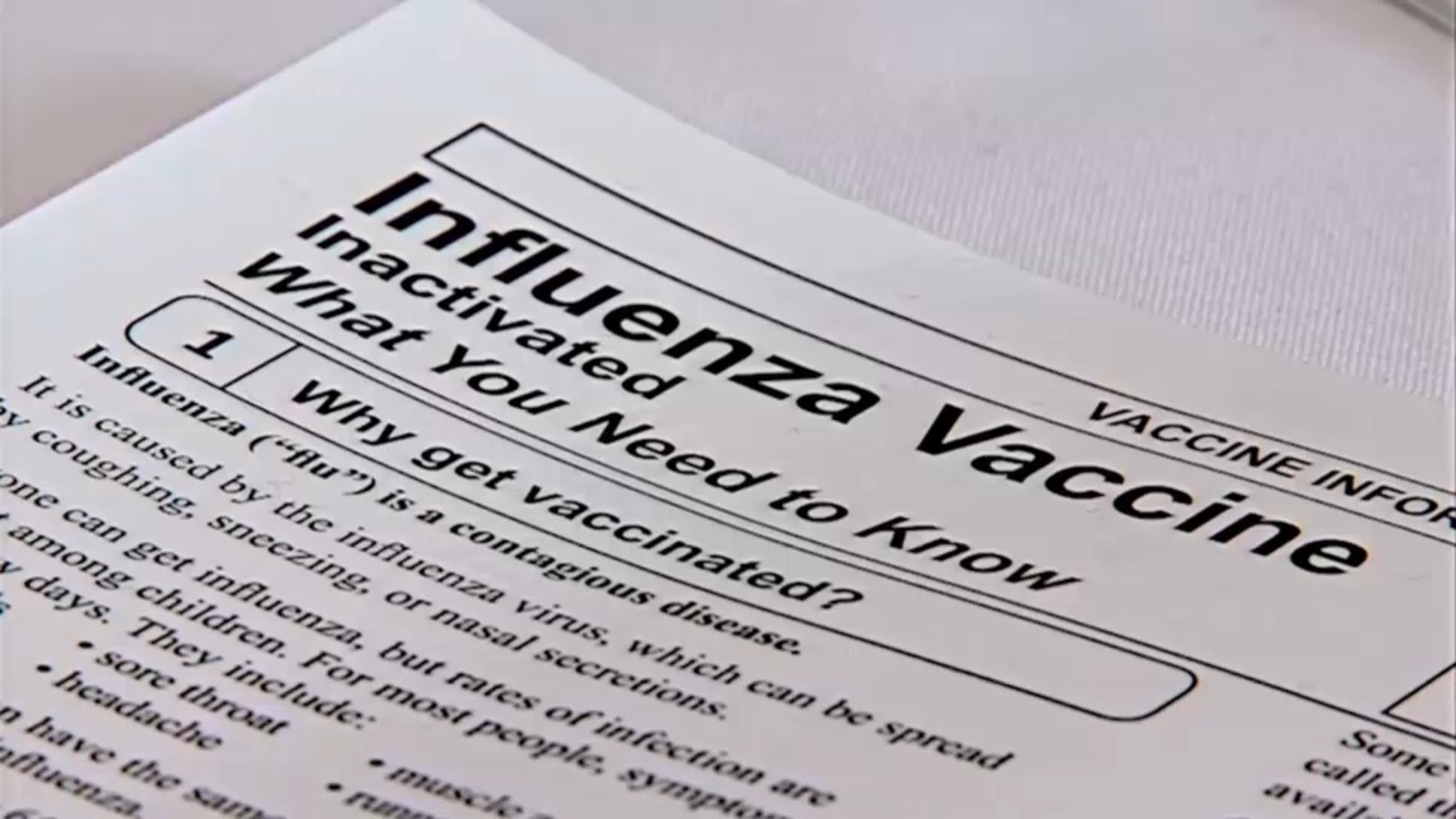
Photo Credit: Website / ABC7NY / A standard Vaccine Information Statement provides official patient guidance on seasonal influenza immunizations.
The CDC continued to recommend annual influenza vaccination for everyone age 6 months and older, with certain medical exceptions. For adults younger than 65, the agency did not preferentially recommend one age-appropriate influenza vaccine over another.
For adults age 65 and older, the CDC recommended high-dose, recombinant or adjuvanted influenza vaccines when available, reflecting the increased risk of severe illness in this population.
The development of new vaccines came amid broader efforts to improve the prevention, detection, and treatment of age-related health conditions. OpGov.News previously reported on the FDA's clearance of a blood test to help identify Alzheimer's disease, which examined another developing medical technology intended to support clinical decisions.
OpGov.News also examined the effects of environmental health risks in “Wildfire Smoke Became a Growing Public Health Concern,” which reviewed research linking fine particulate pollution to respiratory and cardiovascular illness.
MFLUSIVA added another option to existing influenza vaccines but did not replace annual vaccination recommendations. Health care providers and pharmacists could help adults determine which vaccine was appropriate based on age, medical history, and individual health considerations.
As influenza vaccines continued to evolve, researchers and public health officials evaluated how newer technologies could improve immune responses and reduce the risk of severe illness, particularly among populations more vulnerable to seasonal infections.

Photo Credit: Website / Ivy Ceballo / The Seattle Times, 2025 / The Seattle Times / A healthcare worker administers a seasonal flu shot during a community vaccination clinic.
To add to or correct any information in this report, please contact me at victoria.o@lead4earth.org.
Thumbnail Photo Credit: KFF Tracking Poll on Health Information and Trust (April 8-15, 2025) / KFF / A KFF survey chart depicts public opinion and safety perceptions regarding mRNA vaccine technology among adults age 50 and older.
0
0

Comments