(OPGOV GLOBAL) – A sliver of women’s healthcare may soon be available once again via Medicaid. While abortion providers like Planned Parenthood were axed entirely from Medicaid programs through Pres. Trump’s One Big Beautiful Bill Act, some services are set to be resumed, excluding some essential healthcare procedures.
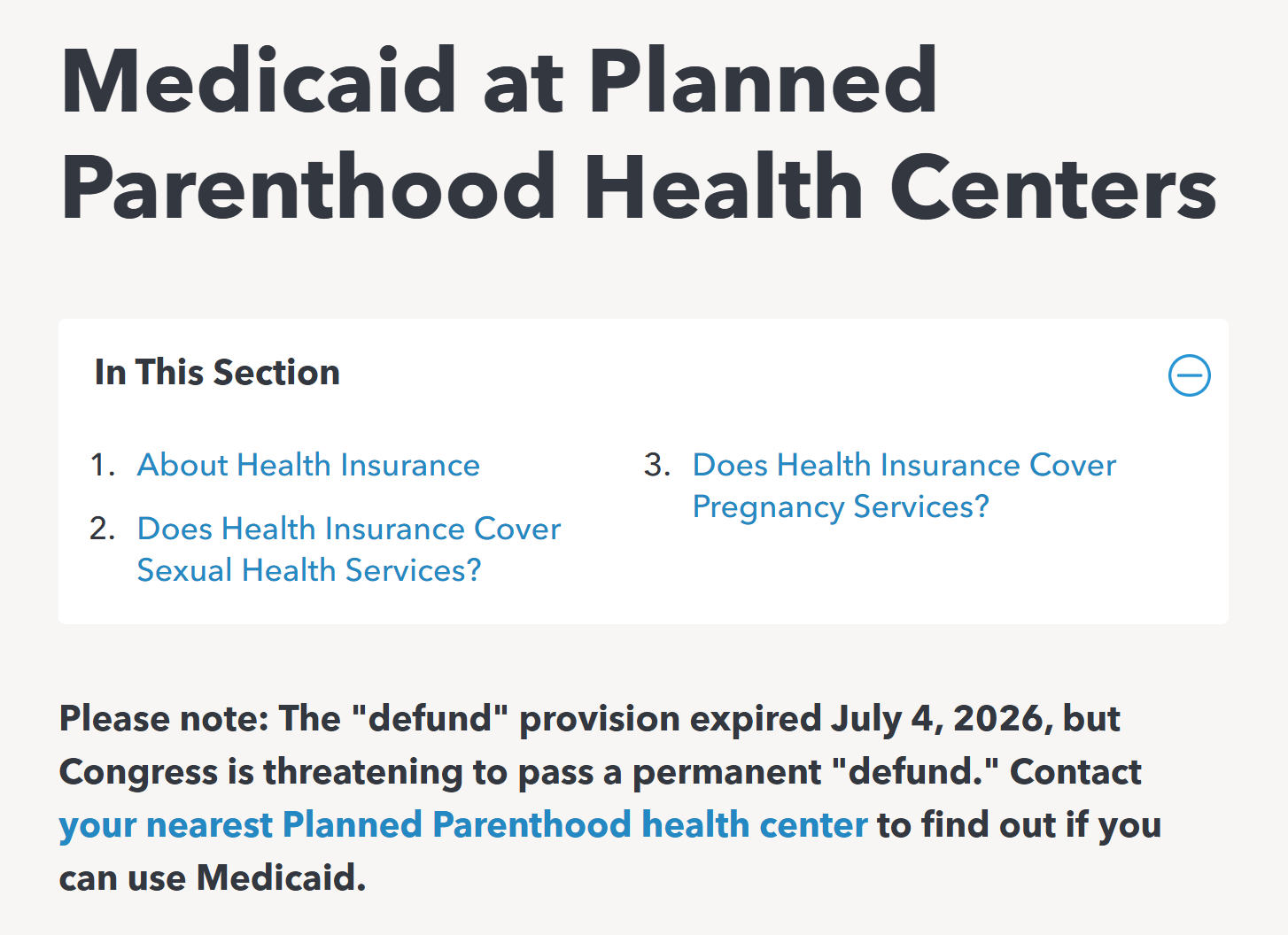
Photo Credit: Planned Parenthood
Other basic services, such as PAP smears, breast exams, well-woman exams, and pregnancy testing are once again available in some states, but not all of them. Alabama, Arizona, Arkansas, Florida, Iowa, Kansas, Louisiana, Mississippi, Missouri, Nebraska, Oklahoma, South Carolina, and Texas are all still blocking providers like Planned Parenthood from Medicaid coverage.
In 2025, the Big Beautiful Bill Act nerfed Medicaid and healthcare for millions of Americans who were already facing massive cost increases for their care. Demographics include children, struggling parents, aging seniors, and at-risk individuals.
Since then, providers for women’s healthcare have struggled to stay afloat without the funding they once relied on to bring accessible healthcare to their respective communities. Their hardship was set off by the overturning of Roe V. Wade in 2022, which immediately crippled women’s healthcare clinics financially.
Planned Parenthood had to shutter nearly two dozen of its facilities, while many others were forced to significantly reduce services offered. Without Medicaid support, costs rose well beyond what these demographics could afford for care.
The loss in healthcare overall after the Big Beautiful Bill passed led to a staggering 3.6% increase in hospital visits, further straining healthcare resources as more and more patients are seen without insurance that would normally cover the high costs associated with emergency medicine.
Even though basic healthcare needs, such as STI testing, breast exams, and prenatal care are back at localized levels, it could still take considerable time for the impact on emergency care to wane. With millions still uninsured well below the poverty line, that strain isn’t expected to ease until Americans have proper access to healthcare and health insurance once again.
To add to or correct any information in this report, please contact me at tracy.t@lead4earth.org.
0
0

Comments