(OPGOV GLOBAL) – A Florida surgeon performed prostate cancer surgery on a patient located 35 miles away, marking the first reported telerobotic operation between two U.S. hospitals, according to hospital officials.
Dr. Vipul Patel, founder and medical director of the Global Robotics Institute at AdventHealth Celebration near Orlando, performed the investigational robotic prostatectomy on Oct. 25. The 66-year-old patient, identified by his first name, Mark, was at AdventHealth Minneola while Patel operated remotely from another AdventHealth facility in Celebration.
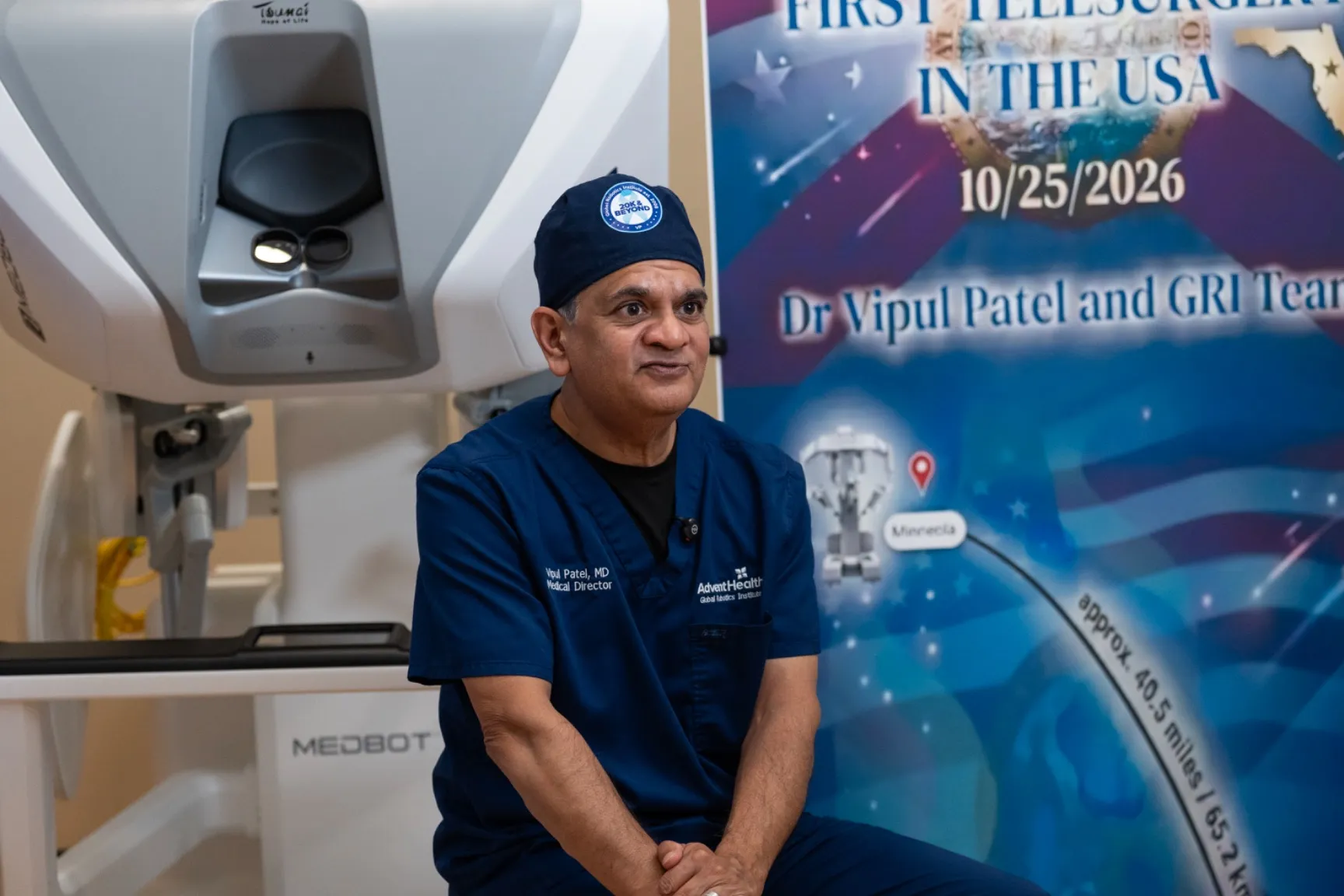
Photo Credit: AdventHealth / https://www.adventhealth.com/news / Dr. Vipul Patel, medical director of AdventHealth's Global Robotics Institute, led the investigational robotic prostatectomy performed remotely between two Florida hospitals.
The procedure was conducted as part of a clinical research study evaluating a robotic telesurgery system. A surgical team remained with the patient, with co-principal investigator Dr. Marcio Moschovas providing on-site support during the operation.
According to AdventHealth’s announcement, the study is evaluating whether remote robotic surgery can safely and reliably connect surgeons with patients across distances.
The patient was reported to be recovering well following the procedure.
Telerobotic surgery lets a surgeon control robotic instruments from a separate location rather than standing beside the patient.
The technology could eventually help connect patients in rural or underserved areas with specialists who may not practice nearby.
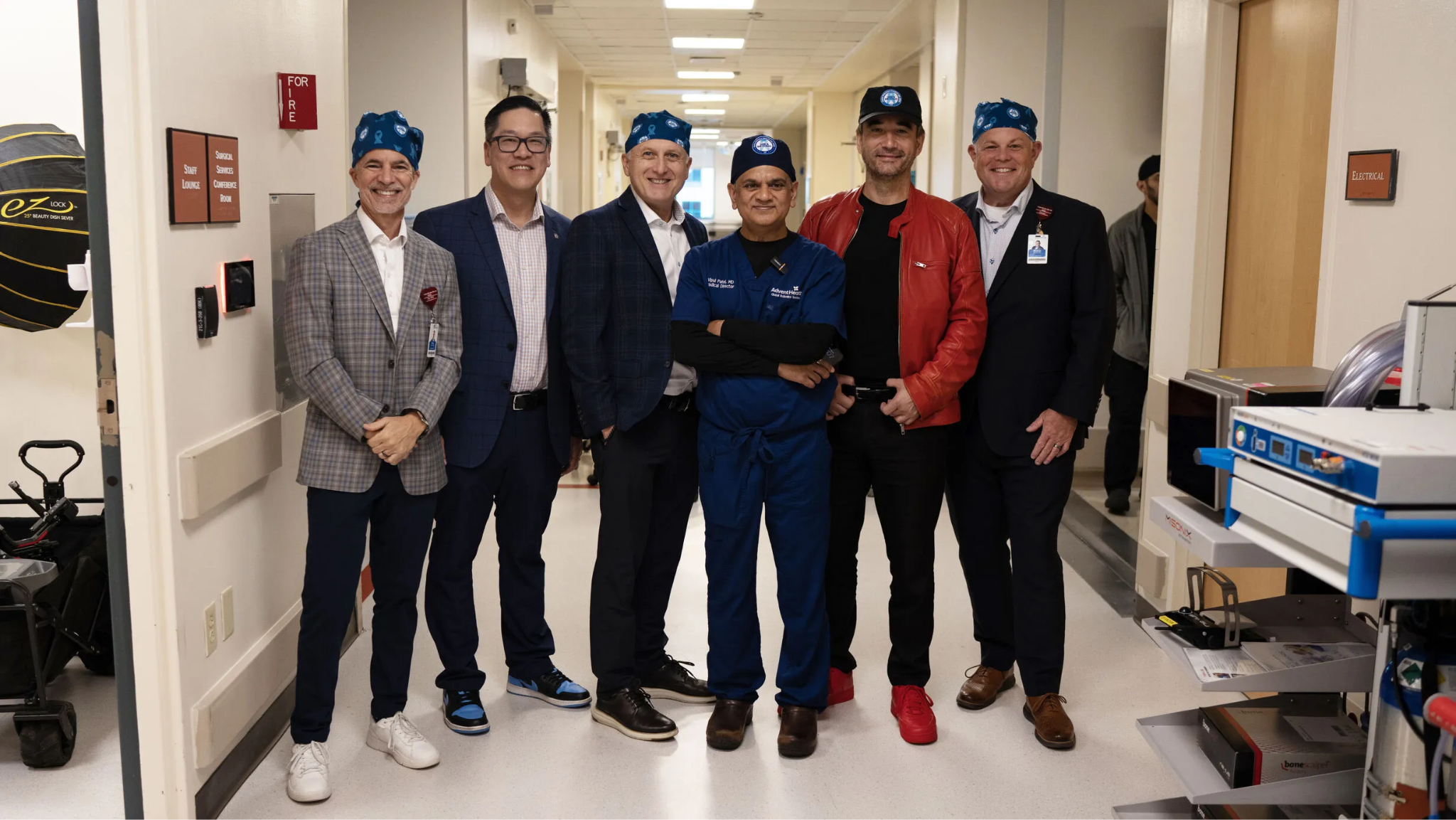
Photo Credit: AdventHealth / https://www.adventhealth.com/news / Members of the medical team supporting AdventHealth's robotic telesurgery research, which relies on coordination between the remote surgeon and staff at the patient's bedside.
However, the Florida procedure remains investigational. It was performed under a U.S. Food and Drug Administration-approved Investigational Device Exemption, which permits a medical device to be studied in a clinical trial. That authorization does not mean the system has received FDA approval or clearance for general clinical use.
The Florida operation followed 10 investigational telesurgeries connecting Orlando and Luanda, Angola, according to AdventHealth. The new procedure extended the research into two U.S. hospital locations.
The potential benefits include reducing geographic barriers to specialized care, particularly for patients who face long travel times or limited access to experienced surgeons. Remote surgery could also help medical institutions share expertise across regions.
But the technology introduces risks beyond those associated with conventional surgery. Prostate removal can involve complications such as bleeding, infection, urinary incontinence, and erectile dysfunction. Remote robotic surgery adds concerns about connectivity interruptions, equipment failure, and cybersecurity.
AdventHealth said the study includes assessments of surgical outcomes, network performance, cybersecurity, backup systems, and procedures for responding to technical problems. A trained surgical team at the patient’s location can intervene if necessary.
The FDA explains that investigational device studies are intended to gather evidence about a device’s safety and effectiveness. Its guidance on Investigational Device Exemptions outlines requirements that can include informed consent, study monitoring, and institutional review.
The agency also notes that robotic surgical systems require appropriate training and oversight. Its overview of computer-assisted surgical systems explains how these devices allow physicians to control instruments through computer and software technology. The systems do not independently perform surgery without direct human control in the conventional robotic-assisted applications described by the FDA.
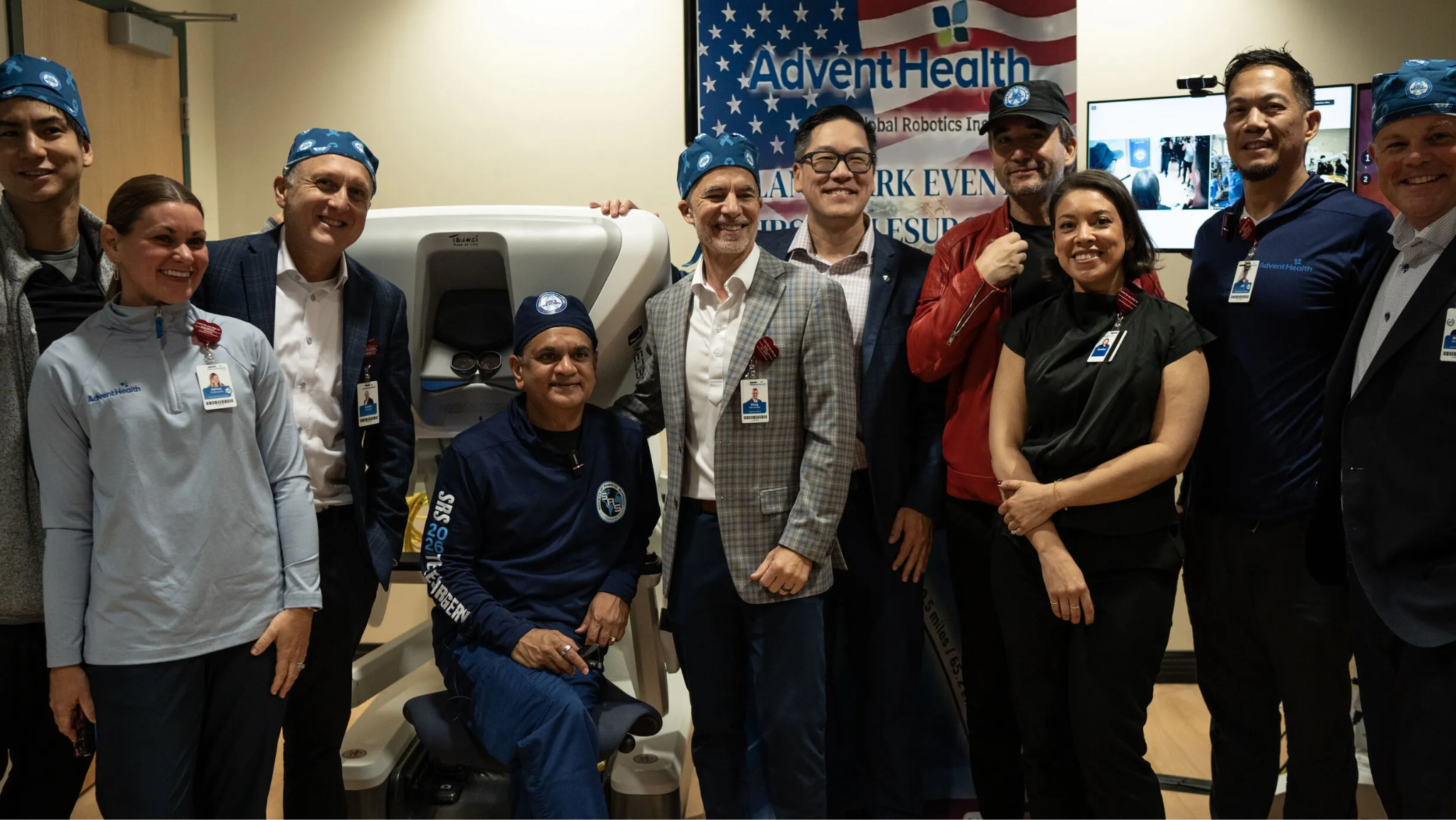
Photo Credit: AdventHealth / https://www.adventhealth.com/news / AdventHealth team members gather around the robotic surgical system being evaluated for remote operations, with researchers studying its reliability, safeguards, and potential role in expanding access to specialized care.
The development comes as healthcare providers explore how technology could improve treatment access and efficiency. OpGov.News has previously examined how AI tools are expanding in medical billing as Americans face growing medical debt, highlighting broader questions about how technological change affects patients navigating the healthcare system.
Other medical advances also depend on how quickly treatments become available and whether patients can access them. OpGov.News’ report on U.S. cancer drug development and global innovation explored the regulatory and access challenges surrounding new therapies.
For telesurgery, the next steps will depend on further evidence about safety, reliability, and performance in clinical settings. A successful investigational operation is an important research milestone, but it does not establish that remote surgery is appropriate for every patient or procedure.
As clinical studies continue, researchers and regulators will need to assess whether remote robotic systems can consistently deliver safe care while maintaining reliable backup procedures and protecting connected medical technology.
For more information or to share a relevant community health issue, contact victoria.o@lead4earth.org.
Thumbnail Photo Credit: AdventHealth / https://www.adventhealth.com/news / A surgeon uses a robotic console during research into telesurgery, which could allow specialists to perform procedures while physically separated from patients.
0
0

Comments