(OPGOV GLOBAL) – Artificial intelligence is playing a growing role in medical billing and debt collection in the United States, as new research shows that medical debt remains common among insured and uninsured households and insurers raise concerns about AI-assisted billing practices.
The technology is being used to document medical visits, suggest billing codes, answer patients’ questions about balances, and help healthcare providers determine how to approach unpaid bills. Supporters say these systems can reduce administrative work and help patients find payment options, while critics warn that automated billing tools could contribute to higher costs or make collection practices less transparent.
A report published Oct. 6 by the Robert Wood Johnson Foundation, based on research by the Urban Institute, found that 27% of U.S. adults reported that they or a family member had medical debt in December 2025. That included 26% of adults with health insurance and 35% of uninsured adults.
The report also found that 54% of adults with medical debt said their families owed at least $1,000, while 16% reported debts of $5,000 or more. More than one-third of adults with medical debt said they or a family member had been contacted by a collection agency about unpaid medical bills during the previous year.
The findings illustrate how healthcare expenses can create financial pressure even for people who have insurance. Deductibles, copayments, and other out-of-pocket costs can leave patients responsible for substantial balances after receiving care.
The full findings are available in the Robert Wood Johnson Foundation’s report on medical debt among U.S. families.
Artificial intelligence is increasingly being applied to several parts of the billing process. Some systems convert conversations between healthcare professionals and patients into clinical notes, while other tools analyze those notes and electronic health records to suggest diagnostic codes used to determine reimbursement.
AI-powered billing platforms also use automated messages and chatbots to communicate with patients about outstanding balances, insurance questions, and payment arrangements.
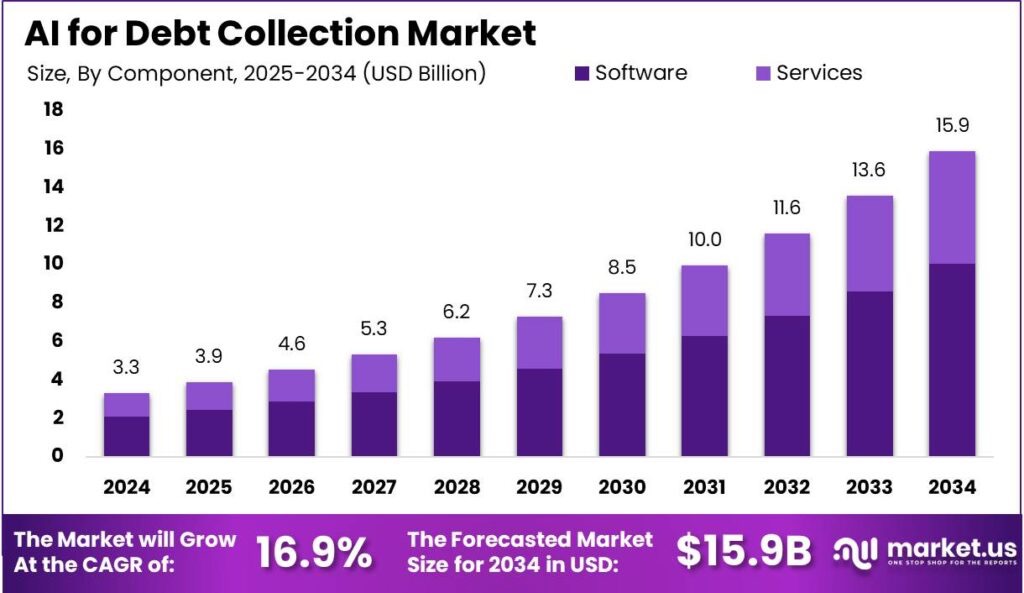
Photo Credit: Market.us / Website / Market.us projected the global AI debt collection market would grow from $3.3 billion in 2024 to $15.9 billion by 2034, representing a projected compound annual growth rate of 16.9%.
Cedar, a company specializing in patient financial engagement, offers its Kora platform to automate billing conversations through voice and text. According to the company’s description of the platform, its tools can help patients navigate billing questions and financial assistance options while allowing healthcare organizations to automate routine interactions.
The company says its system can handle certain billing calls without transferring patients to a live representative. However, company-reported performance figures do not independently establish whether automated billing tools improve affordability or produce better outcomes for patients facing financial hardship.
AI-assisted medical coding has also attracted scrutiny from health insurers. In a Sept. 24 analysis, the Blue Cross Blue Shield Association estimated that changes in hospital coding for more complex conditions were associated with $942 million in additional spending for its member insurers between 2023 and 2025.
The association said its analysis found that more patients were being placed in higher-cost billing categories even though its data did not show corresponding changes in the care delivered. It also reported that more than 60% of hospital systems were using AI-enabled technologies that can analyze laboratory results, clinical notes and electronic health records to identify additional diagnoses.
The insurer association argued that these changes could affect premiums and out-of-pocket expenses for families, employers and taxpayers. Its findings are available in the association’s analysis of AI coding tools and healthcare costs.
The findings do not, by themselves, establish that AI caused every increase in billing or that hospitals improperly coded individual patients. The American Hospital Association has disputed conclusions that coding trends alone demonstrate inaccurate billing or inappropriate spending, arguing that the available analyses do not prove AI tools are driving improper charges.
The disagreement reflects a broader conflict between insurers and healthcare providers over reimbursement, documentation, and the factors contributing to rising medical costs. AI tools may identify conditions that were previously underdocumented, but questions remain about how consistently those diagnoses reflect a patient’s actual condition and treatment.
The technology is also being used on the collection side of the process. AI systems can help companies estimate whether a patient is likely to pay a balance, determine which payment options to offer, and prioritize communications about overdue accounts.
These functions could help patients identify financial assistance or payment plans. However, systems that use personal or financial information to tailor collection strategies also raise questions about transparency, fairness, and whether patients understand how decisions about their accounts are made.
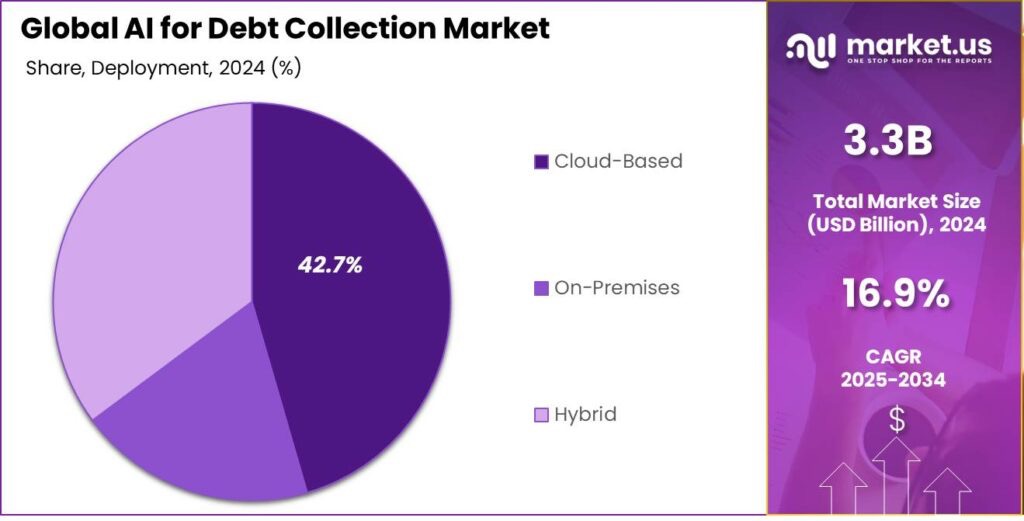
Photo Credit: Market.us / Website / Cloud-based systems accounted for 42.7% of the global AI debt collection market by deployment in 2024, according to Market.us.
The expansion of automated billing comes as policymakers and healthcare organizations face continuing concerns about insurance affordability. The KFF analysis of federal health policy changes and projected insurance coverage losses outlines how changes to Medicaid and Affordable Care Act marketplace coverage could increase the number of people without insurance in coming years. Coverage changes and higher out-of-pocket expenses could place additional financial pressure on households, although the precise effect on medical debt will depend on how those changes unfold.
For patients, understanding a medical bill remains important regardless of whether AI was involved in preparing it. Patients can request an itemized bill, compare charges with explanations of benefits from their insurers, and ask healthcare providers to explain unfamiliar codes or charges. They can also ask about financial assistance, payment plans, and procedures for disputing a bill.
OpGov.News has previously reported on healthcare safety and consumer concerns, including a recall of blood pressure medication after tablets failed dissolution testing and changes in flu activity as H1N1 dominated early U.S. cases. While those stories concern different issues, they illustrate the importance of clear public information when healthcare decisions affect patients and families.
As AI becomes more integrated into medical administration, its impact will depend not only on whether it makes billing and collections more efficient, but also on whether its use is accurate, understandable, and fair to patients. The available research raises concerns about billing trends, but further evidence is needed to determine the extent to which AI itself contributes to inappropriate charges or changes in medical debt.
To add to or correct any information in this report, please contact me at victoria.o@lead4earth.org.
Thumbnail Photo Credit: Cedar / Website / Cedar’s Kora platform uses AI-powered voice and text agents to help healthcare organizations manage patient billing questions, explain balances, and communicate payment options.
0
0

Comments