(OPGOV GLOBAL) – More than 13,000 bottles of a prescription medication used to treat high blood pressure were recalled nationwide in September after the tablets failed dissolution specifications, marking the second recall involving the same medication and manufacturer in 2026.
Inventia Healthcare Limited voluntarily recalled 13,567 bottles of Chlorthalidone Tablets, USP, 25 mg, on September 3. The U.S. Food and Drug Administration classified the recall as Class II on September 17. The affected medication was packaged in 100-count bottles and distributed nationwide.
The recall involved RISA24002, National Drug Code 64980-599-01, and an expiration date of April 2027. The tablets were manufactured by Inventia Healthcare Limited and distributed in the United States by Rising Pharma Holdings Inc.
The recall was initiated because the tablets failed dissolution specifications, a quality test used to determine how a drug releases its active ingredient. The FDA's guidance on dissolution testing explains that dissolution testing is used to evaluate drug release from immediate-release solid oral dosage forms and can help establish specifications intended to support consistent drug quality and performance.
Dissolution testing is important because an oral tablet must release its active ingredient in a predictable manner for the medication to perform as intended. The FDA explains that dissolution testing evaluates factors affecting the rate and extent of drug release from a finished dosage form and can be used to help ensure consistent quality and performance between batches.
A failure to meet a dissolution specification does not by itself establish that every tablet will cause harm. Instead, it indicates that the affected product or batch did not meet an established quality specification. The specific consequences can depend on the medication, the nature of the failure, and how the product performs outside the established specification.
For chlorthalidone, the issue is relevant because the medication is prescribed to help manage conditions that generally require consistent treatment.
According to Mayo Clinic's information on chlorthalidone, chlorthalidone is a diuretic, commonly called a water pill, that is used alone or with other medicines to treat high blood pressure. It is also used to treat fluid retention associated with conditions including congestive heart failure, severe liver disease, and kidney disease.
The medication works by increasing urine production, which reduces the amount of water in the body and helps lower blood pressure. Mayo Clinic notes that controlling high blood pressure can reduce the likelihood of complications involving the heart, brain, and kidneys.
High blood pressure can also be difficult for patients to recognize because it frequently does not produce noticeable symptoms. That makes medication adherence and appropriate monitoring important parts of treatment for people who have been prescribed blood pressure medication.
The September recall did not involve every chlorthalidone product available in the United States. It applied specifically to the identified lot of 25 mg tablets manufactured by Inventia Healthcare.
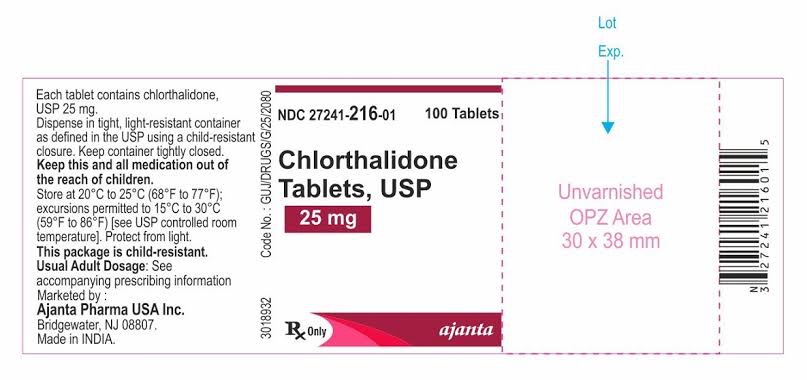
Photo Credit: U.S. Food and Drug Administration / DailyMed / Sample 25 mg chlorthalidone bottle label illustrating the designated area for printed lot and expiration information.
The FDA's Class II designation also provides context for the recall. The classification is used for situations in which use of or exposure to a recalled product may cause temporary or medically reversible adverse health consequences, or when the probability of serious adverse health consequences is considered remote.
The latest recall followed an earlier Inventia Healthcare recall involving chlorthalidone tablets in June. That recall involved 11,460 bottles of 25 mg tablets and was also associated with failed dissolution specifications.
The June recall involved additional lots, including RISA24001 and RISB24002, with products packaged in different bottle sizes. The affected products also carried an expiration date of April 2027.
Together, the two recalls involved more than 25,000 bottles of chlorthalidone products manufactured by Inventia Healthcare during 2026. The recalls involved specific lots rather than all chlorthalidone medications.
The repeated recalls also illustrate the role that pharmaceutical quality testing plays after medications enter the distribution system. The FDA's broader dissolution-testing resources explain that dissolution specifications can be used for quality control and to help ensure consistency between manufactured batches.
The agency also notes that dissolution methods are designed to distinguish between acceptable and unacceptable batches and that dissolution characteristics should be monitored throughout a drug product's lifecycle.
For patients, the distinction between a specific recalled lot and an entire medication is important. A person taking chlorthalidone may not have received medication included in either Inventia Healthcare recall. Patients can compare the lot number, product information, and expiration date on their prescription bottle with the identifying information associated with the recalled products.
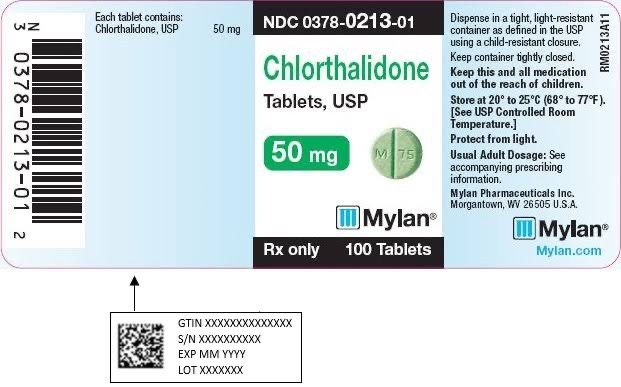
Photo Credit: U.S. Food and Drug Administration / DailyMed / Diagram of a prescription bottle label showing where the NDC, lot number, and expiration date are positioned.
Patients who discover that they have an affected product can contact their pharmacist or health care provider for instructions about obtaining a replacement medication. Patients should not independently change or stop a prescribed medication because of a recall without discussing the situation with a health care professional.
The issue also fits into a broader pattern of OpGov.News reporting on health and consumer safety. In “New mRNA Flu Vaccine Showed Stronger Protection for Adults 50 and Older,” OpGov.News examined the FDA approval of an mRNA-based influenza vaccine and its reported protection for older adults.
OpGov.News previously reported on another type of consumer health risk in “Baby Food and Formula Recalls Continued Into 2026,” which examined multiple recalls involving infant food and formula products during 2026.
OpGov.News has also examined broader environmental and public-health risks in “Wildfire Smoke Became a Growing Public Health Concern,” including research into the health effects associated with exposure to fine particulate matter.
The chlorthalidone recalls demonstrate how pharmaceutical quality concerns can lead to targeted recalls even when the issue involves a specific manufacturing specification rather than contamination. In this case, the identified concern involved dissolution testing and affected specific lots of the medication.
Consumers taking chlorthalidone can review their prescription information and consult their pharmacist or health care provider if they have questions about whether their medication is affected. The FDA maintains recall and drug-safety information that can be used by consumers and health care professionals to identify recalled products.
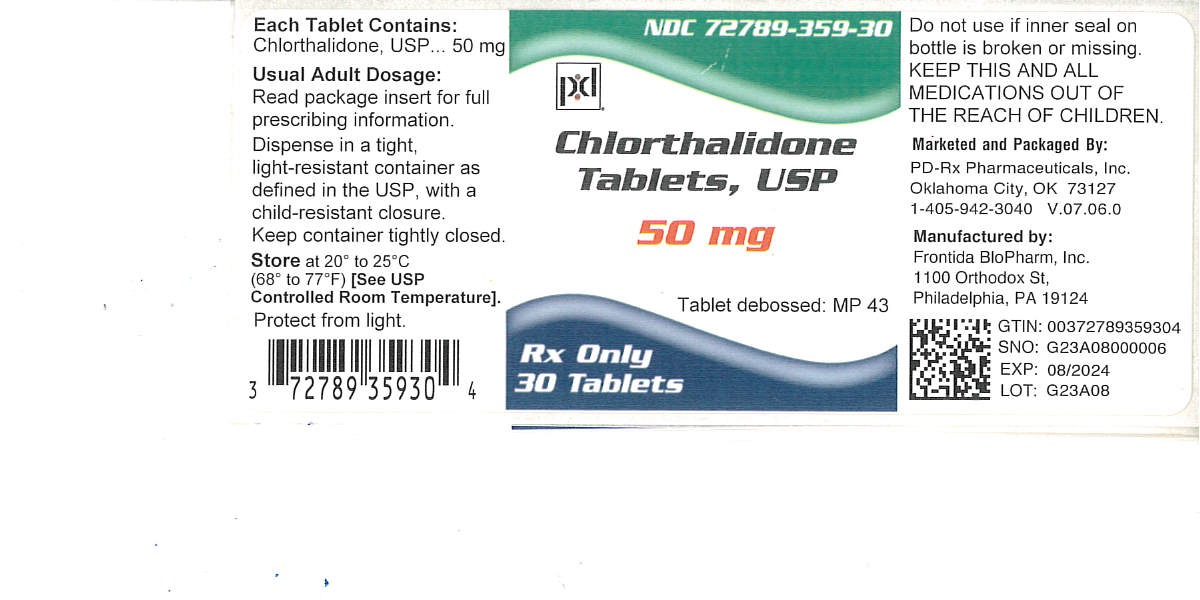
Photo Credit: U.S. Food and Drug Administration / DailyMed / Example prescription label snippet displaying explicit lot number and expiration date formatting.
To add to or correct any information in this report, please contact me at victoria.o@lead4earth.org.
Thumbnail Photo Credit: Inventia Healthcare Limited / inventia.com / Homepage of Inventia Healthcare Limited, the Mumbai-based pharmaceutical manufacturer of the recalled chlorthalidone tablets.
0
0

Comments