(GLOBAL) - The risk of contracting the Hantavirus remains low, according to the Centers for Disease Control and Prevention (CDC).
OpGov.News wants to provide an update regarding the Hantavirus and inform its readers of the most important information. This story is intended to provide important information only. Reporters from OpGov.News has covered outbreak-related stories in the past.
The CDC defines the Hantavirus as a family of viruses that can cause serious illnesses and death and can be spread by rodents.
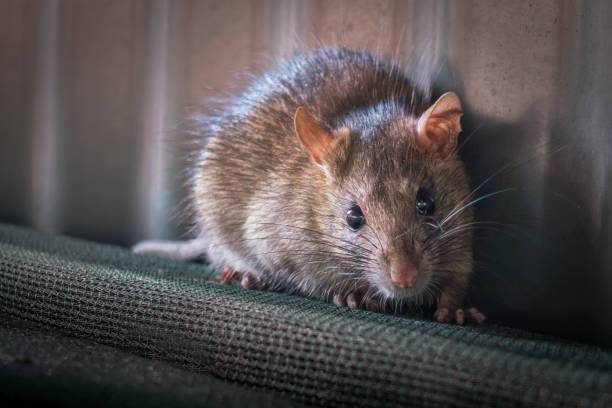
Photo Credit: iStock
“People can get hantavirus from contact with rodents like rats and mice, especially when exposed to their urine, droppings, and saliva,” the CDC website states. “It can also spread through a bite or scratch by a rodent, but this is rare.”
The World Health Organization (WHO) provides details on how Hantavirus impacts individuals in other countries.
“In East Asia, particularly China and the Republic of Korea, HFRS continues to account for many thousands of cases annually, although incidence has declined in recent decades,” according to WHO.
WHO added that in Europe, several thousand cases are reported each year, mainly from northern and central regions where the Puumala virus circulates. In the Americas, HCPS is much rarer, with hundreds of cases reported each year across the continent.
Hantavirus cases have been reported through press releases.
According to WHO, eight cases (six confirmed and two probable cases), including three deaths (among two confirmed and one probable case), were reported on the Hondius Cruise Ship. All six cases have been confirmed as infected with the Andes virus, a species of hantavirus with documented person‑to‑person transmission following prolonged close contact.
The CDC provided a statement regarding the passengers who contracted the virus.
“The Administration is closely monitoring the situation with U.S. travelers onboard the M/V Hondius cruise ship with confirmed hantavirus,” the CDC website states. “ Our top priority remains the health and safety of all U.S. passengers. The Department of State is leading a coordinated, whole-of-government response including direct contact with passengers, diplomatic coordination, and engagement with domestic and international health authorities.”
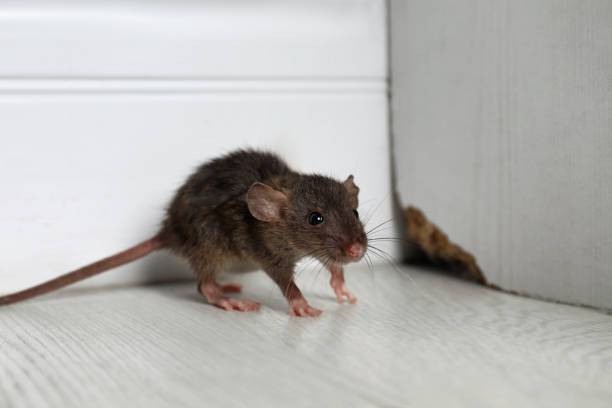
Photo Credit: iStock
The CDC added, “As the world's leader in global health security, the US government is using our premier health experts to guide our response to this evolving situation. We are working closely with our international partners to provide technical assistance and guidance to mitigate risk.”
Hantavirus first appeared during the Korean War (1951-1953), with over 3,000 UN troops falling ill according to the CDC. Initial cases affected thousands of United Nations troops stationed along the Hantan River.
Currently, there is no cure for the Hantavirus. Symptoms include fever, headache, muscle ache, stomach pain, nausea, and vomiting.
To stay safe, the CDC recommends people clean up after mice or rats and avoid contact with rodent urine, droppings, saliva, and nesting materials.
“Rodent control is the primary strategy for preventing hantavirus pulmonary syndrome (HPS), a disease caused by infection with certain hantaviruses,” the CDC website states. “Wild rodents near human populations should be controlled and excluded from homes.”
OpGov.News will continue to cover the topic and provide updated information over time.
If you have any questions, comments, or concerns, please contact jorden.h@lead4earth.org.
2
0

Comments