(MAUI, HI.) – The battle for affordable housing on Maui has stretched across decades, intertwined with the controversial development plans for Wailea 670 — now known as Honuaʻula.
Though the name has changed over time, the core proposal has remained the same: to develop 670 acres of land in South Maui. The property sits mauka of Piʻilani Highway, directly south of the Maui Meadows subdivision and north of the high-end Makena resort area. Across the highway lies the luxury resort community of Wailea.
For years, the land has remained largely untouched as developers repeatedly encountered permit complications, the presence of cultural and historical sites, and persistent community opposition.
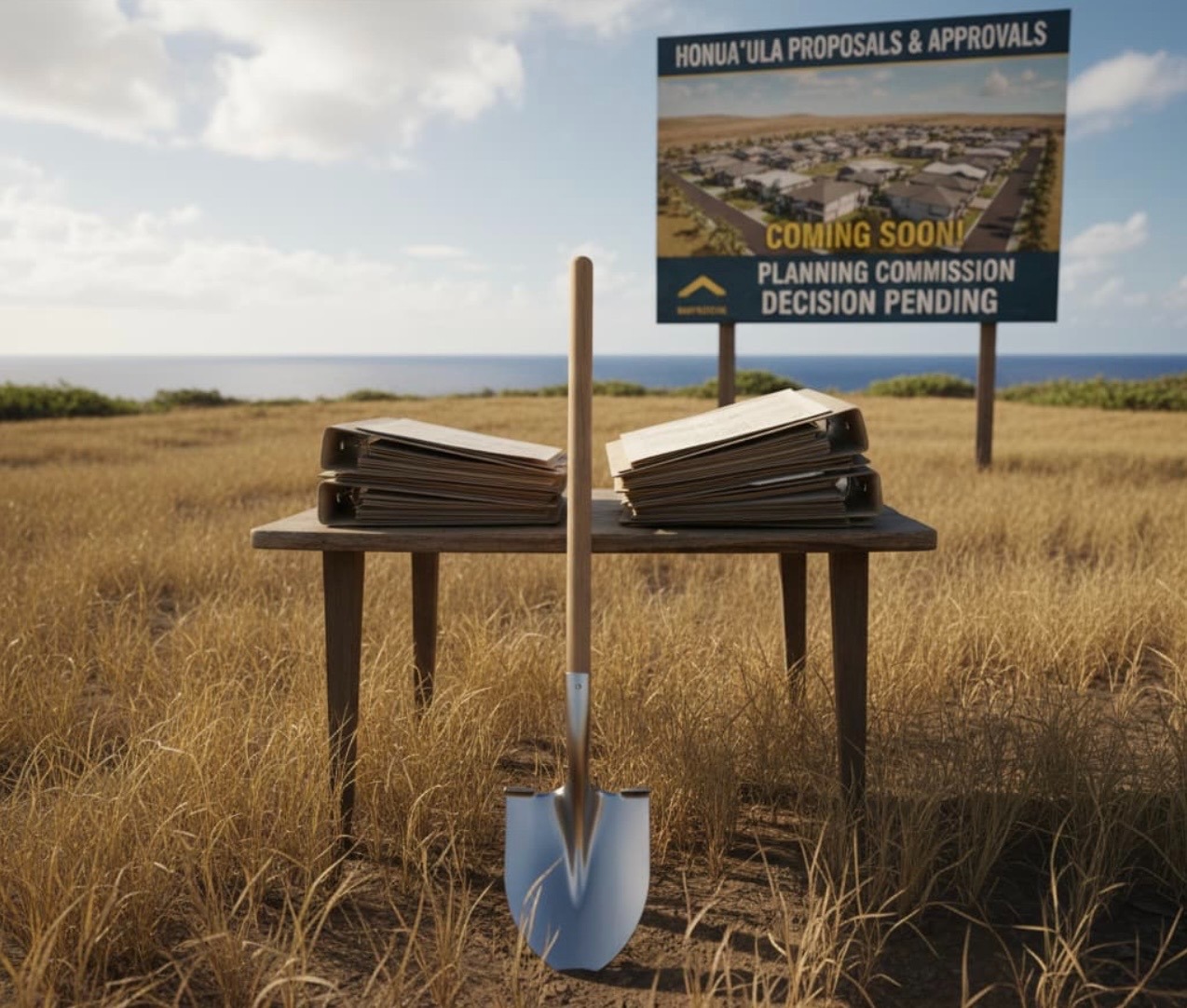
Photo Credit: The Sayles Team
What began as a project marketed as community-centered — featuring mixed-income housing, public amenities, a school, and parks — gradually shifted in focus. Over time, critics argue, the development became increasingly oriented toward luxury real estate, targeting wealthy mainland buyers seeking second or third homes.
Many local residents have opposed the project from the start, concerned that its priorities no longer reflect the needs of Maui’s working families.
Developers and government officials once promoted the plan as a meaningful solution to the island’s housing shortage. In 2008, late Councilmember Danny Mateo defended the project’s original approval, emphasizing its affordable housing component.
“Seven hundred affordable units is nothing to sneeze at. I don’t remember the last time one developer helped to create this many affordable units. And yes, it is a long-term build out. But nonetheless, we will be getting initial upfront and there’s 450 affordable units that will be provided within the development project itself,” Mateo said. “…If by allowing 700 market units to be built that will provide for the 700 affordables, then I’m willing to give it that chance.”
At the time, the promise of hundreds of affordable units helped justify the approval of market-rate development. However, the project has since been revised.
The Maui County Council approved a reduction of on-site affordable units from 450 to 288 — a significant decrease from what was originally presented to the public.
To critics, this shift represents a familiar pattern: projects introduced as community-focused developments gradually evolving into luxury-driven ventures. Plans that once highlighted workforce housing and public amenities now appear increasingly aligned with high-end resorts, upscale restaurants, and expanded recreational spaces catering to affluent visitors and second-home buyers.
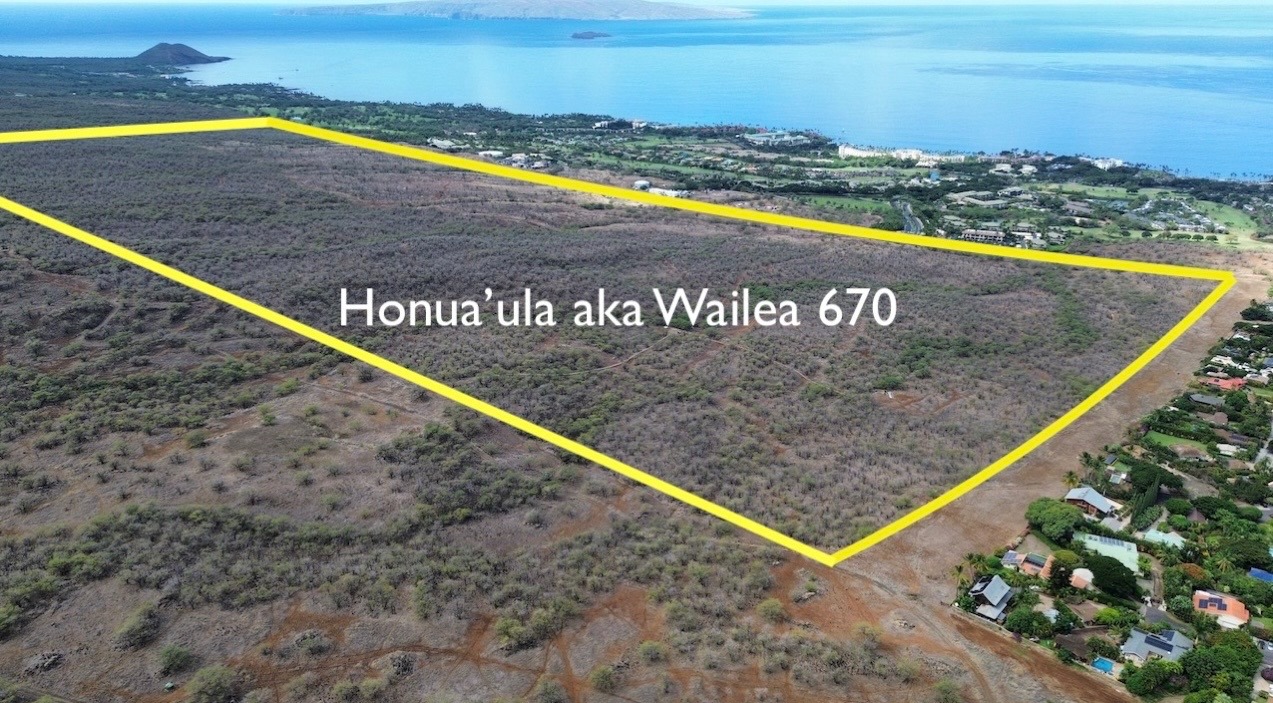
Photo Credit: The Sayles Team
Supporters of Honuaʻula argue that any increase in housing supply should be welcomed, particularly as Maui faces an escalating housing crisis. Since the Lahaina fires on Aug. 8, 2023, the demand for housing has intensified, placing additional pressure on an already strained market.
But opponents question whether this development meaningfully addresses that crisis. They argue that reducing affordable housing commitments while expanding luxury offerings does little to stabilize local families who are struggling to remain on the island.
As Honuaʻula moves forward, the debate continues: Is this the long-promised solution to Maui’s housing challenges, or another example of affordable housing commitments shrinking as profits grow?
To add to or correct any information in this report, please contact me at allyson.w@lead4earth.org
0
3

Comments