(MAUI COUNTY, HI.) -- Nearly three years after the devastating August 8, 2023, wildfires, Lahaina residents are still struggling with displacement and slow recovery. At the Maui County Council meeting on February 7, 2026, the ongoing housing crisis was a central concern, with residents and council members alike pressing for faster action. Many community members emphasized that recovery has been painfully slow, leaving families without stable homes and facing mounting financial, emotional, and social stress.
One key development was the passage of Bill 15 on second and final reading, amending Chapter 16.25 of the Maui County Code. The measure now requires factory-built homes in the Lahaina burn zone to be manufactured within Hawaii and inspected by county-authorized personnel rather than third-party contractors. The amendment addresses prior concerns about contractor fraud, delays, and substandard inspections, ensuring homes are built safely, efficiently, and locally, while also strengthening trust in the recovery process.
“Current recovery options are insufficient for Lahaina families, who are struggling with doubled living costs, mortgages on destroyed properties, and ‘literally dying’ from prolonged stress and displacement,” says Maria Lins, a Lahaina resident. “Factory-built homes offer a viable, permanent solution that can be built in weeks, not years, lowering costs and addressing the critical time element. These homes are a lifeline for families who have already waited far too long.”
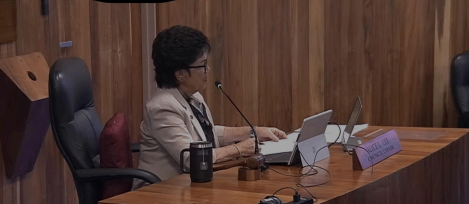
Photo Credit: Youtube/County of Maui
Administrative delays were a recurring theme throughout the meeting. Councilmember Gabe Johnson highlighted a missing letter holding up $10 million in funding for the Kula Agriculture Park and a year-long wait for a grant agreement amendment for affordable housing projects.
Johnson stressed that these bureaucratic holdups significantly hinder project implementation and urged more efficient processing to make funding available as quickly as possible to communities in need.
Bill 23 was also discussed, urging the Planning Department to retain the word “require” in the South Maui Community Plan regarding infrastructure. The measure is intended to ensure that new development does not proceed without adequate roads, water, and other essential services. This aligns with broader FY2026 budget amendments addressing housing, grants, and infrastructure improvements across the county, reflecting a broader effort to balance growth with necessary planning.
Community stakeholders voiced support for recovery measures. Akiko Bukowski, representing Plumbers and Pipefitters Local 675, emphasized collaboration with local vendors and maintaining building standards. “My goal is to meet the needs of those affected in West Maui while protecting public health and safety and building locally sourced, safe, and resilient communities,” Bukowski shares.
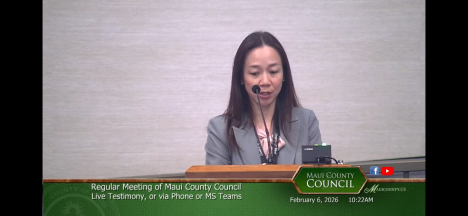
Photo Credit: Youtube/County of Maui
Outside of recovery and housing discussions, the council also recognized the Kamehameha Schools Maui football team for winning the 2025 Division II State Championship. While the recognition was celebrated, some residents and council members expressed frustration that the ceremonial portion of the meeting took time away from pressing topics like housing, infrastructure, and recovery funding.
Overall, the February 7 meeting highlighted the tension between urgent recovery needs and slow administrative processes. As Lahaina families continue to wait for stable housing solutions, council members face mounting pressure to streamline approvals, ensure timely access to funds, and prioritize rebuilding efforts across Maui County, addressing both immediate needs and long-term community resilience.
To add to or correct information in this report, please reach out to me at allyson.w@lead4earth.org or leave a comment with your thoughts below.
0
0

Comments