(SAN RAMON, CA) —- More than 65% of political races across America are going unopposed.
Overall, 70% of Republican general election wins were in uncontested races, 53% for Democrats.
In 2025, 46 out of 50 states had open seats on the ballot, with most seats up for election at the local level, according to research from BallotReady.
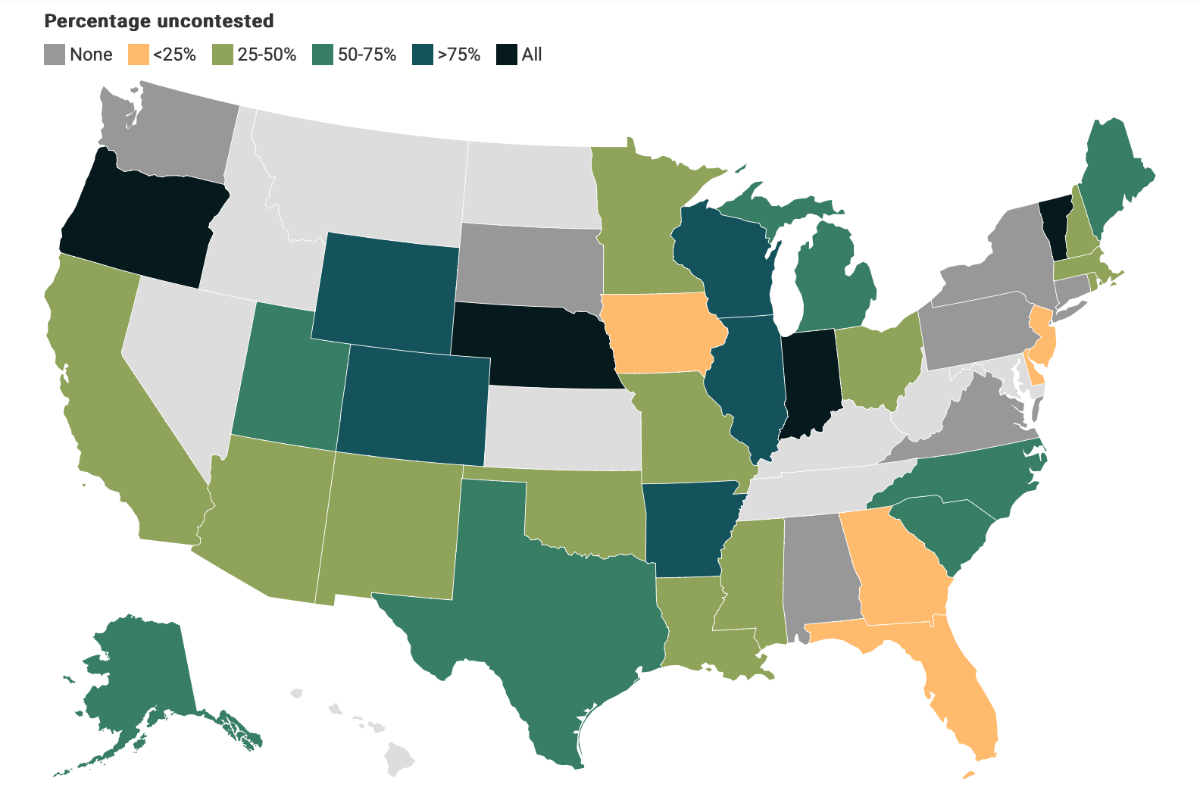
Photo Credit: BallotPedia
Why is this happening?
One major reason is hyper-partisanship. There is a significant lack of mobilisation for oppositional candidates. In heavily one-party districts, the opposing party often doesn’t bother fielding a candidate because the general election is practically a foregone conclusion.
In addition, the road for independent candidates is rocky. There are many unfair policies and discouraging bureaucracy which keep candidates from running.
For example, in a recent conversation with political candidate Stacy McCaskill, Stacy highlighted the challenges faced as an Illinois independent congressional contender.
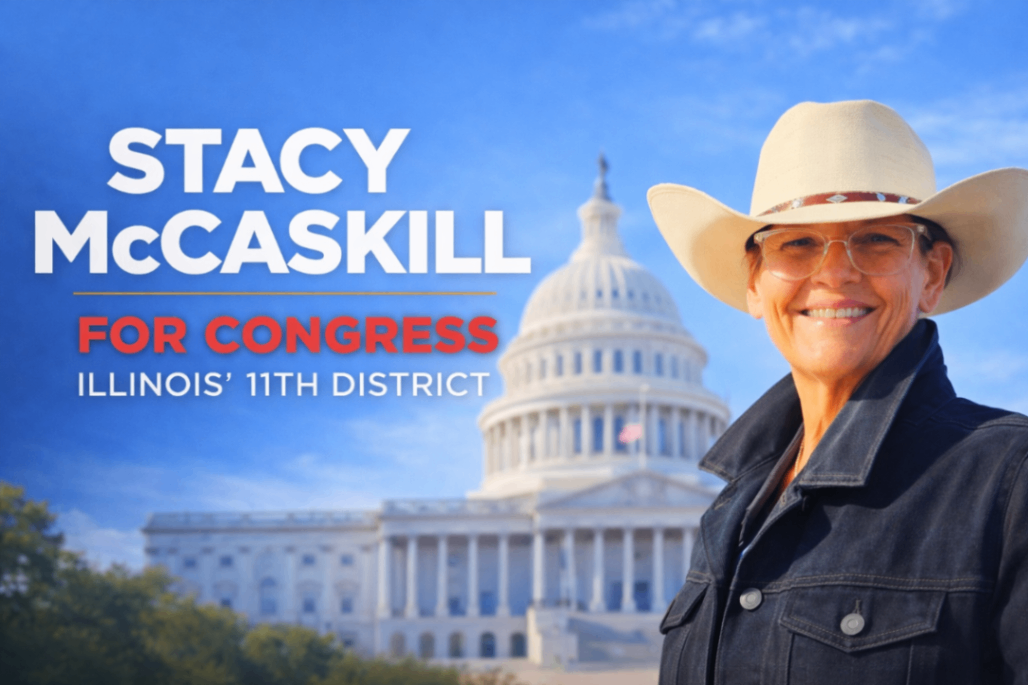
Photo Credit: Stacy McCaskill for Congress
In Illinois, Stacy says independent congressional candidates face a discouraging reality.
“To even get on the ballot,” she explained, “we’re looking at around 19,000 signatures.”
Meanwhile, major party candidates may only need a fraction of that amount to access the primary ballot.
Stacy described the process as confusing, expensive, and legally risky - to the point where candidates feel pressured to hire attorneys just to understand petition rules.
She also says independents struggle to gain institutional recognition before officially qualifying for the ballot, making it harder to recruit volunteers, access public forums, or be treated as legitimate candidates.
And she’s not alone.
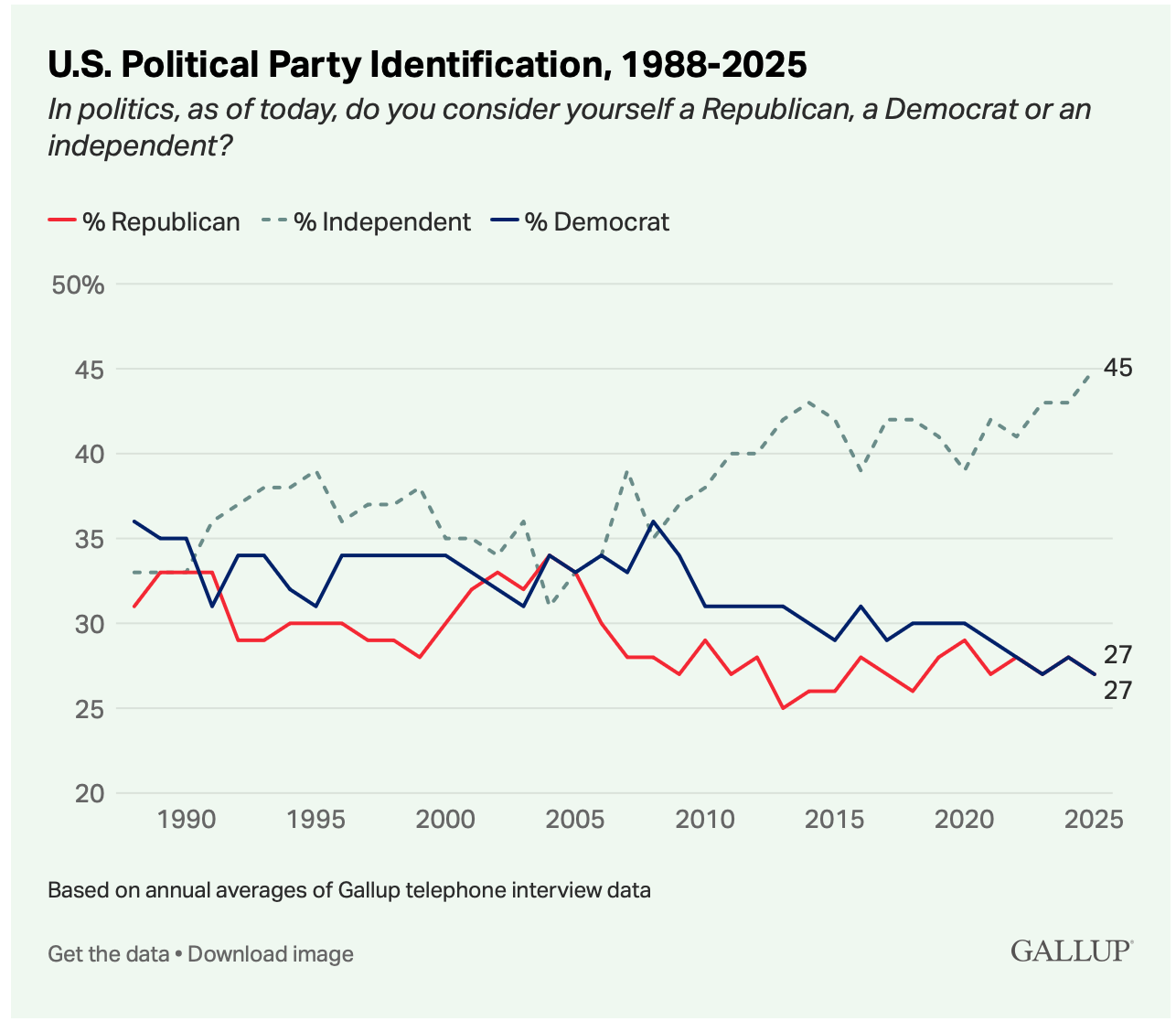
Gallup Poll showing new high of Americans identifying as Political Independents.
Despite polls showing Americans overwhelmingly want another choice, independent candidates across America have to fight their way tooth and nail to even get recognised on the ballot. This requires money, boots on the ground and awareness which is difficult to mobilise without major party backing.
Why does this lack of opposition matter?
Uncontested elections are a cause for concern because many understandings of democracy, such as that of Robert Dahl, rely on the idea of voters choosing among alternatives.
Uncontested democracy eliminates the checks, balances, and public debates necessary to prevent unchecked government power.
This means corruption. This means ICE going unchecked, and being allowed to cause real-world harm by violating civil liberties. This means candidates taking exorbitant amounts of money for their campaign from companies intent on polluting the environment. This means apathetic political leaders who have the audacity of the guaranteed win, and therefore no need to respond to their constituents.
Can Young Voters Disrupt the Political Status Quo?
Evidence shows that voter mobilization for seats like these in recent years has a positive impact on voter turnout in future election cycles.
Past research shows that without investment in targeted candidate recruitment, most of these races will go uncontested yet again.
Uncontested races often mean incumbents face no opposition. Youth involvement injects energy and fresh ideas, driving grassroots campaigns and forcing established leaders to address overlooked issues.
Youth activism translates into voter registration and turnout, turning historically uncontested races into competitive, democratic choices
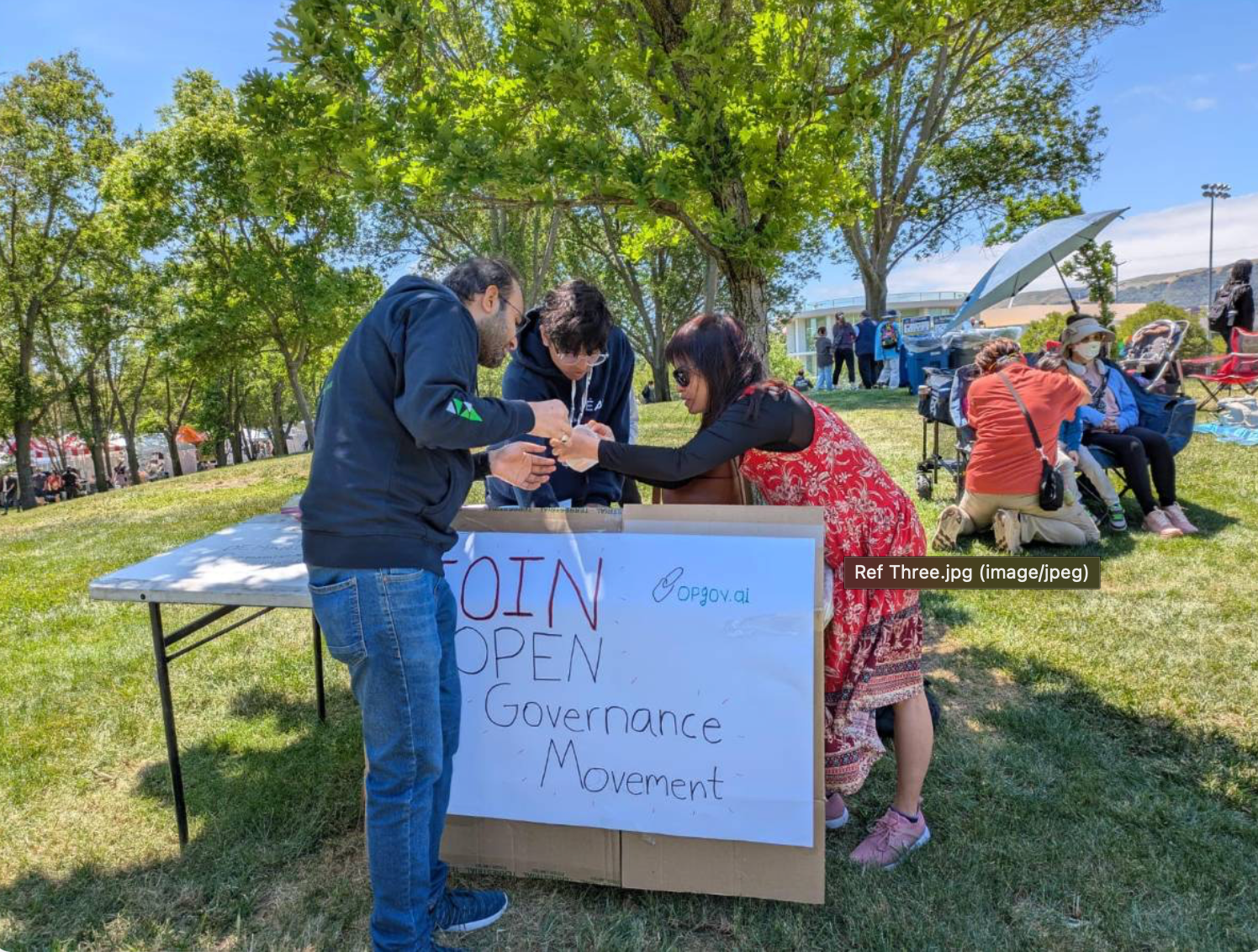
Photo Credit: Angela Underwood (OpGov.News), Youth Gather Referendum Signatures
An article by Angela Underwood shows how youth mobilization in local politics is beginning to challenge long-standing political power structures.
The piece describes a growing political clash in San Ramon over the controversial Sunset Development project, with youth volunteers and independent activists pushing back against what organizers describe as backroom deals between developers and elected officials.
The piece follows referendum efforts led by independent candidate Chirag Kathrani and community volunteers after more than 65 residents voiced concerns at a late-night council meeting before the project was approved. Young activists are shown collecting signatures, attending city meetings, questioning zoning and affordable housing decisions and demanding more transparency from local government.
These brave young people managed to garner over 1.3k signatures in support of their cause.
Their campaign suggests that the path toward more competitive elections may begin not with political insiders, but with ordinary young people willing to challenge entrenched power.
0
0

Comments