(OPGOV GLOBAL) – As many California residents can attest, the state is infamous for its earthquakes. In 1906, San Francisco experienced one of the largest earthquakes in recorded history, leaving about 300,000 citizens homeless. They continue to happen before and after, all over the state.
But that begs the question: how worried should citizens be about future earthquakes and when will the next big earthquake hit California?
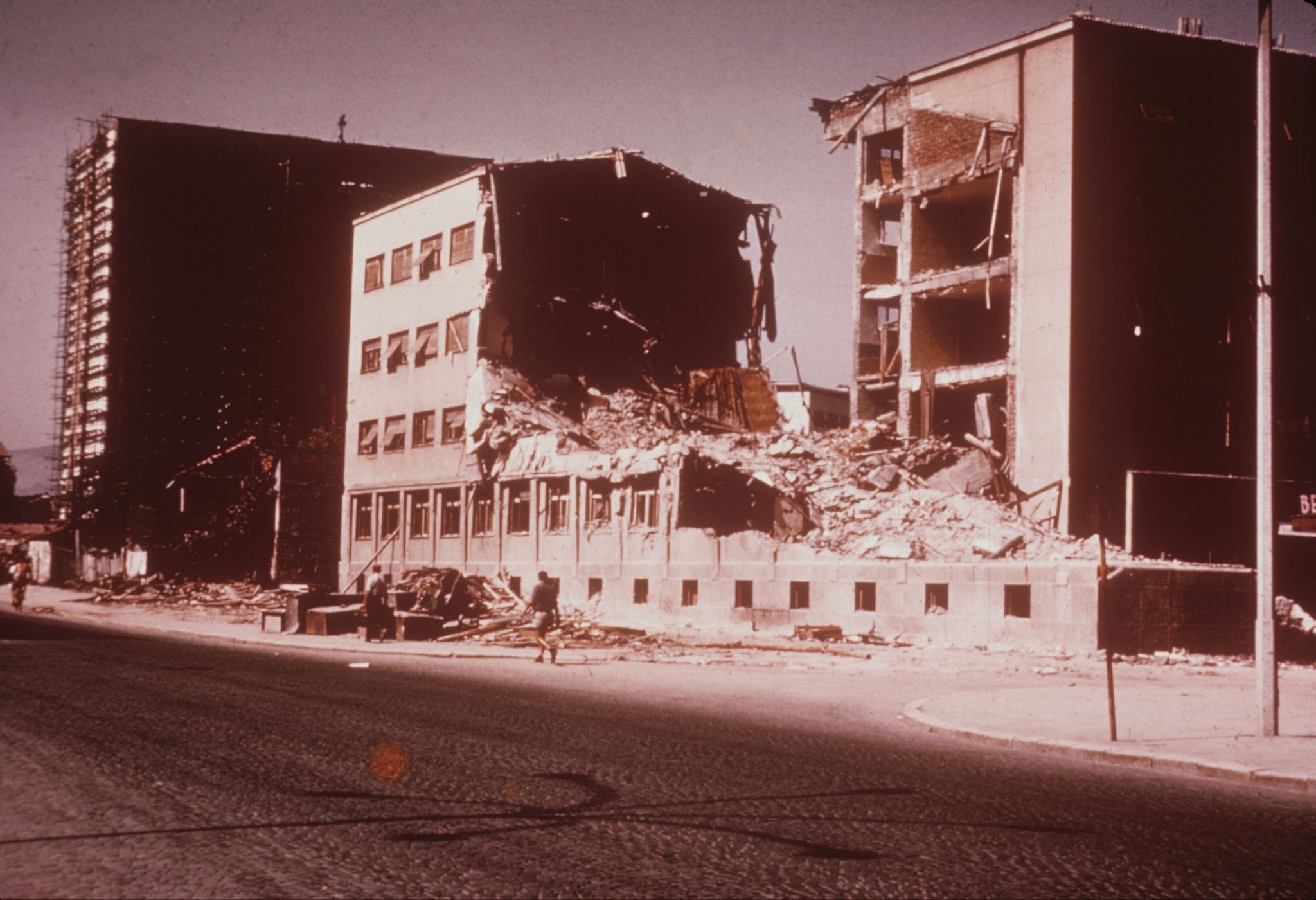
Photo Credit: National Oceanic and Atmospheric Administration
To answer that, we first need to understand why earthquakes seem so frequent in California. Earthquakes are the aftereffects of tectonic plates moving and intersecting. Two large tectonic plates lie beneath California: the Pacific Plate and North American Plate.
When an earthquake happens, its strength and power vary and are measured in magnitudes. Earthquakes measured at 2.5 or lower are not very noticeable; 6.1 and higher may cause significant damage.
While most earthquakes we experience are on the shorter side of the scale, larger ones still occur.
Technology has come a long way in recent years and there's a lot more knowledge regarding when, or if, an earthquake will occur. While technology cannot predict when an earthquake will occur, apps such as MyShake can provide early warnings and alerts if an earthquake is magnitude 5.0 or higher.
But, what if app alerts and other warning systems are not enough to protect our homes and families if an earthquake comes?
In 1906, San Francisco famously faced one of the worst earthquakes in California history. With an estimated magnitude of 7.9, the earthquake caused massive collateral damage, both directly and indirectly. What would happen if we faced another Earthquake of that level?


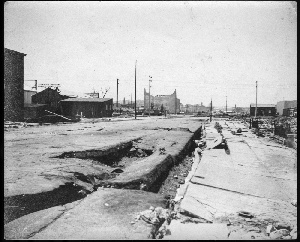
Photo Credit: Open SF History
Structural engineer and architect Charles Bloszies said buildings have changed a lot since the most earthquake-vulnerable buildings were “Unreinforced brick and concrete,” which were mainly built before the 1950s. Bloszies notes that “earthquakes impart a horizontal force on a structure at its base, but so does wind. The techniques to resist these forces are similar, and experienced structural engineers are well equipped to prepare safe designs for almost any structure.”
Architecture has evolved, and buildings are much better today, though Bloszies notes that damage is unavoidable. This matters because standard homeowners insurance does not cover earthquake damage. A special policy specifically for earthquakes must be purchased.
In the event of an earthquake following along with basic earthquake survival training, such as going under cover when inside, for example under tables. Going outside increases the chances of survival.
Human beings cannot stop earthquakes from happening, nor can the inevitable damage caused to life, society, and environments from happening when they do. While technology and architecture have advanced since 1906, so too has the price tag. As Bloszies notes, “costs associated with natural disasters are much higher.” While nothing is certain, following earthquake safety advice and obtaining earthquake insurance can protect individuals and their property, but there is another the real danger. What happens to the economy afterward?
If California does face another earthquake like in 1906, the overall damage may not be as bad, but the cost of damage may be comparable.
To add to or correct any information in this report, please contact me at stefan.p@lead4earth.org.
0
0

Comments