(SAN FRANCISCO, Calif.) — Supervisor Myrna Melgar introduced an extension to the interim data center moratorium for an additional ten months and fifteen days.
“When we introduced the initial 45-day moratorium, we did so because San Francisco needed time to understand the implications of data center development better,” said Melgar, referring to the current data center moratorium, which has been in place since October 6. He added that 45 days is the first allowable moratorium by state law.
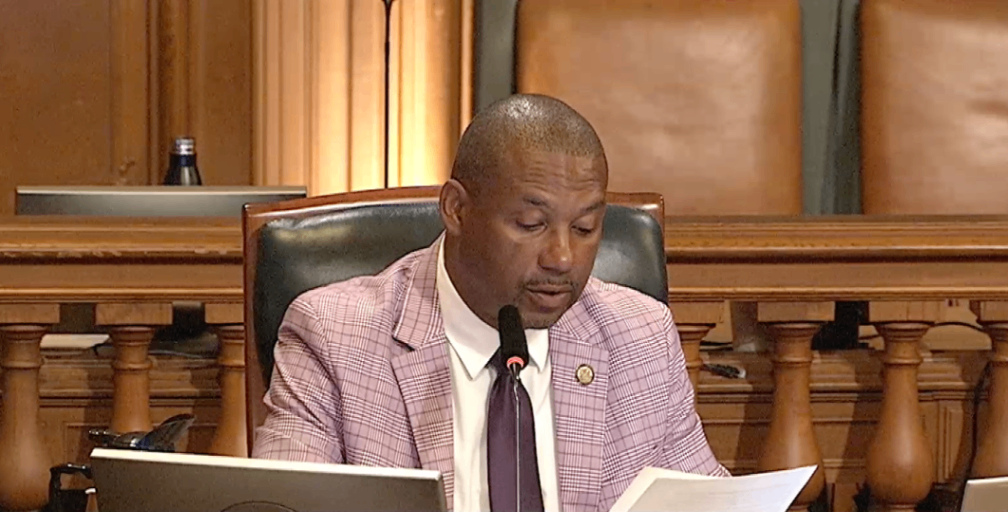
Photo Credit: SFGovTV / District 7 Supervisor Myrna Melgar proposes the extension to the San Francisco Board of Supervisors on October 27, 2026.
He highlighted the importance of determining whether existing San Francisco regulations are sufficient to protect residents, infrastructure and the environment. He reiterated ongoing concerns that they could place enormous demands on our electrical grid, require significant water resources, rely on backup generators that affect air quality, and generate noise pollution.
“We need to understand those demands, how they could affect existing ratepayers,” Melgar said, in reference to claims that data center power demands are contributing to higher energy bills, such as this report from the Environmental and Energy Study Institute.
“We cannot move forward without asking the hard questions,” said Melgar, emphasising that this is an emerging land-use issue with potentially significant long-term consequences. “45 days was a starting point, not a solution,” he said.
He went on to reference several locations across the bay area which have imposed similar moratoriums on data centers. Oakland adopted an interim moratorium on October 6, and Hayward followed up with another 45-day ban this week following much scrutiny on data center policy. Richmond and Gilroy have voted to extend their bans past the initial moratorium, with Gilroy’s ban lasting 10 months and 15 days and Richmond’s extending into September 2028.
“These actions demonstrate that communities throughout California are asking important questions about the demands of these facilities placed on public infrastructure,” said Melgar.
He also mentioned the importance of considering how data center development fits within broader land use policy and how San Francisco protects the interests of residents and existing businesses.
“We should not have to choose between embracing technological innovation and protecting communities,” said Melgar, stating the importance of appropriate planning and regulation, as well as consistency with public interest.
“We need a thoughtful, evidence-based framework that gives our city the tools to evaluate data center proposals and make informed decisions,” he said. The Board is set to review the planning commission’s report on it’s investigative findings during the current ban on November 10.
The San Francisco Board of Supervisors will vote on whether to grant the moratorium extension at a future meeting.
To add to or correct any information in this report, please contact me at naomi.h@lead4earth.org or leave a comment below with your thoughts.
0
0

Comments