(SAN FRANCISCO, Calif.) — On October 6, 2026, the San Francisco Board of Supervisors unanimously approved a 45-day temporary moratorium on new data center approvals and expansions.
Supervisor Shamann Walton spoke at the BOS meeting. “The 45-Day Moratorium is an interim measure authorised under state law that gives the city time to study the impacts of data centers and develop updated long-term regulations.”
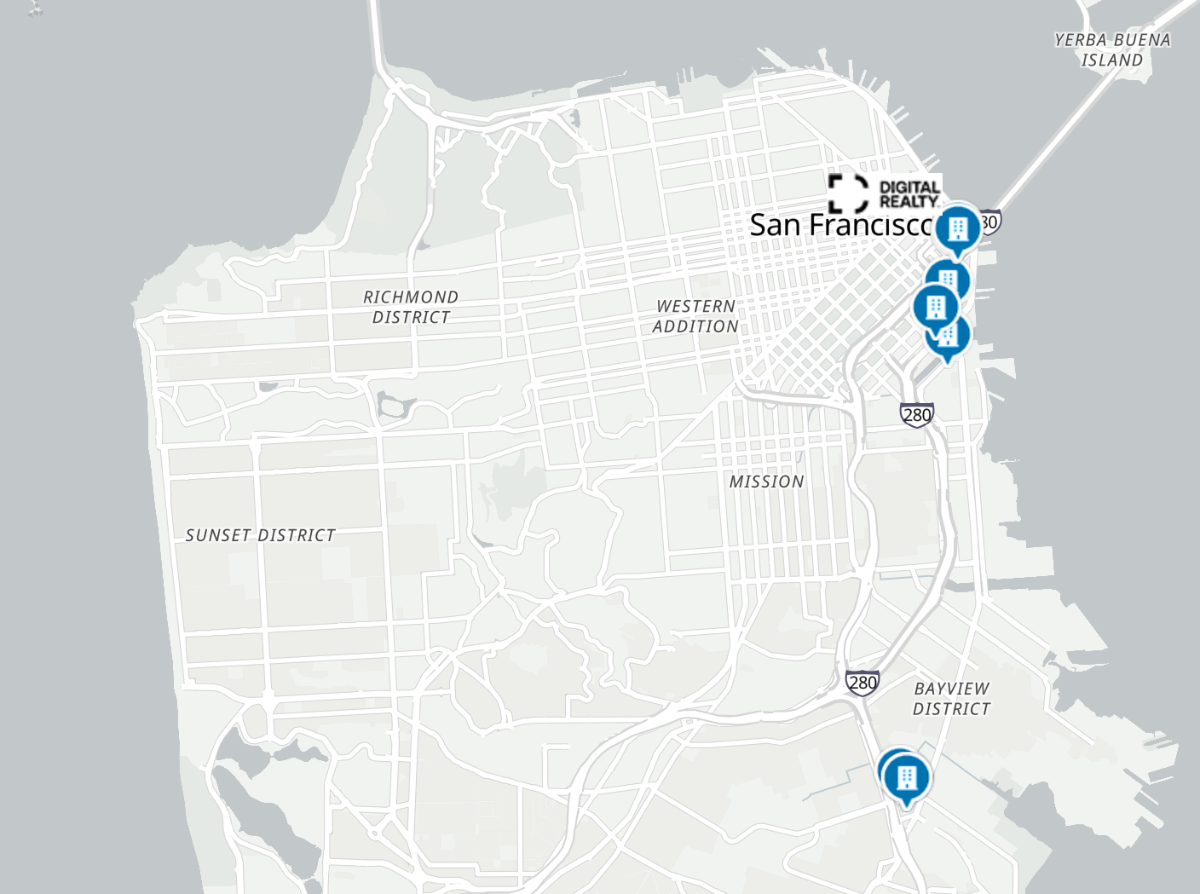
Photo Credit: Data Center Map, showing the locations of data centers in San Francisco.
According to Data Center Map, San Francisco currently has 13 data centers: eight in the downtown area and five in Bayview-Hunters Point.
The ordinance passed upon first reading, requiring 9 votes, or four-fifths of the full Board of Supervisors, making San Francisco the first Bay Area county to enact a data center ban.
The day before the vote, the Board’s Land Use and Transportation Committee heard public comment on whether the city’s existing planning rules adequately address the environmental, infrastructure, economic, and neighborhood impacts of data centers.
The ordinance directs the Planning Department to examine electricity and water demand, air quality, backup generators, noise, infrastructure costs, land use, economic impacts, and public health. The department must report within 25 days on steps taken to address the concerns behind the moratorium. The city will use the findings to consider whether data centers are appropriate in San Francisco and what permanent zoning standards may be needed.
Walton emphasized the potential effects on District 10, which includes Bayview–Hunters Point. The neighborhood already faces disproportionate environmental burdens, including air pollution and related health inequities, according to the Bay Area Air Quality Management District.
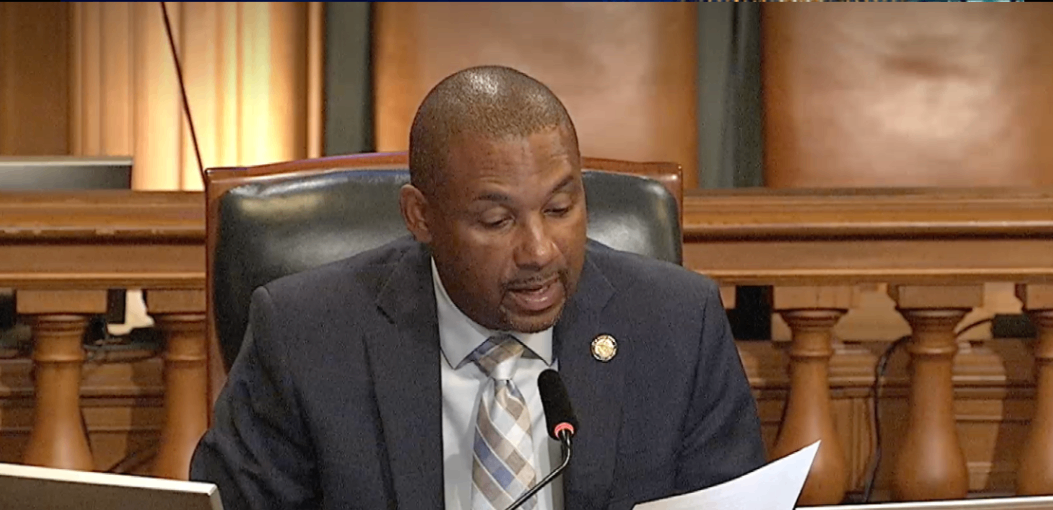
Photo Credit: Supervisor Shamann Walton spoke to propose the 45-day moratorium before the San Francisco Board of Supervisors.
“Environmental justice means looking at the cumulative impacts, not just one project at a time,” said Virginia Grandi of TODCO, a civic advocacy group in SoMa. She urged the city to consider how additional data centers could compound existing pressures on water, electricity, air quality, noise and infrastructure.
Dion-Jay “DJ” Brookter, a community advocate running for District 10 supervisor, raised concerns about the distribution of those burdens.
“Bayview-Hunters Point is a predominantly Black, Latino, and Pacific Islander community,” Brookter said. “How do we make sure communities that have historically carried the greatest environmental burdens are not once again forced to carry the burdens of new technologies?”
Research from the Kapor Foundation has raised concerns about data centers’ disproportionate concentration in communities of color.
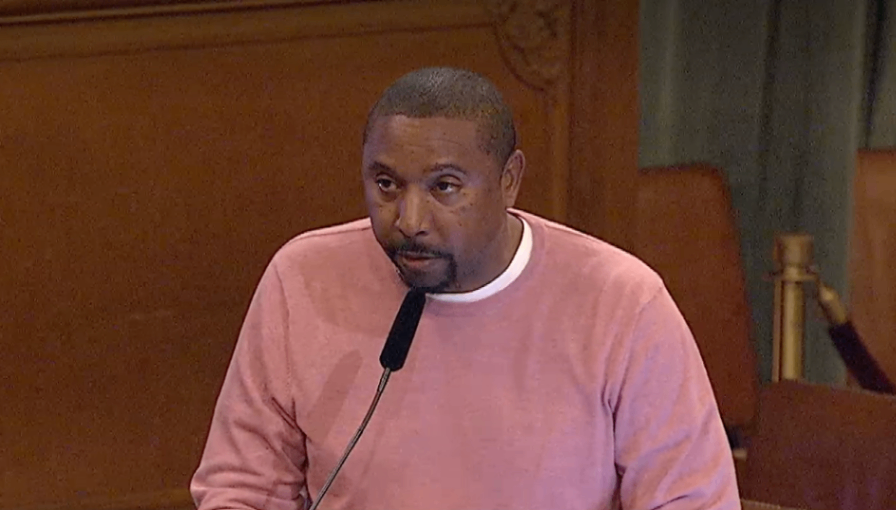
Photo Credit: Dion-Jay "DJ" Brookter, a community advocate running for District 10 supervisor, speaks before the Land-Use and Transportation committee on October 5, 2026.
Jon Paulsen, a resident from the Richmond District in San Francisco who has worked in the Data Center industry for 30 years, was the only public speaker among many to speak in support of data centres before the board.
“Honestly, we haven’t done a very good job of communicating or regulating ourselves, and this is all the result of it,” said Paulsen, claiming that data centers can be designed to reduce their environmental impact .
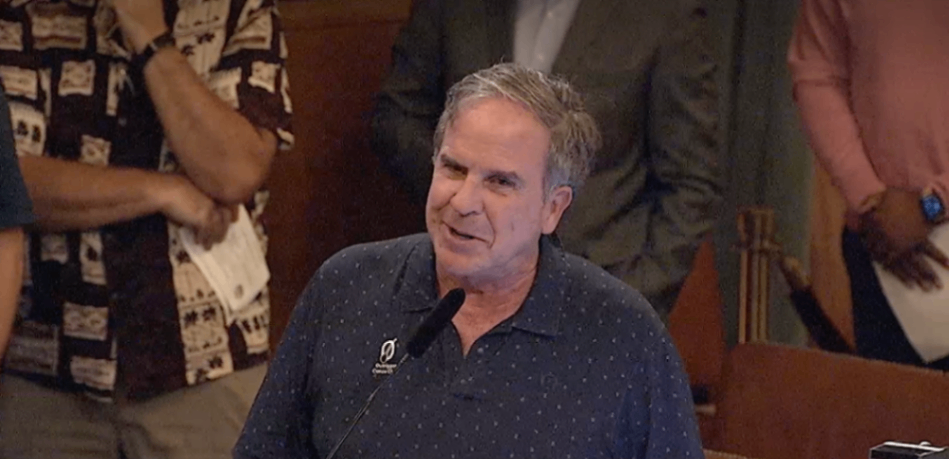
Photo Credit: Jon Paulsen, president of Divcore Digital, handed out letters on sustainable data center potential at the Land-Use and Transportation hearing.
“The last data center I am involved with, of 30MW, is going to be using 100% renewable power,” said Paulsen, who is president of Divcore Digital, a company which focuses on sustainability in data center infrastructure. “Another project I'm involved with will use absolutely zero water. Another project I'm involved with will use zero diesel backup generators.”
Paulsen believes there are ways to mitigate the impacts of data centers, stating that the tax revenue that will be generated to the San Francisco Bay Area from the servers will be millions, if not tens of millions of dollars. Santa Clara County, which has 69 data centers according to Data Center Map, is reported to generate $41 million in revenue to the City of Santa Clara from sales taxes, utility taxes and property taxes on data centers.
“My request is for us all to be very, very thoughtful about this,” said Paulsen.
To add to or correct any information in this report, please contact me at naomi.h@lead4earth.org or leave a comment below with your thoughts.
0
0

Comments