(ATLANTA, GA.) - Residents used public comment at the council meeting on June 15 to push Atlanta city council officials to prioritize affordability as redevelopment and budget decisions move forward.
Speakers said rising housing costs are making it harder for longtime residents to stay in their neighborhoods and argued that city investments should be judged by whether current residents benefit from them.
Shaneka Chapelle, chairwoman of New Order National and Human Rights Organization and a team member with Building Bridges and Hope, said housing affordability should remain at the center of redevelopment plans.
“The housing crisis is urgent and worsening,” Chapelle said. “52% of Atlanta renters are burdened.”
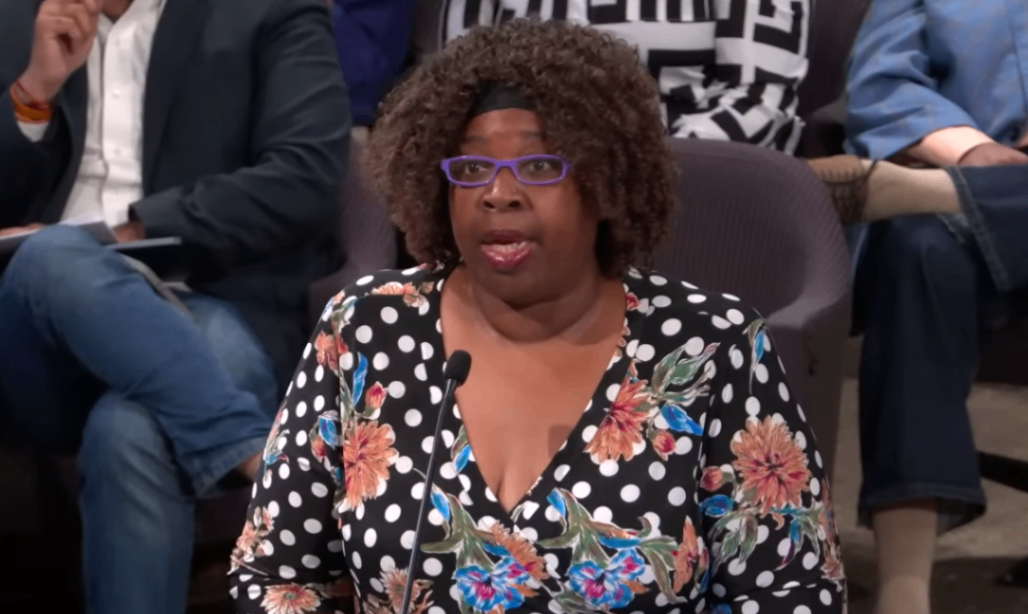
Photo credit: YouTube
Chapelle supported the Neighborhood Reinvestment Initiative, but said that it should both fund projects and show residents what success looks like and how progress will be tracked.
“From the West Side to Sweet Auburn, the story repeats,” she said. “NRI is our chance to change the ending citywide. Extend the TADs, fund the initiative, but tie every dollar to an outcome residents can feel. Don’t measure this by what we build. Measure it by who gets to stay.”
Other speakers raised similar concerns and said redevelopment should include stronger protections for people already living in neighborhoods targeted for investment.
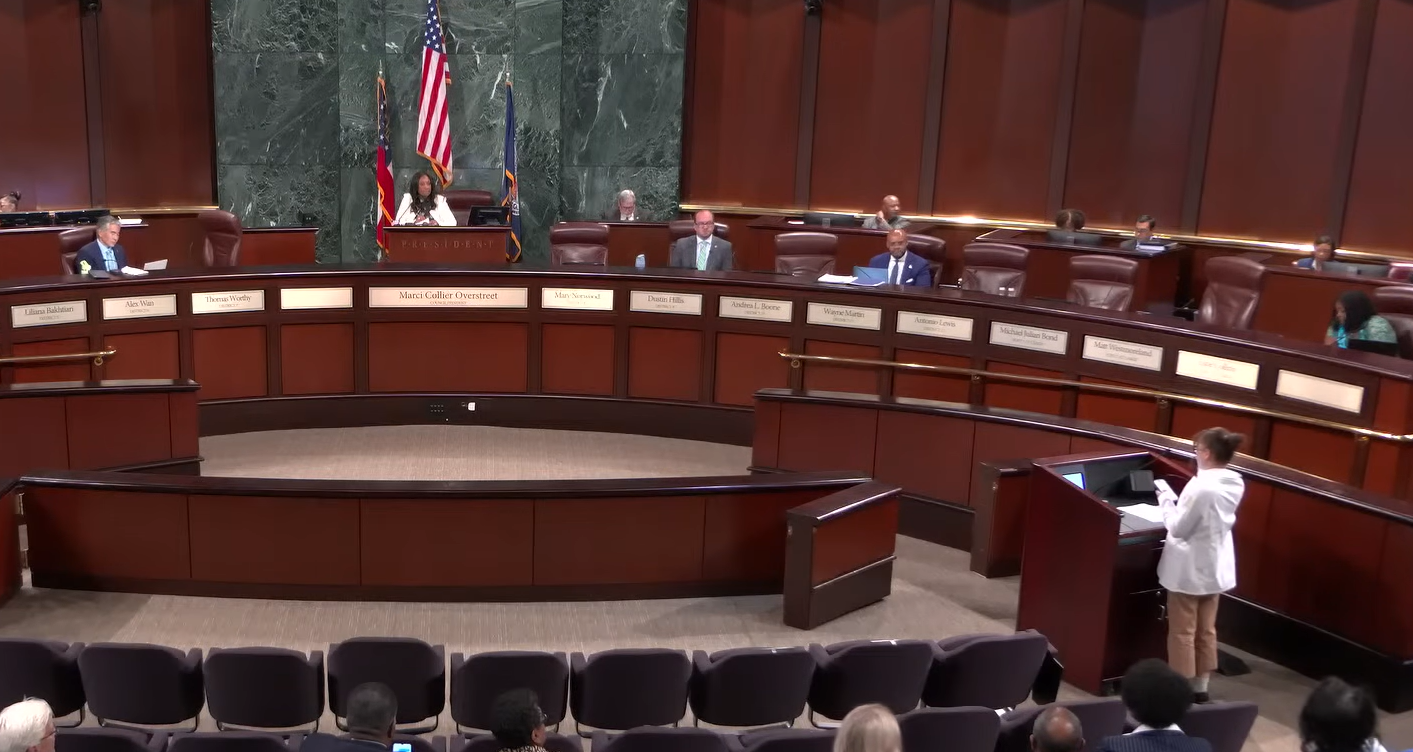
Photo Credit: YouTube
Public comment also focused on the city’s FY2027 budget and how Atlanta plans to respond to public safety needs.
Some residents questioned whether the budget process offered enough opportunities for the public to share their input and said that the city continues to spend more on policing and surveillance than housing and community services.
Sarah Torrazon, a medical student in Atlanta, said she believes the city too often responds with enforcement instead of support to poverty and instability.
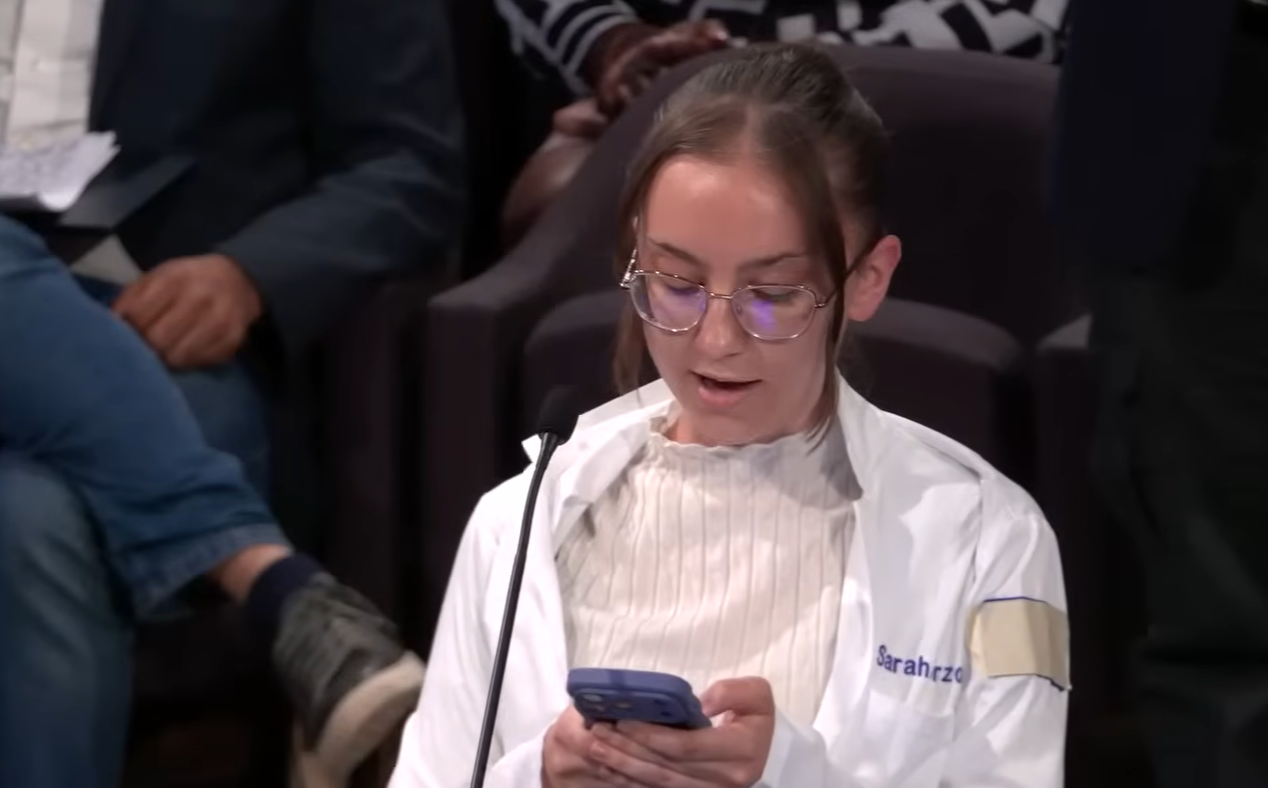
Photo credit: YouTube
“When I moved to the city, what struck me was how inequitable of a place it is to live and how intentional the systems of harm are in keeping vulnerable people trapped,” Torrazon said.
Torrazon said people experiencing homelessness, mental illness, substance use disorders, and financial hardship need access to housing and care.
She nodded to programs like PAD and the city’s diversion center as examples of alternatives that connect people with services.
“With the World Cup in our backyard, all eyes are on us as a city to get it right,” Torrazon said. “Don’t we want to show the world that we take care of our neighbors and our community, and more than just showing the world that, don’t we want to mean it too?”
Please email mia.s@lead4earth.com for questions, concerns or comments.
0
0

Comments