(ATLANTA, GA) — The Atlanta City Council approved a controversial neighborhood redevelopment proposal at the full council meeting on June 15.
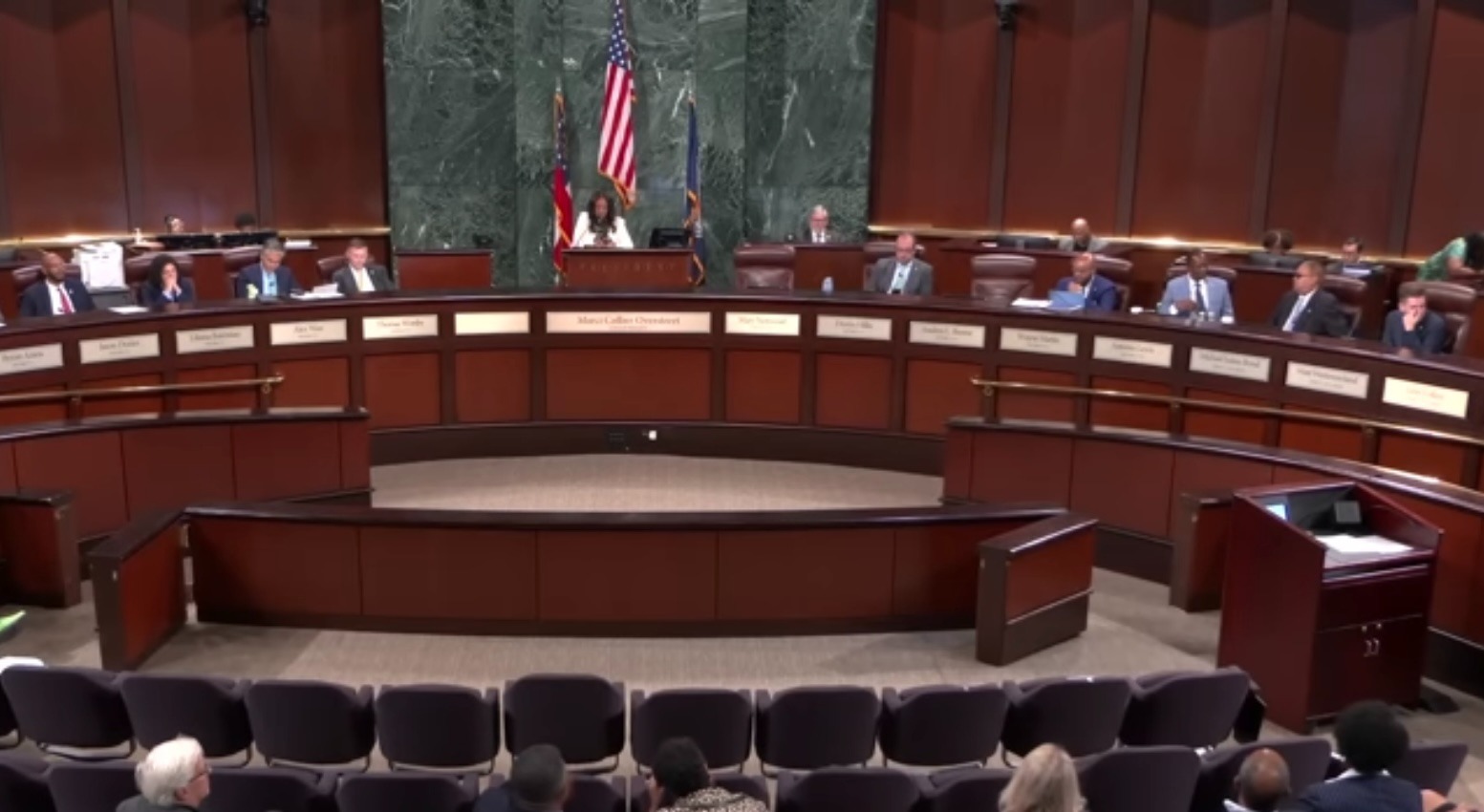
Photo Credit: YouTube
The Neighborhood Reinvestment Initiative (NRI) and the extended six Tax Allocation Districts (TADs) were both adopted Monday despite opposition from residents over transparency, displacement concerns, and city spending priorities.
The council approved the NRI and 30-year extension of six TADs in a 13-2 vote.
TADs are areas where any increase in property taxes is reserved for community redevelopment projects, according to the city's website. Residents were opposed to another extension because they felt none of the money actually goes back to the community.
The NRI is an initiative by Mayor Dickens that acts as a community-centered approach to development by prioritizing resident input and being more inclusive of neighborhood needs.
Eric Strickland said he opposed the extension because neighborhoods like Pittsburgh still have damaged roads and sidewalks, while schools and other public services remain underfunded.
“Most of Pittsburgh will get none of this TAD money, despite being precisely the kind of neighborhood that Mayor Dickens wants to serve,” Strickland said. “I cannot justify taking money from Atlanta Public Schools when they just closed 16 schools – when our schools, including the one that I teach at, are already underfunded.
He said the proposal reflects a broader pattern of investment decisions that leave residents and community organizations behind while redevelopment moves forward.
“I know y'all will probably pass this TAD extension anyway, since the mayor usually gets his way, but I want to be on record opposing this so I can look back after 10 or 20 more years of gentrification and displacement and say, I told you so,” he said. “Reject the tad extension.”
Tess Visal said the initiatives would support redevelopment in Atlanta neighborhoods.

Photo Credit: YouTube
“I know what it's like to live below the line,” Visal said. “So reinvestment is not abstract to me. I understand why residents are skeptical. We've seen plans and heard promises. Skepticism, not opposition, is a living memory for us. This is why accountability matters. I support the NRI, but support is not a blank check.”
Transparency, she said, is the most important part of the process. She said residents should be able to see how decisions are made and whether promises lead to results.
“Do not measure success just by dollars spent,” Visal said. “Measure it by who gets to stay, make the outcomes public, let us see the numbers and let us track the progress. I'm asking this council to move NRI forward with transparency, anti-displacement protections, real resident involvement and public accountability that does not disappear after the vote.
Jonathan Barheit echoed similar sentiments, speaking in support of the initiative but urging the city to prioritize transparency so residents can see whether the redevelopment benefits existing communities.
“For too long, we measured progress by trains and ribbon cuttings and forgot to ask whether the people who stayed through the hard years are still here to see the good ones,” Barheit said. “Don't measure a TAD by what gets built, measure it by who gets to stay.”
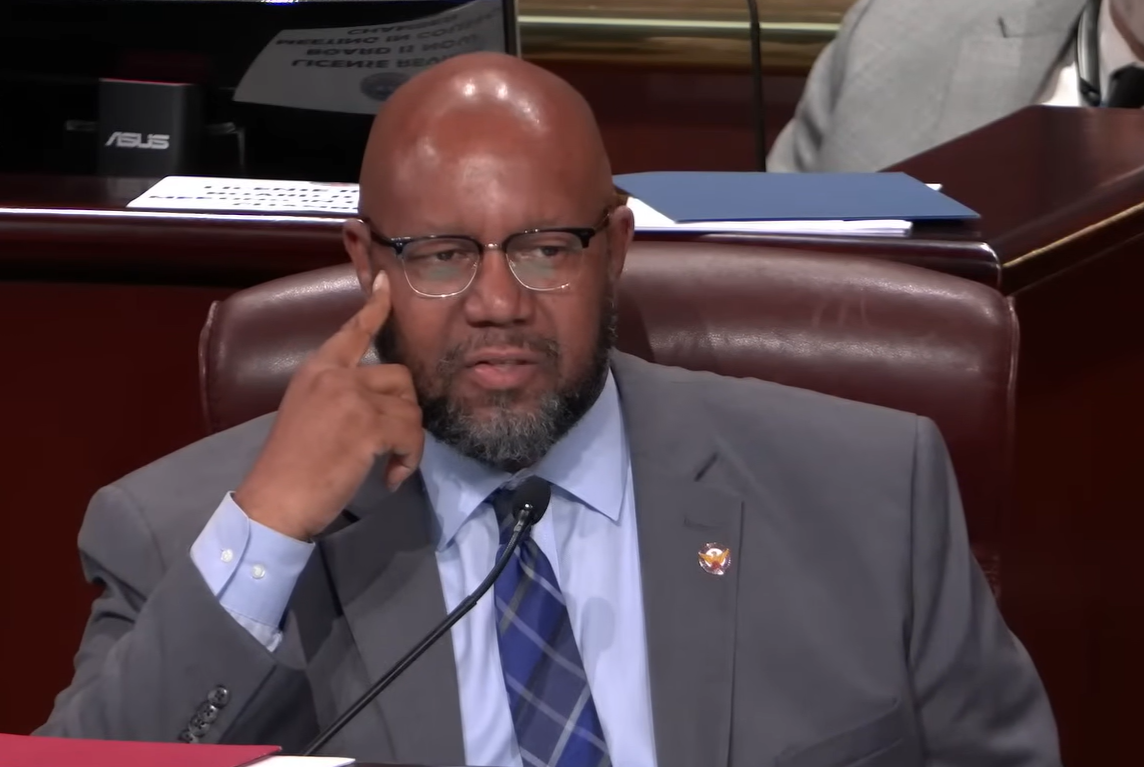
Photo credit: YouTube
Byron Amos, who represents District 3, originally voted no to the TAD extension but said he had a change of heart when the NRI was introduced.
“I don’t like this piece of legislation and I tell you why – because now we have put my neighborhood, Vine City, in a TAD for almost 50 years,” he said. “But everything that we’ve been getting wrong, per se, over the last 20 or 30 years, this NRI done right corrects all of that. That is what’s getting me excited about this paper.”
Please email mia.s@lead4earth.com for questions, concerns, or comments.
0
0

Comments