(SAN FRANCISCO, Calif.) — On September 29, 2026, San Francisco Mayor Daniel Lurie announced that the City is increasing security protections on automatic license plate reader (ALPR) camera data.
In San Francisco, nearly 500 of these cameras are operated by Flock Safety, the country's largest ALPR manufacturer.
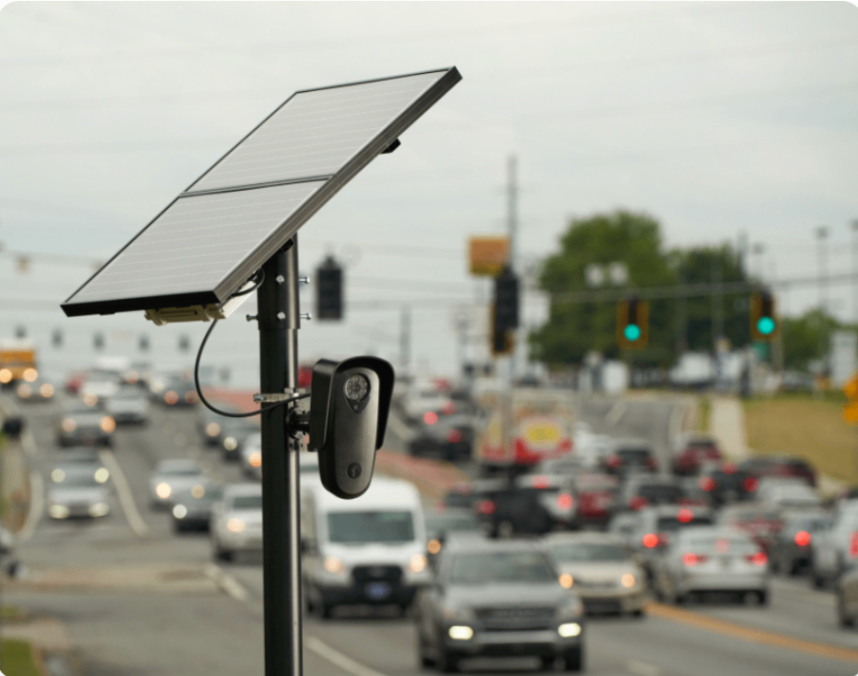
Photo Credit: City of Kettering.
Lurie spoke on some of the positives of Flock cameras. “In the past two years, public safety technology has assisted in more than 1500 arrests in San Francisco,” said Lurie, citing the 20% reduction in crime this year, a 22-year low in car break-ins, and homicides at their lowest point since 1954.
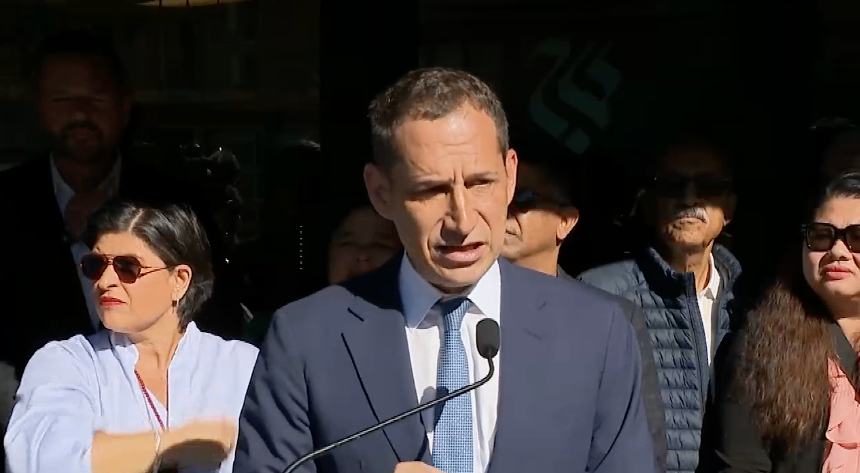
Photo Credit: SFGovTV / Mayor Lurie announces increased security protections for ALPR cameras in a press conference.
However, these cameras have remained a controversial issue in San Francisco due to their issues with security.
“I think [Flock Cameras] are a concern, not at their baseline use, but the under-the-surface monitoring capability they have for the wrong people,” said Jun Fahey, a San Francisco resident who spoke with OpGov.news.
In June 2026, San Francisco disclosed the results of an internal audit. The city found 299 unauthorized searches of its Flock database by federal agencies over approximately one year, despite federal access being prohibited by Flock Safety.
There have also been a number of cases of police misuse, including a Kansas police chief who used Flock cameras to track his ex-girlfriend's vehicles for more than four months.
The city's plan for combating ALPR security issues includes limiting the length of time that data is held. Previously, the city kept automatic license plate reader data accessible for 12 months; the changes will cause it to be deleted from the platform after 30 days. This is in line with policies adopted by Oregon and San José, and it is shorter than the 60-day cap that applies to the California Highway Patrol, the only current limit under California law. For officers to keep certain data accessible after the 30-day limit, SFPD must demonstrate it is involved in an active police investigation and obtain permission from police leadership.
They are also tightening requirements every time officers search for Flock data, saying that whenever the Flock system is searched, there must be an incident number linking the search to a specific incident, as well as a clear record of who accessed the data.
Lurie reiterated in the announcement that under SF rules, federal agencies are prohibited from accessing Flock data; state and local agencies will continue to be approved on a case-by-case basis. Under San Francisco’s strengthened policy, no one may search on behalf of another, and vendors may not independently use or share data.
“SFPD has long prohibited the use of ALPR data for civil immigration enforcement, and it cannot be used for someone who is going in to get an abortion, and it cannot be used to monitor a peaceful protest,” said Lurie. He highlighted how, where possible, they are building these prohibitions into the technology itself.
“If someone misuses our data, we will hold them accountable,” said Lurie. In order to increase security, the Department of Police Accountability (DPA) will conduct regular, independent, and publicly available audits of LPR use, under the leadership of Executive Director Paul Henderson.
As the new policy goes into effect, Mayor Lurie will also partner with Assemblymember Matt Haney and District Attorney Brooke Jenkins to pursue strengthened penalties under state law for the unauthorized disclosure and misuse of public safety data. “It should be a crime to share sensitive information without a clear and lawful purpose. Period. It’s unacceptable and dangerous that it isn’t already,” said Assemblymember Haney.
“San Franciscans should never have to choose between public safety and strong protections for their civil liberties,” said District 6 Supervisor Matt Dorsey.
“Having these [Flock Cameras] available for small businesses creates the safer, healthier commercial corridors vital for businesses to flourish and thrive in San Francisco,” said Masood Samereie, San Francisco Minority Chambers of Commerce Foundation President.
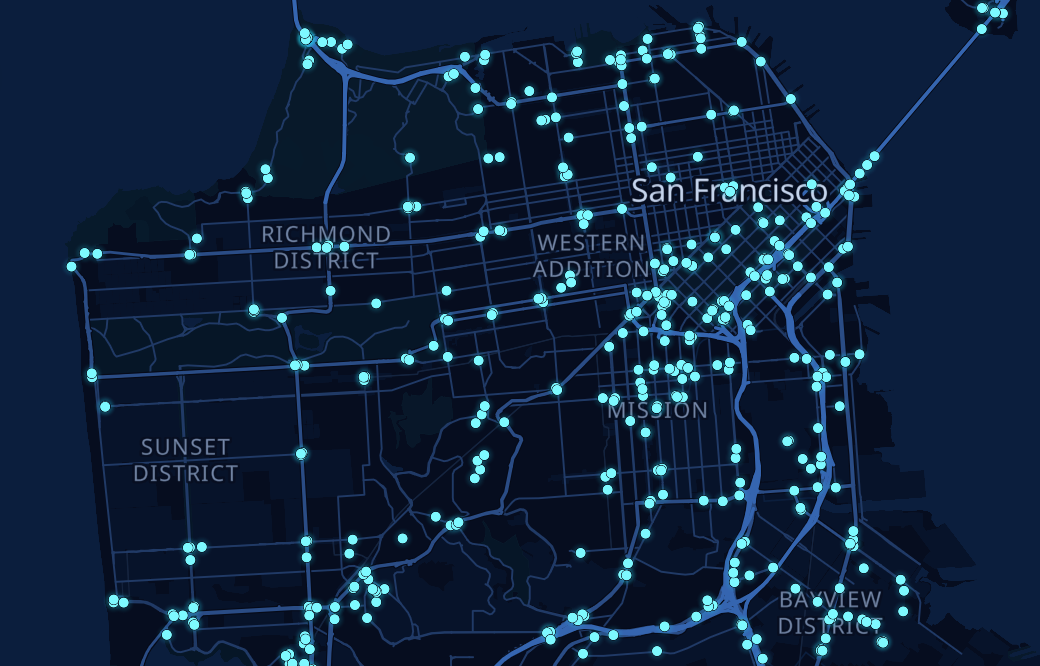
Photo Credit: Flock Camera Locations Live Map / 468 Flock Cameras are currently active in San Francisco.
Despite largely positive reactions from city officials on this new policy, one privacy advocate by the name of Brian Hofer, executive director of the Oakland-based privacy advocacy group Secure Justice, called the measures performative.
“There isn’t one thing that came up in those announcements that we haven’t talked about for the last five years,” Hofer said in an interview with the San Francisco Public Press. “None of these things are meaningful,” he said. “It’s all performative art.”
To add to or correct any information in this report, please contact me at naomi.h@lead4earth.org or leave a comment below with your thoughts.
0
0

Comments