(OPGOV GLOBAL) - In 2024, the Federal Trade Commission (FTC) conducted a study on surveillance pricing. According to the FTC, user data as simple and insignificant as mouse movement and click rate can be used to modify a price listed for a specific user.

Photo Credit: FTC / Former Federal Trade Commission Chair Lina M. Khan
“Americans deserve to know how their private data is being used to set the prices they pay and whether firms are charging different people different prices for the same good or service.”
Intermediaries are the middle-man companies that store user data and allow sites to display dynamic prices.
The FTC believes surveillance pricing has hurt competition and consumers, and has decided to continue investigating.
At the time, the FTC was investigating intermediaries working with over 250 online sellers, including retail giant Walmart and the popular hotel chain Marriott, alongside other hotel booking websites.
Although many consumers are aware of airlines using dynamic pricing, few are aware of the real estate industry using the same tactics.
Realpage was an intermediary sued by the FTC after being accused of violating antitrust laws. Although there is no legal verdict yet, Realpage and associated businesses were ordered to give nearly $360 million toward a fund for affected consumers.
Additionally, Realpage is only allowed to train A.I. models with data over a year old and anonymously recorded. Although dynamic pricing is still legal, the price listed to your neighbors and colleagues will likely be the same.
Realpage and other real estate intermediaries have been investigated and punished, with states like New York imposing a total ban on rent-pricing algorithms. However, several other markets have become compromised by surveillance pricing.
Luckily, several state senates have been proactive and signed laws to combat the issue.
In April, Maryland became the first state to ban retail apps from using consumer data to price-gauge. House Bill 895 (Maryland) was signed in April and will become effective in June.
New York passed a similar law in June, and the Surveillance Pricing Act has already passed through the Senate.
On the federal level, New Jersey Representative Josh Gottheimer announced efforts to create nationwide legislation.
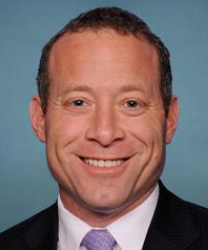
Photo Credit: congress.gov / New Jersey Representative Josh Gottheimer, Co-Chair of the Democratic AI Commission
Titled “No Rigged Grocery Price Act”, it is aimed at protecting consumers' interests while grocery shopping. Primarily, the act would prevent stores from using A.I. to set individualized prices.
As online shopping has become more popular, retailers have more opportunities to discreetly increase prices per each user.
Gottheimer also looks to protect consumers from substitution fraud. Online shoppers often pay for their orders and have a substitution imposed on them without much discretion. If passed, the act will impact how retailers make substitutions.
Lawmakers are not looking to eliminate A.I. from sales and retail. In fact, the “ No Rigged Grocery Act” explicitly mentions loyalty apps and discounts for appropriate uses of A.I. integration.
If you have any questions or concerns, please email me at jason.f@lead4eath.org!
0
0

Comments