(OPGOV GLOBAL) – As glucagon-like peptide-1 (GLP-1) medications continue reshaping the treatment of obesity and Type 2 diabetes, an emerging practice known as microdosing has gained attention among patients looking to reduce costs and manage side effects.
While discussions on social media and telehealth platforms have increased awareness of the practice, current research has not established whether lower-than-approved doses provide the same long-term benefits demonstrated in clinical trials.
GLP-1 receptor agonists, including semaglutide and tirzepatide, work by mimicking hormones that regulate appetite, slow stomach emptying and improve blood sugar control. Medications including Wegovy, Ozempic, Zepbound and Mounjaro have demonstrated significant weight loss and metabolic benefits when used according to U.S. Food and Drug Administration-approved dosing schedules.
Microdosing generally refers to taking smaller doses than prescribed or extending the time between injections. However, there is currently no universally accepted medical definition for GLP-1 microdosing, making it difficult for researchers to measure its effectiveness or compare outcomes among patients.
The trend has grown as demand for GLP-1 medications has increased nationwide.
Patients without insurance coverage may face monthly costs reaching several hundred dollars, leading some individuals to stretch prescriptions by reducing doses or delaying injections.
Others report using lower doses to manage gastrointestinal side effects, including nausea, vomiting, constipation, and diarrhea, which are among the most common reasons patients discontinue treatment.
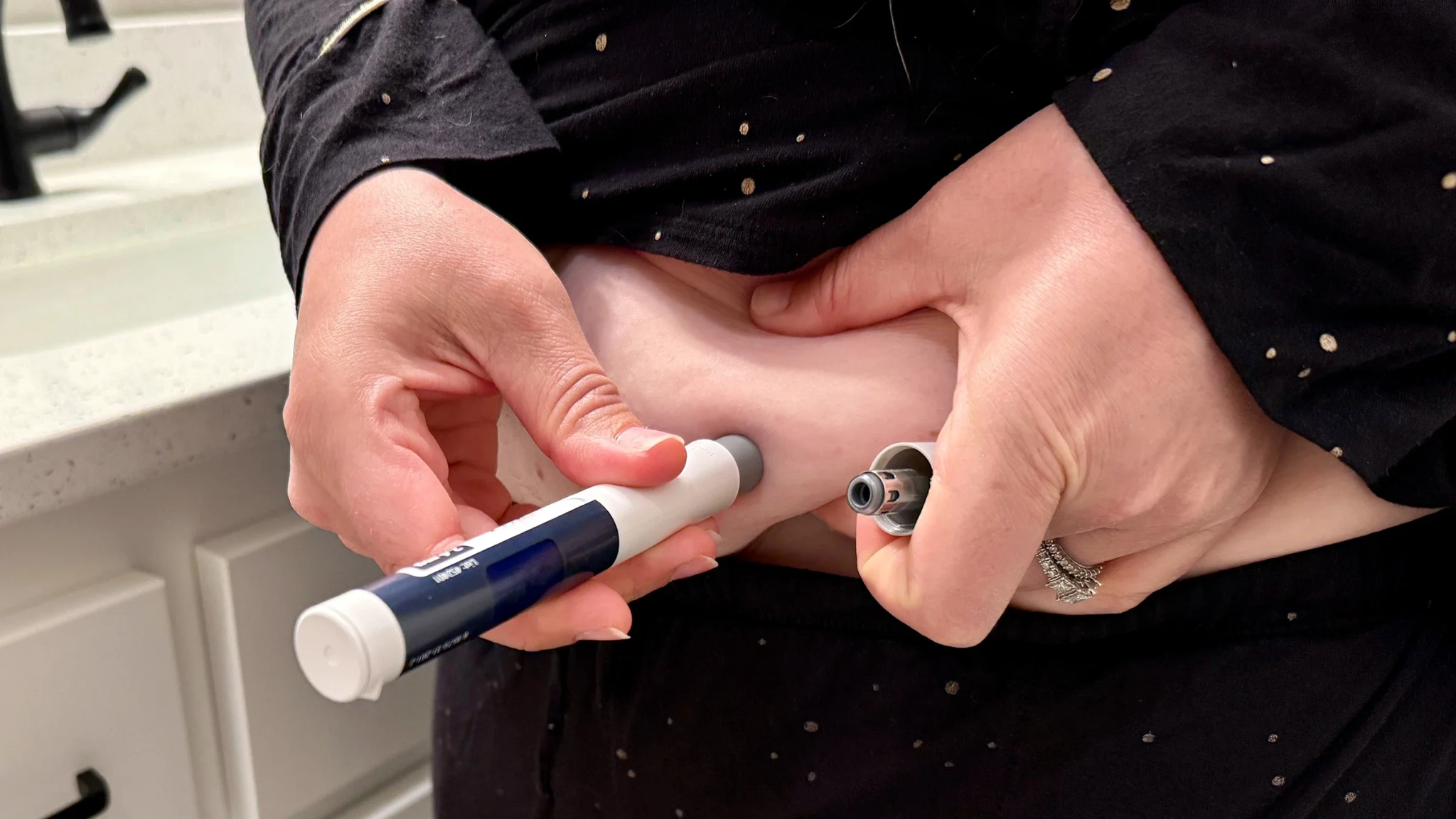
A patient self-administers a subcutaneous injection using a prefilled pen, a daily or weekly routine that some patients independently modify to reduce out-of-pocket costs or control side effects.
Photo Credit: GoodRx/Website
Medical researchers have emphasized that patient experiences shared online do not replace evidence from controlled clinical studies. The Cedars-Sinai analysis on GLP-1 microdosing notes that physicians may adjust treatment plans for individual patients experiencing side effects, but those decisions differ from patients independently changing their medication schedules.
The distinction is significant because the clinical trials supporting semaglutide and tirzepatide followed standardized dosing schedules. Studies evaluating these medications found participants lost approximately 15% to more than 20% of their body weight depending on the medication and dosage, while also experiencing improvements in blood sugar control and cardiovascular risk factors.
Researchers say it remains unclear whether substantially lower doses can produce similar long-term outcomes.
Current studies have not determined whether microdosing can maintain weight loss, preserve muscle mass, reduce cardiovascular risks, or prevent weight regain after patients reach their treatment goals.
The U.S. Food and Drug Administration has also raised concerns about patients altering prescribed dosing schedules, particularly when compounded GLP-1 medications are involved.
The agency has reported adverse events, including hospitalizations, linked to dosing errors involving compounded semaglutide and tirzepatide products. Federal regulators recommend patients obtain GLP-1 medications through licensed healthcare providers and use FDA-approved products whenever possible.

The dose selector on a GLP-1 injection pen allows precise measurement, though medical experts and federal regulators warn against manually adjusting standard clinical dosing schedules without physician oversight.
Photo Credit: Medical News Today/Website
Beyond weight management, research into GLP-1 medications continues expanding. Clinical studies have linked the medications to improvements in cardiovascular health, blood glucose management and several obesity-related conditions.
Researchers are also examining potential long-term effects, additional medical uses and differences in treatment response among patient groups.
Recent research has explored how individual characteristics may influence outcomes. Studies examining tirzepatide treatment have found differences in average weight loss among patient groups, highlighting the need for additional research into personalized treatment approaches.
Despite growing interest in microdosing, researchers say available evidence does not currently support recommending the practice as a standard treatment strategy. Healthcare providers instead emphasize individualized care plans based on a patient's medical history, treatment goals, and response to medication.
Physicians may recommend slower dose increases or extended time between approved dosing levels for patients experiencing significant side effects. However, experts caution that these adjustments should occur under medical supervision rather than through generalized recommendations shared online.
As GLP-1 medications become more widely used, researchers say interest in microdosing has grown faster than the available scientific evidence.
Until randomized clinical trials evaluate lower-dose treatment strategies, healthcare providers continue recommending that patients discuss concerns about affordability, side effects, or long-term treatment plans with their physician before changing prescribed medication routines.
Broader questions surrounding prescription drug access and healthcare affordability have also been examined in OpGov.News coverage.
In “Trump Ends Temporary Medicare Part D Premium Backstop, Shifting the Focus to What Comes Next,” written by OpGov.News journalist Harika Viswanatham, the publication explored how medication costs and insurance coverage decisions affect patients navigating prescription care.
Health research topics have also been covered through articles such as “Can Overthinking Become A Migraine Trigger?” reported by OpGov.News journalist Teri Tracy examined how medical research continues to explore connections between everyday experiences and chronic health conditions.
The broader role of federal oversight in health and consumer safety was also discussed in “The F.D.A. Still Hasn’t Figured Out Why Your Lettuce Is Infested,” written by Tracy, which examined challenges facing federal regulators.

Injectable GLP-1 therapies are often integrated with dietary changes and weight-management monitoring to improve overall cardiovascular and metabolic health.
Photo Credit: UCLA Health/Website
To add to or correct any information in this report, please contact me at victoria.o@lead4earth.org.
Thumbnail Photo Credit: STAT News/Website
0
0

Comments