(SAN FRANCISCO, CA.) - The main discussion of the San Francisco city council meeting last Friday was how housing aid is shifting in San Francisco under the current climate of the federal administration.
Funding for the federal Emergency Housing Voucher (EHV) program, which “provides a significant opportunity for Public Housing Authorities (PHAs), Continuums of Care (CoCs), and Victim Service Providers (VSPs) to develop collaboration partnerships and strategies that effectively address the needs to vulnerable populations in their communities”, is set to expire in September of 2026. Within San Francisco, pulling this program is said to affect over 900 households, including those who are “homeless, at-risk of homelessness, fleeing, or attempting to flee, domestic violence, dating violence, sexual assault, stalking, or human trafficking, or were recently homeless or have a high risk of housing instability”.
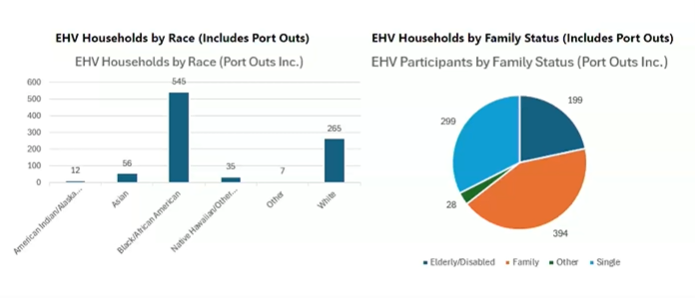
Photo Credit: YouTube
The Our City Our Home Commission has offered a temporary solution to this by depending on Project-Based Vouchers (PBVs) and allocating $27 million for tiding the city over until future re-establishment of a similar program. The city has also been granted limited Tenant Protection Vouchers, which will “reduce the need to relocate households to PBV units”.
Vice Chair Dantonio responded with several questions, including one surrounding how it will be determined who receives EHV vouchers versus those that are project based. Dantonio suggested pulling in community-based organizations to help those suffering from community violence and avoiding placements of people in “public housing units in communities that they are not comfortable in”.
Director of the Office of Housing and Community Development Dan Adams acknowledged how this system will have to balance “administrative structure that can move quickly and being able to give people a choice of where they live”. Many important factors and metrics of this plan are still unknown, though, and Director Adams was transparent about that.
However, community members were still very outspoken about this change.
Executive Director of the Coalition on Homelessness Jennifer Friedanbach outlined how it is “estimated that a third of the households will be covered by the Tenant Protection Vouchers, forcing the remaining 620 households to move”. Furthermore, all of the Project-Based Vouchers are planning to shift to EHV over 2 years” which Friedanbach categorized as “creating a huge halt in the ability of unhoused people to move and forcing people to stay on the streets”.
However, Friedanbach did bring up the fact that “Supervisors Chan has set aside $400 million for housing and Medicare/Medicaid cuts”; if “$39 million of that was used to push this plan back 2 years, it would give people more time to stabilize, get jobs, and move to tenant based vouchers”.
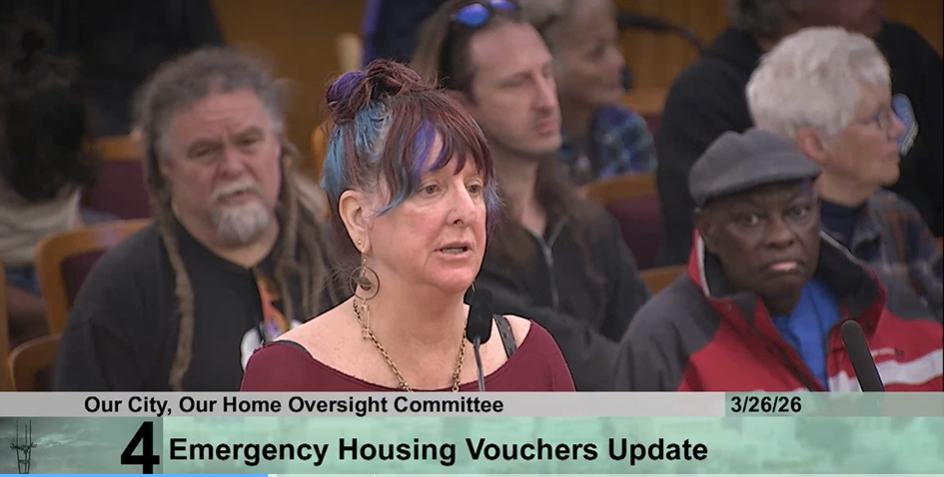
Photo Credit: YouTube
Community-member and homeless single mother Maritza Salinas reiterated the importance for Emergency Housing Vouchers and Mercy Housing Emergency Vouchers. She recognized that the need for them is on a case-by-case basis but emphasized how vital the vouchers have been to her and her family within their experience.
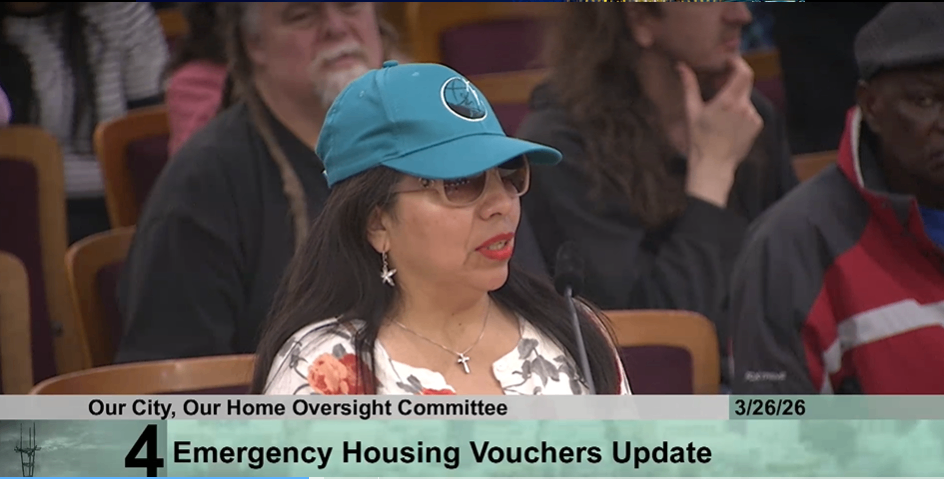
Photo Credit: YouTube
Finally, Jessica Hernandez from Compass Family Services asserted that she is “grateful that we maintain an option for families that have Emergency Housing Vouchers” because currently, and in the past, families have been frustrated by the lack of transparency within the voucher process.
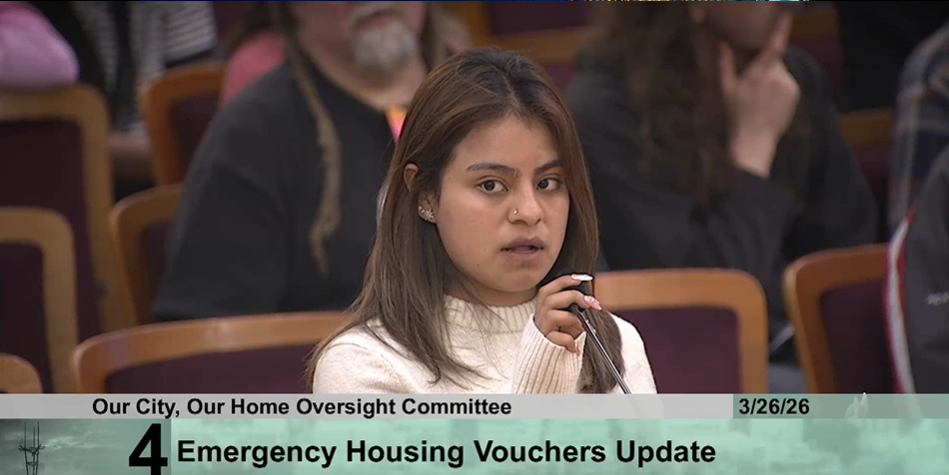
Photo Credit: YouTube
Overall, this is a trickle-down issue from occurrences in the federal government. The city of San Francisco will have to work to balance budgetary restrictions with the needs of residents as housing and homelessness issues continue to challenge the city and others like it. More effects regarding Emergency Vouchers will begin to take place in the upcoming summer, and then the options for those families will become more clear.
To add to or correct any information in this report, please contact me at enya.n@lead4earth.org and be sure to leave a comment below.
0
0

Comments