(DUBLIN, CA.) – “If stuff's not getting done, you get in there and you do it; you work with whoever it is to make sure it keeps moving. There's nothing more to it than that,” says Mike McCorriston.
How well do you know your Dublin candidates for city council? We’re going forth to do just that: give you, the reader, the opportunity to learn more about what your candidates support beyond the campaign materials you see every day.
Mayoral candidate Mike McCorriston spoke with OpGov.news reporter Molly Scheid and Assembly District 16 Candidate Chirag Kathrani about his candidacy for Mayor of Dublin, voicing his perspective, experience, and the impact he hopes to make on Dublin during his hopeful upcoming term.
OpGov.News UnCut Interview with Mike discussing Dublin Priorities
Appointed as Mayor from Vice Mayor in 2024, McCorriston spoke of his appointment during hard times.
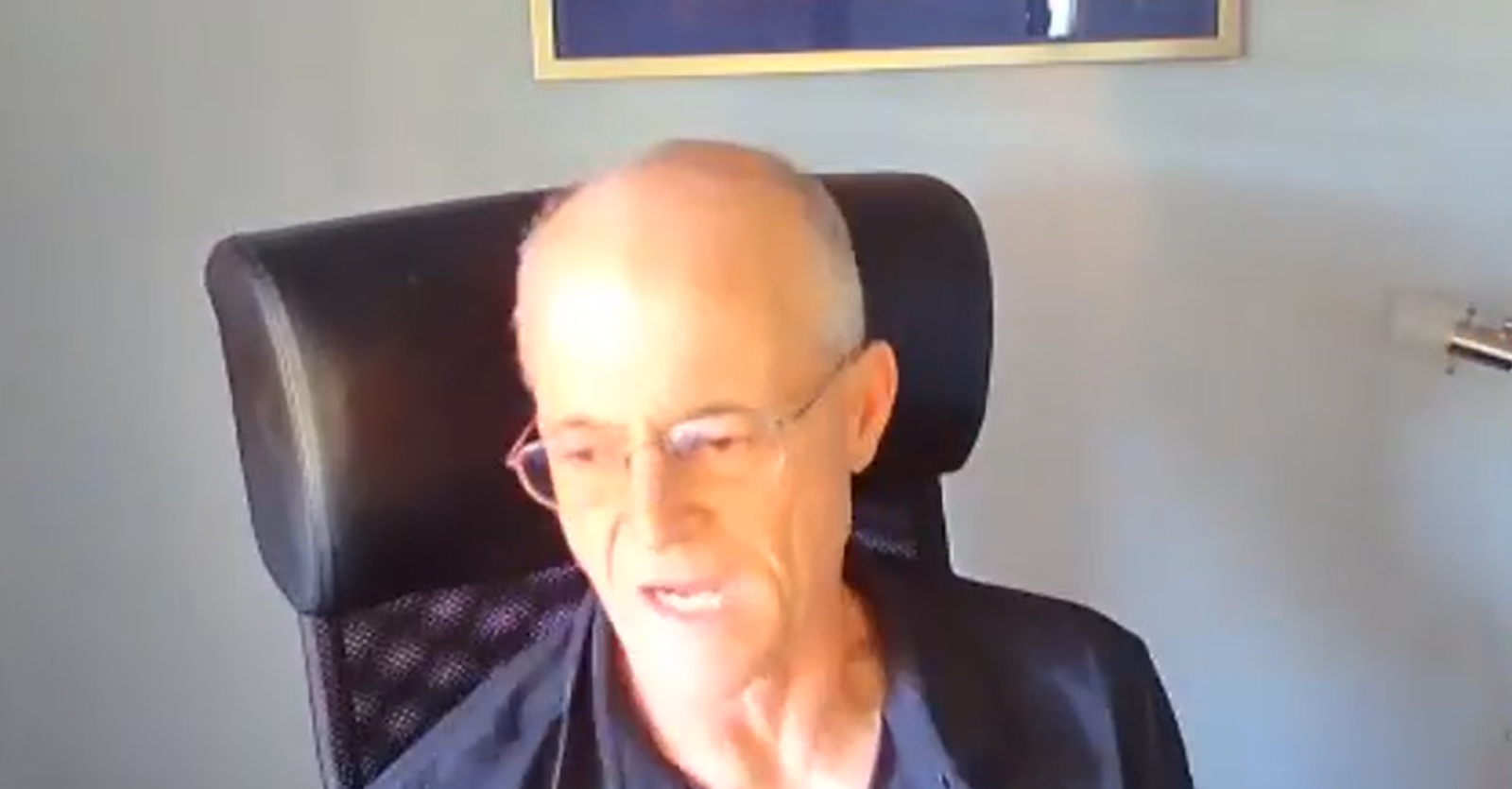
Photo Credit: Zoom / Molly Scheid
“I was appointed the mayor in 2024, during some very difficult times for the city... transitional, some geopolitical issues, the whole bit. So I've worn a lot of hats; I've accumulated knowledge,” McCorriston says, "I probably am on the most committees of everybody on council, all the way from housing to water resources to transportation.”
He states that this collective knowledge has helped him to develop what he calls a more “comprehensive approach”, equipping him with the tools needed to be the mayor the people of Dublin need in 2026.
Photo Credit: Zoom / Molly Scheid
When Scheid asks about what McCorriston means in his candidacy profile about putting the people of Dublin first, he speaks on what the shift in attention means to him as a leader.
“I think oftentimes elected officials get so involved in the political process, the process of election, and these expectations... they like the attention,” he starts, “But the expectation is that all members of Council, including the mayor, have the responsibility to listen. Not just hear, but listen and follow up on concerns.”
Considering or applying his 40-year career in corporate finance/banking, McCorriston likens residents of Dublin as "shareholders", wherein their interests are a part of the process. He states that he feels as though that is often forgotten.
On affordable housing, McCorriston enlightened OpGov.news on his stance concerning both availability and affordability.
“It's not all about market housing, right? That's a source of revenue; property taxes, etc, development fees, etc, all that stuff. But what the city is doing is it offers a multi-tier strategy”, McCorriston states, “It generates a lot [of revenue] and it satisfies developer requirements by addressing market-rate housing. We do that, and we’ve been accused of overdoing that,” he continues.
“The other thing that we do is that we address the affordable sector. We actually address the top end; we’ve got the single-family homes, multi-family homes, the whole bit that addresses market rate for the progressional, the executives, and the middle-income folks. But the hardest thing to do is address affordable homes.”
He emphasizes the need for the city to focus on young professionals and seniors who can’t afford a million-dollar home.
The city’s development intended specifically for veteran seniors is one of the things McCorriston touts regarding how Dublin handles developers to encourage low-incoming housing development.
“We have made… a strong effort to push developers for that low to moderately-low income, inclusionary housing. And [if] we can’t get inclusionary housing, we look for a way to extract from these developers’ funding so we can put it in motion,” he says.
“One of the ways that we've done this… is set these limits for developers to say, 10%, or 12%, or 15% has to be low-income housing, and that's helpful. And, by the way, we need some fees from you if you… can substitute a certain number of those units you're required to build for giving the city some fees. They're called in-lieu fees.”
McCorriston reminisces about his previous time on the council, reflecting specifically on the moment he realized that while some affordable housing projects were underway, a clearer picture of the numbers had him second-guessing what was really being done.
“Wait a second here,” McCorriston recalls thinking, “We’re not doing enough!”
After discovering that developers would simply take advantage of in-lieu fees, charging upwards of $500,000 to build an affordable unit, he states it took him a year to attempt to triple the in-lieu fees to increase the percentage of inclusionary housing being developed.
Though McCorriston says the council was largely for the change, he clarified that it did take some convincing to get everyone on board.
“What it's going to take is persistence, and making sure that we are following through with that,” he ensures, “We have a lot going on, a lot more than any other city around here, and we are doing the best we can with the RHNA numbers and everything else, but we are doing our job.”
With his own adult daughters who can’t afford to live in Dublin, the personal motivation is certainly palpable.
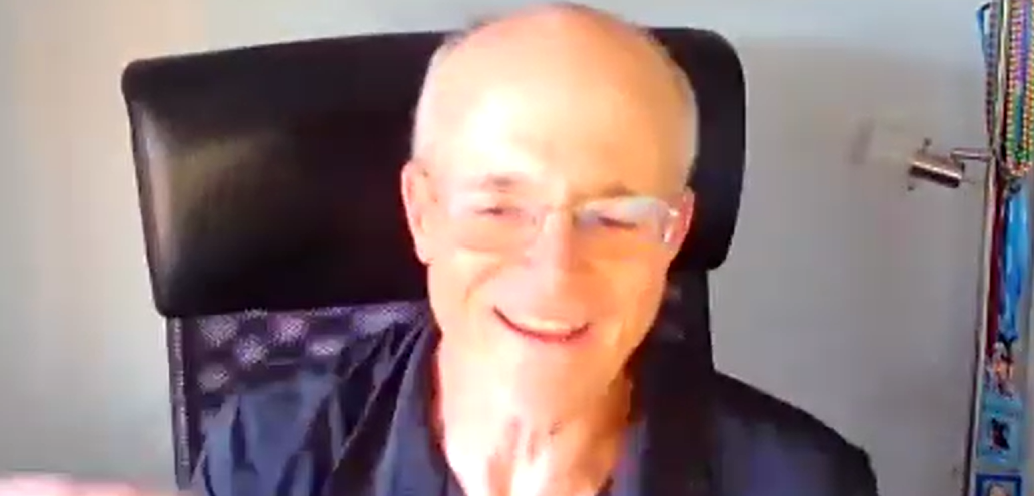
Photo Credit: Zoom / Molly Scheid
OpGov’s Kathrani inquires about the more specific details of in-lieu fees, focusing on the exact numbers behind the tripled fees and where that in-lieu visa money is allocated thereafter. McCorriston iterates that while he sought tripled fees, they amounted to about double in the end.
“[We] put it in reserve,” McCorriston assures of the in-lieu visa money, “And it's dedicated to low-income housing projects. We've used that throughout the city for various projects that I was explaining to you about, and only for low-income housing developments.”
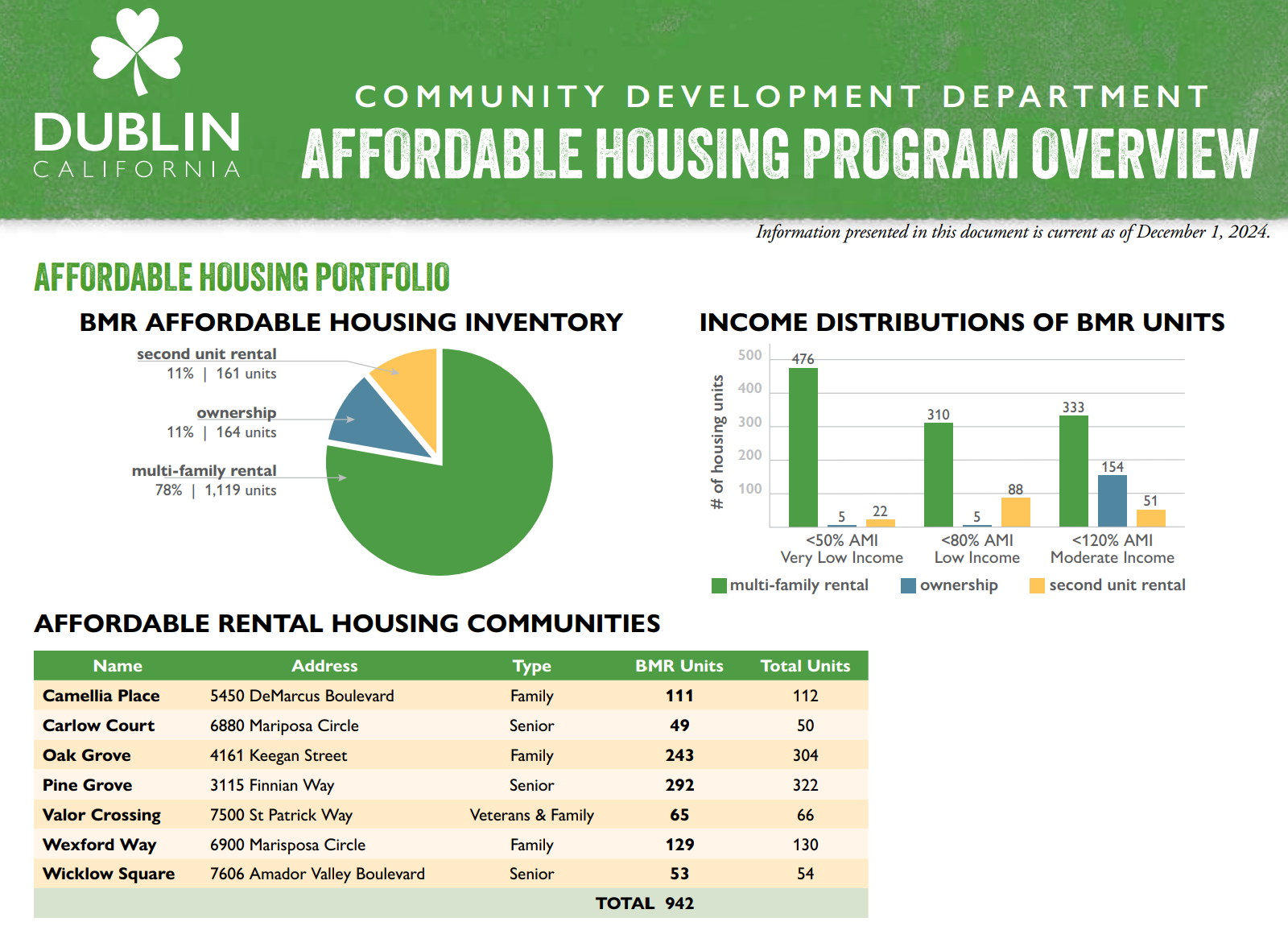
Photo Credit: City of Dublin / Mike McCorriston
As far as continued action for affordable housing, McCorriston says, “Some people are more prone to helping out on council than others. And that's another reason why I'm running.”
“The ownership, in my opinion, stops with the mayor. And that mayor needs to, if they're the face of the city, make sure that things are happening and there is some resolution,” he adds.
As far as Measure II goes, wherein Dublin Blvd. would extend based on a land donation, McCorriston is skeptical of how the project came to be, and whether the city is being responsible with the budget for it.
“There was this… historical legislation about keeping an open space,” he begins, “this whole measure… was about what to do, how to make that connectivity, and how to pay for that connectivity.”
Having narrowly passed, the measure was adopted 53% against 47%.
McCorriston shared about how he was most vocal about the project, especially concerning the wasted money to continue chasing a project that didn’t seem viable when it was pitched.
"I couldn’t see the benefit of this,” he says, “Anything and everything that we had better have substantial information… [and a ] convincing narrative to it.”
He continues to share that he first voted “no” on the measure simply because of the lack of information presented. Ultimately, he concludes, what matters to him is the taxpayer dollar.
Kathrani inquires about the appointment process should McCorriston be elected Mayor. As McCorriston was appointed before by the mayor who was elected from a council position, the process of appointing, rather than electing a new council member is particularly interesting.
"You were appointed in 2024, right?" Kathrani asks. "If that same situation happens if you become mayor, you'll be appointing another council member?"
"Yes; there are two options," McCorriston responds, "One is you appoint somebody, which will absolutely be the case; or two, you have a special election, and nobody wants that because they're expensive."
The age-old question in every interview then makes an appearance: “Why do you want to be the mayor of Dublin?” Scheid asks.
"A good mayor is going to have the depth of understanding and experience,” McCorriston answers, “...and how to manage growth in general.”
Aside from his experience sitting in many committees, especially managing water resources, he quotes a former mayor.
“He said, very clearly, ‘It's not about ribbon cutting. It's not about the pageantry! It's about the city, it's about the people’, and the leadership we have right now, it's more about, hey, look at me, look at what I am doing, but the understanding of what is needed has been pushed aside.”
McCorriston urges more action than words, saying, “There's a lot of work to be done. The city's done a tremendous job on their media outreaches, but it's more about get your feet on the ground, get out there, make phone calls, come on, Council, be engaged with your community.”
“Essentially, it’s about leadership, it’s about improving leadership, and it’s about gaining that respect. I think I can make an immediate impact on the landscape, so that’s why I’m running.”
If you would like to add to or correct any information in this report, please reach out to me at tracy.t@lead4earth.org.
0
1

Comments