(CHARLOTTE, NC.) – Charlotte City Council is scheduled to vote today, June 8, on a proposed moratorium on new data center development, a decision that has sparked debate among residents, industry professionals, and workers involved in the rapidly expanding sector.
The proposal comes as artificial intelligence companies and cloud computing providers continue investing billions of dollars into new data center construction across the country. Supporters argue the facilities are necessary to support modern technology and future economic growth, while opponents say local governments need stronger safeguards before approving additional projects.
Questions surrounding job creation, energy consumption, and infrastructure demands have become central to the discussion in Charlotte.
Russ Neale, a former chief marketing officer in the data center industry, told OpGov.News that local governments often evaluate data center proposals using economic development models that may not accurately reflect how modern facilities operate.
"The assumption is that local economic growth is always good," Neale said. "The question should be whether the benefits actually outweigh what communities are giving up."
Neale said municipalities frequently overestimate the number of permanent jobs created by data centers. While construction projects can generate temporary employment opportunities, he said long-term staffing needs are relatively limited once facilities become operational.
"The people hired are there to keep the machines running, and companies always drive for efficiency," Neale said. "Data centers are buildings full of computers, not people."
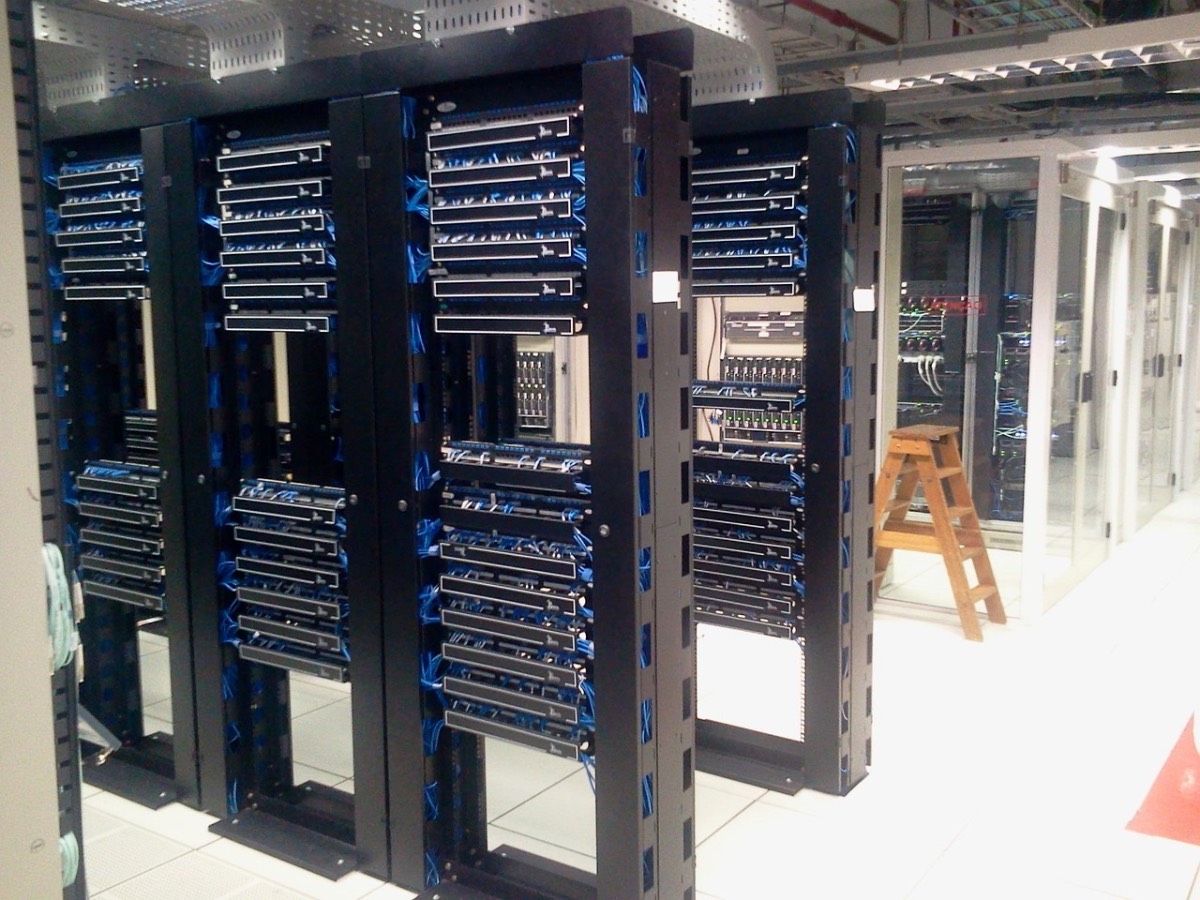
Rows of server racks operate inside a high-density facility, illustrating the automated, equipment-heavy nature of modern data infrastructure.
Photo Credit: WFAE
According to Neale, many of the highest-paying technical positions are often filled by workers recruited from outside the local community.
Construction-related jobs, while valuable, are temporary by nature and do not necessarily translate into long-term economic benefits.
Resource consumption remains another major concern.
Neale said local governments often underestimate the amount of electricity and water required to support large-scale facilities. He argued that municipalities should require more transparency regarding infrastructure costs and future utility demands before approving projects.
"I've never seen a local city council require a data center to pre-pay for power infrastructure improvements," Neale said.
He also suggested that local governments examine water consumption, lighting, and noise impacts alongside economic projections when evaluating future developments.
The concerns raised by Neale mirror many comments made by residents during recent public discussions surrounding the proposed moratorium.
Several residents questioned whether data centers deliver the jobs and tax revenue often promoted by developers, while others voiced concerns about environmental impacts and utility capacity.
Some speakers also raised concerns about environmental justice, arguing that industrial development has historically been concentrated in communities already facing infrastructure challenges.
Charlotte's debate reflects a broader national conversation about how local governments should approach data center growth. Similar questions regarding economic incentives, public resources, and development priorities were explored in OpGov.News reporter Pepper Mc'Quiffins' coverage from Pensacola, Florida, “Inside FloridaWest, PEDC, and the Data Center Fight,” which examined how local organizations and government entities have worked to attract data center investment while balancing community concerns.
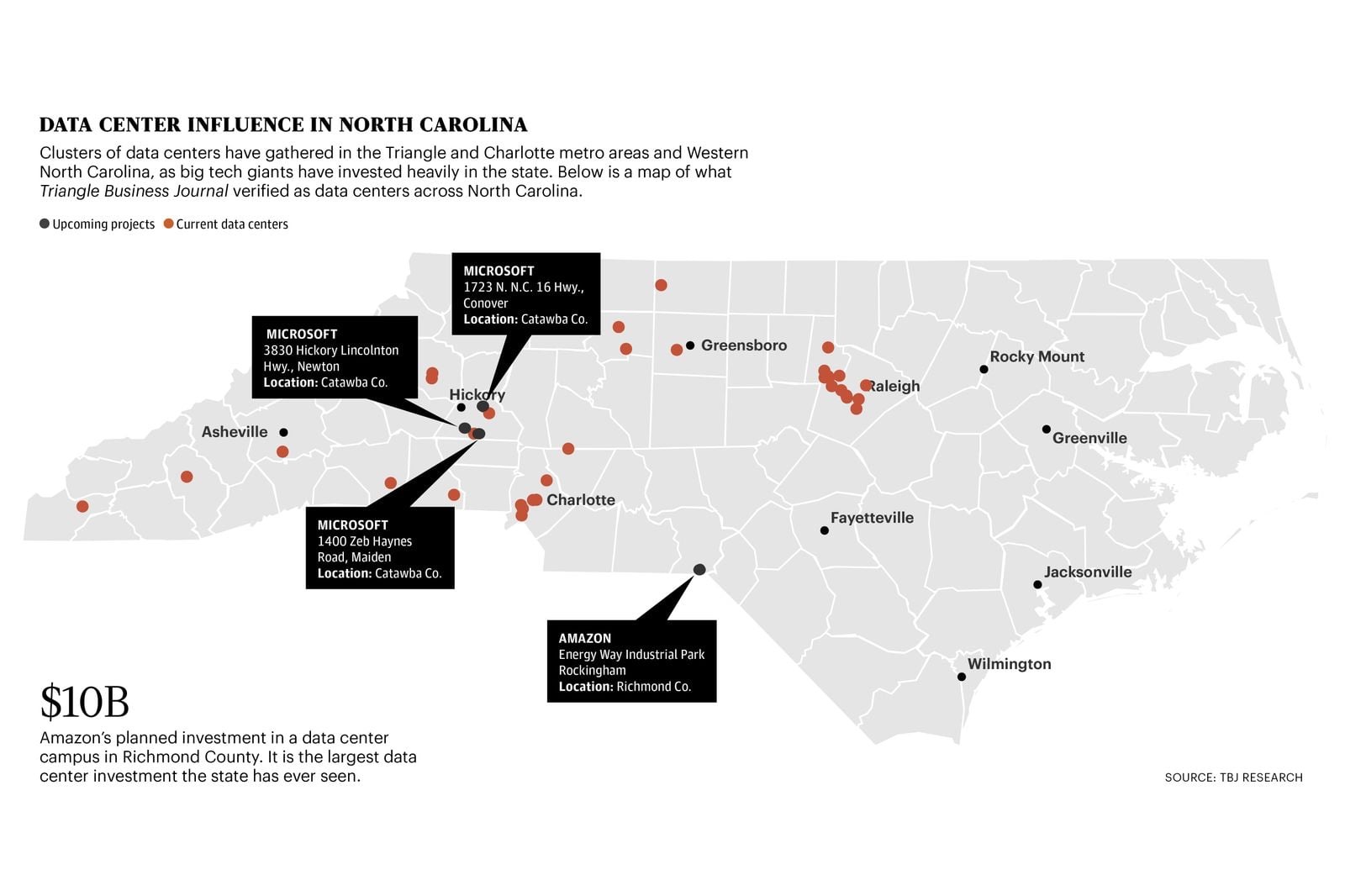
A regional map outlines the multi-billion-dollar footprint of current and upcoming data center developments across North Carolina.
Photo Credit: The Business Journals
Not everyone involved in the industry shares the same perspective.
An electrical worker currently involved in infrastructure projects supporting data center construction in the Charlotte area, who requested anonymity because he was not authorized to speak publicly about ongoing projects, said the facilities represent some of the largest projects he has encountered in his career.
"I am currently working on the electrical infrastructure that will power the data centers, including running electrical lines both underground and overhead," the worker told OpGov.News. "The scale and complexity of the work are much larger than most traditional electrical projects I've worked on."
The worker said the projects require extensive electrical infrastructure and often operate under aggressive construction schedules.
"The size of these facilities is massive, both in terms of power demands and overall infrastructure," he said.
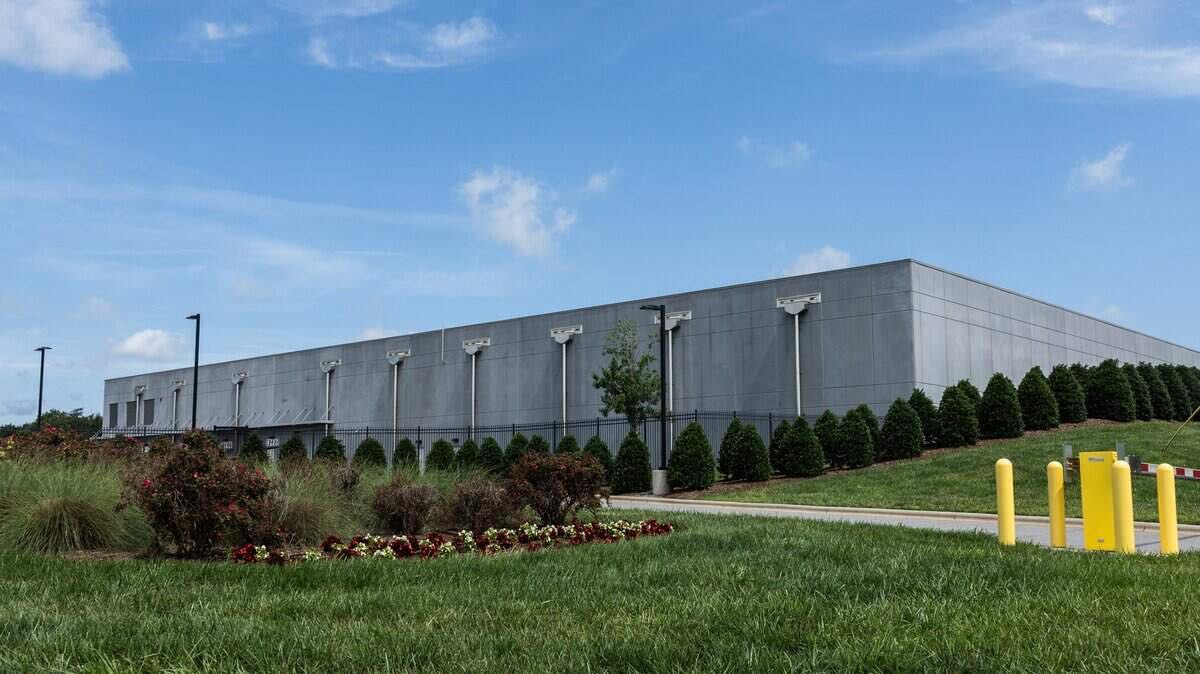
The industrial exterior of a modern data center highlights the massive physical scale and heavy infrastructure footprint required by the tech sector.
Photo Credit: Charlotte Observer
While acknowledging concerns surrounding artificial intelligence and rapid expansion, the worker said most employees remain focused on completing projects and supporting their families rather than discussing broader policy questions.
"Most people on-site are focused on the work itself and providing for their families," he said.
The worker also expressed concern about the pace of AI-related development and the expectations surrounding emerging technologies.
"It's scary," he said. "AI does not work well enough to warrant all of this. People are losing their jobs and being replaced by promises from a system that actually is not in place."
The Charlotte City Council has recently emphasized the importance of data-driven decision-making when addressing issues related to growth and development. In OpGov.News' June 5 article, “Charlotte City Council Seeks Greater Data Transparency Across Housing, Transit and Development Decisions,” council members discussed the need for stronger data collection and analysis to guide future planning decisions.
Neale said he is not opposed to data centers themselves, but believes local governments should negotiate more aggressively with developers and require greater accountability regarding infrastructure costs and resource consumption.
"We do need data centers," Neale said. "I want our government to negotiate from a position of strength."
If approved, the temporary pause would provide city leaders additional time to study potential regulations and evaluate how future projects could affect local infrastructure, utility systems, and surrounding communities.
To add to or correct any information in this report, please contact victoria.o@lead4earth.org.
Thumbnail Photo Credit: WFAE
0
1

Comments