(PENSACOLA) --- The Affordable Housing Committee continues accessory dwelling unit (ADU) talks.
The July 8 discussion was similar to the talks at the May and June meetings. How can Pensacola implement more density and accessory dwelling units to provide more housing here? Board members referred to St. Petersburg and Tallahassee policies, with Chair Crystal Scott introducing the two as “super interesting examples.”
“I know some of the discussion last month was around the educational component if you’re a homeowner or developer,” Scott said, adding that the goal is to provide a step-by-step guide to the city council. “This Tallahassee example is pretty neat because it describes what an ADU is.”
By definition, Scott said it is a unit that creates affordability and a smaller footprint before asking her peers for further “incentives” or recommendations for the city council. Board member Keith Branch, with Good Foundations Inc., said “the first thing that comes to my mind would be to somehow tie it (ADUs) to the rollout of the new land development code.
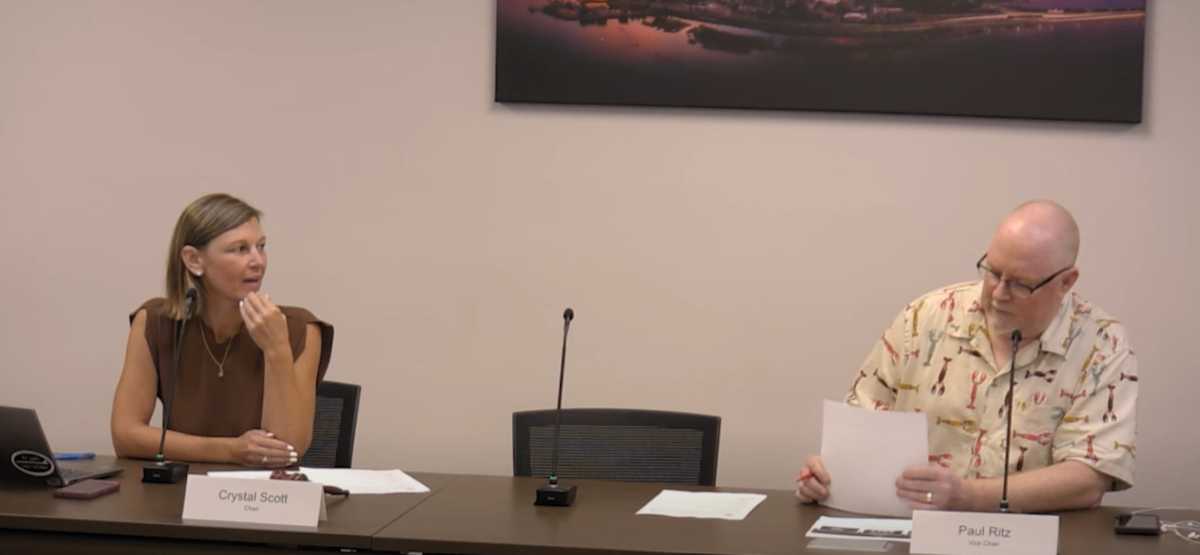
(Photo: Affordable Housing Committee board members Crystal Scott and Paul Ritz at the July 8 meeting)
“Here are some tips and things to think about,” Branch suggested. “Separate addresses, separate power meters.”
That would entail having a marketing outreach team to incorporate the language into the new code, Branch added.
“The land development code brings a spotlight to what we are trying to do here, but also possibly provides people the ability to get more engaged with the code itself,” Branch said.
Scott agreed, deferring to Housing Director Betsy McDonald on the land development code timeline.
“I do believe we are getting close,” McDonald said. “The last update I heard was they were meeting individually with council members to review the plan.”
According to Board Member Paul Ritz, the Planning Board Committee meeting on Tuesday, July, 14, will hold a vote on the proposed code.
“City council would have it on their agenda starting in August,” Ritz said, adding that it is a two-reading agenda item before it is approved. “It will be in two city council meetings before it is enacted.”
According to Ritz, the code has little change regarding ADU’s, but Branch noted there were “multi-unit oriented changes relevant to what we do here.”
“There are certain zone parcels that will not now be able to have more units built on them than they were previously,” Branch said.
Board member Ed Brown wanted to know if the “land code thing left the station,” then what is the Affordable Housing Committee left to recommend regarding ADUs?
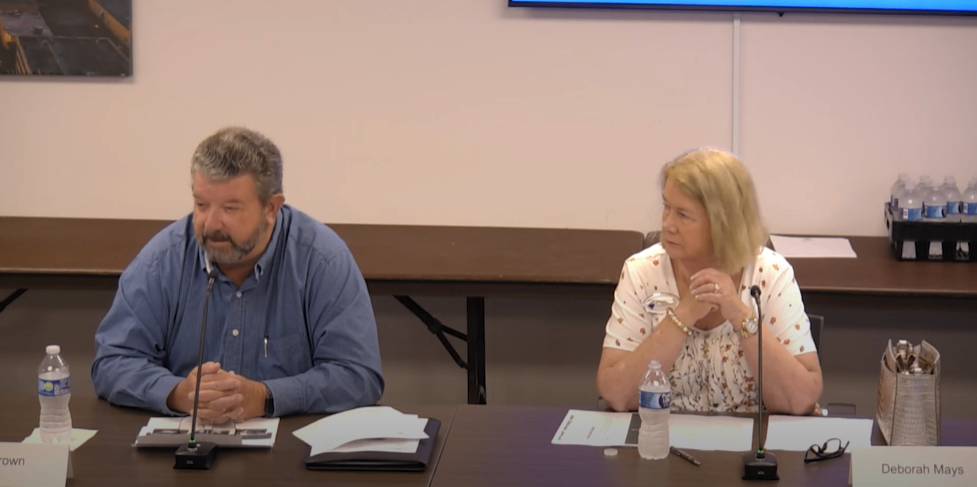
(Photo: Affordable Housing Committee board members Ed Brown and Deborah Mays at the July 8 meeting)
Scott said she hopes they can “help summarize all of the discussions we have had around ADUs”s and how the educational component is missing."
“Even though the City of Pensacola allows ADUs, we have found that they are not being used, so in our recommendations, it would be that city staff place emphasis on the educational components,” Scott said.
Additionally, density incentive bonuses were discussed, with Brown noting they are often seen in larger cities. Housing Director McDonald said Pensacola's density incentive bonus has not been offered to a contractor in the past 5 years. Ritz recalled the 2021 incentive bonus for Cypress Street development, saying, “It led to much discussion on the planning board and, in the end, they chose not to do it because of financing and other issues."
“Developers do not see it as beneficial to their plans,” Ritz said.
Resident Leslie Yandell said while discussing communications, “One of the first things you have to do is know your audience.”
Yandell said while developers and financiers are more informed on the land code, “John Q. Public” is not.
“We have had the ability to do ADU”s forever, but people haven’t been using it or even talking about it until the affordable housing prices came up,” Yandell said.
Yandell said that while “we have lots of examples from around the state,” the lack of communication here could be why Pensacola does not see more ADU’s.
“So it’s communication and incentives and making people aware of them,” Yandell said, adding that collaborating with the Community Redevelopment Agency on ADU’s could also help.
The board members decided to have their reccomendations to the city council by October, or possibly earlier if time permits.
0
0

Comments