(PENSACOLA) --- Every animal that ends up at the Wildlife Sanctuary of Northwest Florida is there because someone took the time to stop, pick it up, and ask, "How can I help?"
“Our job is to make sure there's always an answer to that question,” Leah Shultz said.
(Photo Credit: Wildlife Sanctuary of Northwest Florida)
The sanctuary development coordinator will also be the first to tell just how the sanctuary was founded in 1982 by Nancy Treiber, who recognized the region needed a place where injured and orphaned native wildlife could receive care, especially in the aftermath of major storms.
“At the time, there were very few resources available, leaving compassionate community members with nowhere to take animals in need,” Schultz said. “Nancy partnered with a local veterinarian to create a solution, and the Sanctuary was born.”
More than 40 years later, the Wildlife Sanctuary of Northwest Florida remains home to an extraordinary number of ecosystems, Schultz said, adding that “a global landmark for diversity, from beaches and dunes to longleaf pine forests, wetlands, and estuaries,” is the perfect spot for the safety haven.
“These systems support hundreds of species of birds, mammals, reptiles, and amphibians, more than most places in the entire world,” Schultz said. “As development continues to expand throughout the region, so do human-wildlife interactions.”
At the end of the day, the sanctuary exists because people care about wildlife, according to the development coordinator.
(Photo Credit: Wildlife Sanctuary of Northwest Florida)
“Over the past four decades, the Wildlife Sanctuary has grown from a small rehabilitation effort into one of the highest-volume wildlife hospitals in the Florida Panhandle,” Shultz said. "As more people turned to us for help, we expanded our capabilities to provide specialized medical care, rehabilitation, and a dedicated nursery for thousands of orphaned birds and mammals that arrive each spring and summer.”
The sanctuary does much more than save wildlife; it educates humans.
“As we grew, we also realized that treating wildlife was only part of the solution,” Shultz said. “Today, education stands alongside rehabilitation as part of our core mission.”
(Photo Credit: Wildlife Sanctuary of Northwest Florida)
Through field trips, ambassador animals, outreach programs, and self-guided tours, the sanctuary creates a community of caring no matter what time it is.
“Wildlife emergencies don't wait for business days,” Shultz said of the facility open seven days a week from 8:00 a.m. to 5:00 p.m. “Our community has a dependable place to bring injured and orphaned wildlife as quickly as possible.”
Timing is everything when it comes to saving life. Shultz explained birds can decline rapidly from stress or dehydration, and orphaned baby birds require frequent feedings in 15-minute cycles.
Like humans, animal injuries have much better outcomes when treated early, according to Shultz, who said, "being available every day, we give thousands of native animals each year a second chance to recover and return to the wild.”
(Photo Credit: Wildlife Sanctuary of Northwest Florida)
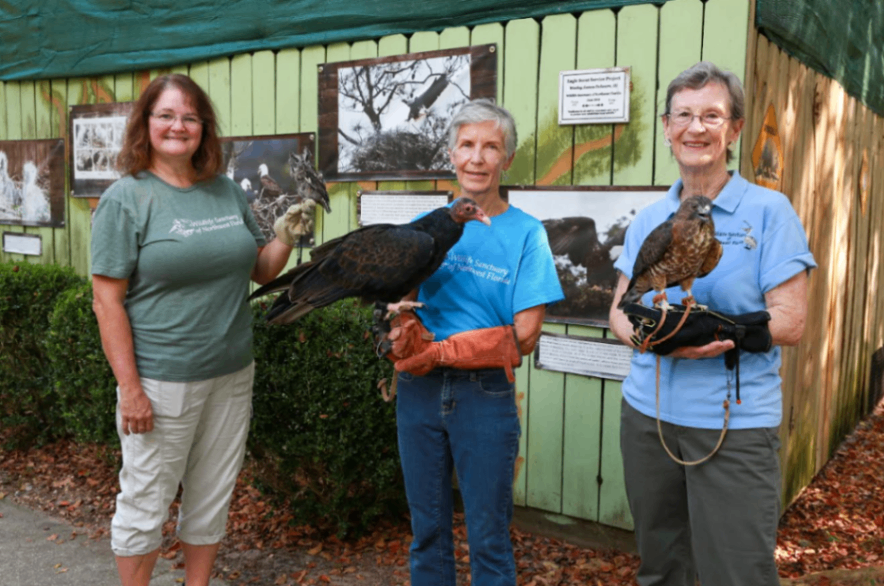
The sanctuary is set apart by free self-guided tours, which invite visitors to meet permanent ambassador animals and learn about the patients currently receiving care. Shultz said visitors discover simple ways they can make a positive impact for wildlife each day.
“It's an opportunity to connect with the incredible native species that call Northwest Florida home,” Shultz said. "Education is one of the most effective conservation tools we have.”
The development coordinator said the simplest moves make the difference of a lifetime.
“Whether someone learns to properly dispose of fishing line, plant native species, keep pets from harming wildlife, or even recognize when a young animal doesn't need to be rescued, those small actions can save countless lives and help keep our local ecosystems healthy,” Shultz said.
The local “sanctuary simply could not exist successfully without the support of our community,” Shultz said, adding that volunteers contribute thousands of hours each year.
Whether it is caring for patients, preparing diets, assisting with education programs, or maintaining facilities, volunteer generosity allows the sanctuary to provide the level of care the patients deserve.
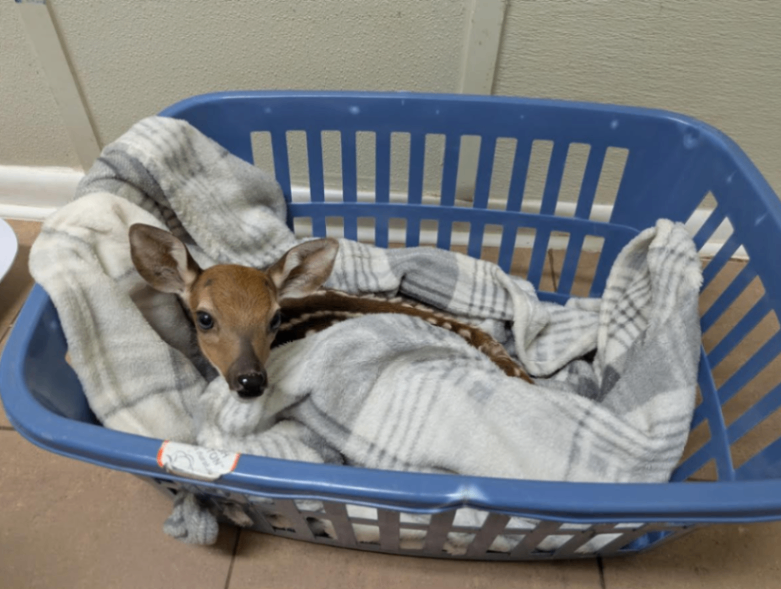
(Photo Credit: Wildlife Sanctuary of Northwest Florida)
“As a nonprofit organization and free community resource, we rely on financial support from individuals, businesses, and community partners,” Shultz said. “Every donation, whether it's time, supplies, or monetary gifts, helps provide lifesaving care for native wildlife while ensuring we can continue educating our community for years to come.”
Schultz said growth and conservation don’t have to compete.
“Conservation also isn't about choosing wildlife over people; it's about creating communities where both can thrive,” the development coordinator said. “As Northwest Florida continues to grow, we have an opportunity to grow thoughtfully, using modern engineering ideas to build and ensure the protection of the beaches, forests, wetlands, and waterways that make this region feel like home.”
For more information on visiting, volunteering, or donating to the sanctuary, 105 N S St., Pensacola, contact Shultz at outreach@pensacolawildlife.com.
0
0

Comments