(OPGOV GLOBAL) – Glucagon-like peptide-1 (GLP-1) medications are a health trend we may never see the end of. They’ve been prescribed to help at-risk patients lose weight safely and effectively, reducing the risk of heart attack and stroke, serious complications of type II diabetes, and more.
How they work is clever: in short, the drugs help the pancreas release the appropriate amount of insulin when food is consumed. They are designed to be supported and accompanied by weight-bearing exercise and a complete nutritional diet, which helps to maintain the body’s systems as rapid weight loss takes place.
The weight loss in question can be gradual to very expeditious, depending on the amount of care a patient takes in maintaining the above accompanying guidelines. However, rapid weight loss can come with serious consequences – especially for patients who already fall into at-risk categories.
One of the side effects associated with the rapid weight loss that accompanies GLP-1 medications is hair loss.
Called incident alopecia, the condition is most often temporary, and can be triggered by rapid intentional (or unintentional) weight loss. The issue with this type of alopecia is that the more weight a person loses rapidly, the more significant the hair loss may be.
A 2024 study based in Seoul suggests just that. It states that hair loss “induced by weight loss occurred at a mean percentage of weight loss of approximately 15.21% or a mean rate of weight loss of approximately 3.54 kg/month.” This is a significant figure outlining a base understanding of how weight loss is correlated directly with weight loss in general.
Newer studies that examine how GLP-1 medications specifically impact hair loss are now available. Their outcomes are even less desirable for patients who value the thickness of their hair.
A more comprehensive 2026 study from researchers at the University of Pennsylvania found that patients taking GLP-1 medications for type 2 diabetes are more likely to experience hair loss than similar patients taking other inhibitors for weight management.
Of the reported side effects of GLP-1 medications, hair loss is one of the most concerning for patients who struggle with body image disorders.
So, what can be done to combat hair loss associated with this class of medications?
Coincidentally, medications to treat hair loss are also taking pharmaceutical markets by storm.
The drug minoxidil isn’t necessarily new; it’s been seen historically under brand names such as Rogaine and Hairgro. These products have largely been used in topical applications, but most recently, brands have taken to using minoxidil in a compounded capsule format, making it easier to take and safer to use for people with pets.
Those with high blood pressure might recognize the name, and that’s because minoxidil actually belongs to a class of drugs called antihypertensives. However, it’s being prescribed for off-label use to treat hair loss.
Minoxidil is, more recently, being compounded with other ingredients to create customizable treatments for patients with hair loss. This use is not FDA-approved, but it’s already been in practice for several years.
The issue with it is that while around 80% of patients in a clinical review from the Cleveland Clinic experienced no adverse reactions, the other 20% certainly did.
Reported side effects varied. According to the review, “Hypertrichosis, the most common side effect, appeared for 15.1%. Systemic adverse effects affected a total of 5.5%, and included light-headedness, fluid retention, tachycardia, headache, periorbital edema and insomnia. In most cases, patients experiencing side effects were able to continue treatment with an adjustment to dosage.”
These complications could be the result of contraindications, but the biggest concern now, with weight once again at the forefront of pop culture, is water retention.
We already know that vasodilators can cause weight gain secondary to fluid and salt retention, sometimes to a rather detrimental degree. This retention can be debilitating, causing other unpleasant symptoms that are associated with the excess fluid and salt buildup.
Both of the aforementioned drugs are now available online with minimal supervision from real providers who have a clear, full understanding of a patient’s health. They can both be obtained by prescription online, primarily after taking a short “quiz” to determine basic health information.
Now that it’s easy for anyone to access GLP-1 drugs and hair loss drugs like minoxidil, it stands to reason that the two could be mutually beneficial to each other.
Hims is one such brand that stands to profit significantly from the drug synergy created by the need to use each of the two drugs to treat side effects of the other – and it’s very easy to acquire both from its website.
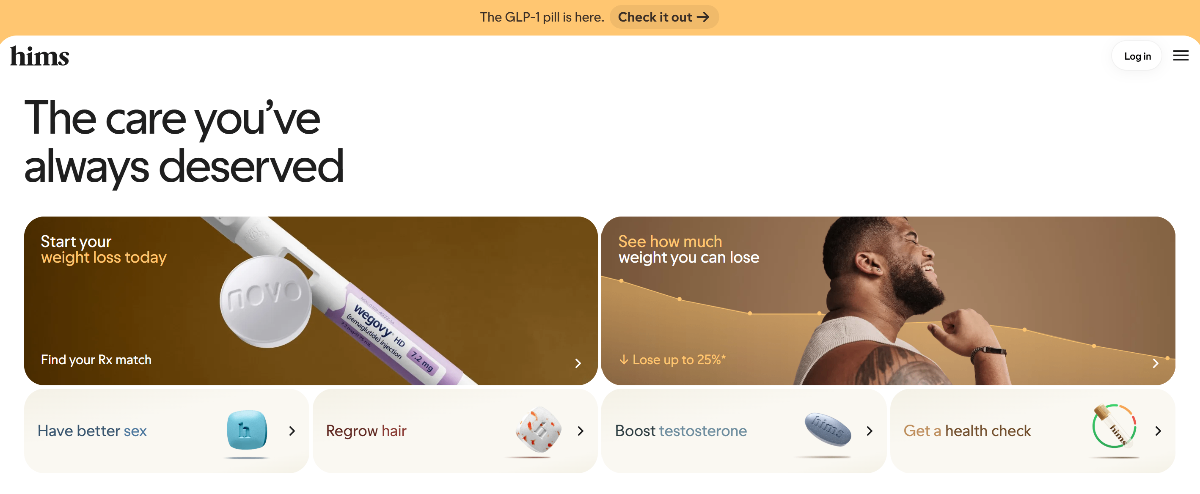
Photo Credit: Hims
Has the pharmaceutical market become so competitive that companies like Hims profit from the potentially harmful side effects of certain drugs in combinations like this? It would appear so. This company alone reported profits of “approximately $753 million, up 38% year-over-year in Q2 2026,” according to the investor relations section of the website.
This company is rivaled by others such as Ro, Mochi, and Noom.
Provider supervision is dwindling. Profits are rising. People are benefiting from these drugs, but it’s impossible to properly count how many have paid even more to treat side effects for the results they want.
To add to or correct any information in this report, please contact me at tracy.t@lead4earth.org.
0
0

Comments