CeraVe, the dermatologist-popular skincare line owned by French cosmetics giant L'Oréal, is again drawing scrutiny after viral posts on TikTok, Instagram and Facebook claimed the brand is "being sued for a cancer-causing chemical." The claim is rooted in real litigation, but the full picture is more complicated than the headlines suggest — and the central allegations remain unproven in court.
Here is a fact-based breakdown of the lawsuits, the science they hinge on, and what federal regulators concluded when they ran their own tests.
What the lawsuits allege
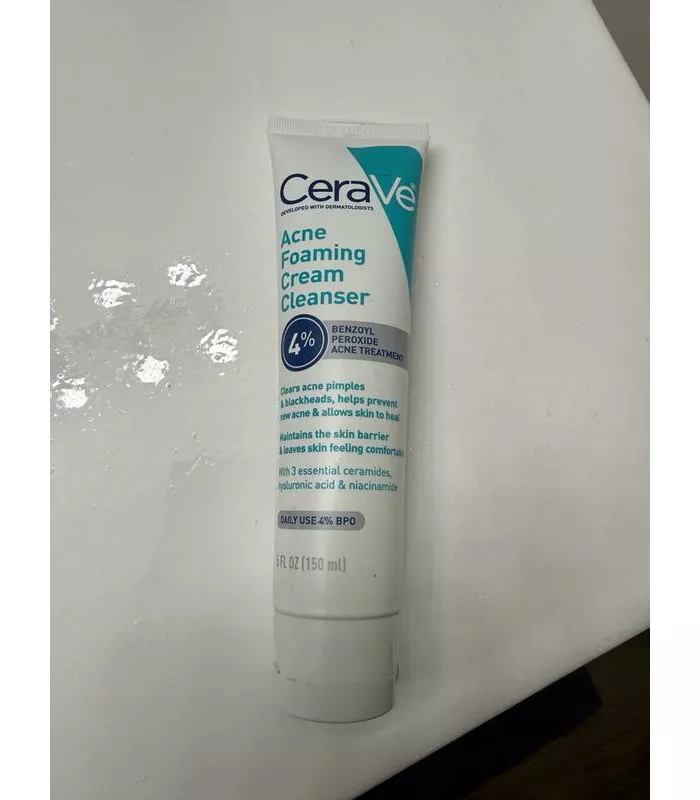
L'Oréal USA, CeraVe's parent company, faces a series of class action lawsuits — roughly half a dozen by most counts — tied to two acne products: the CeraVe Acne Foaming Cream Cleanser, which contains 4% benzoyl peroxide, and the CeraVe Acne Foaming Cream Wash, which contains 10% benzoyl peroxide.
The complaints allege that benzoyl peroxide (BPO), the active acne-fighting ingredient in these products, can degrade into benzene — a known human carcinogen linked to leukemia and other blood cancers — under certain storage and temperature conditions. Plaintiffs allege the products were not adequately labeled to warn consumers of that potential risk, and they are seeking damages and class action certification.
Crucially, the suits do not allege that benzene was an intentional ingredient. The legal theory centers on the chemical stability of benzoyl peroxide — the claim that it can allegedly break down into benzene over time, particularly when exposed to heat — rather than on deliberate contamination.
These are allegations. Filing a lawsuit does not establish that the claims are true, and as of publication no court has issued a final ruling that CeraVe products caused harm or violated consumer protection laws.
How the controversy started
The dispute traces back to March 5, 2024, when Valisure, an independent testing laboratory founded by former Yale researchers, submitted a Citizen Petition to the U.S. Food and Drug Administration. Valisure reported finding benzene in numerous benzoyl peroxide acne products and asked regulators to investigate and recall affected items.
According to the petition, Valisure's testing found elevated benzene when BPO products were incubated at temperatures of 37°C (98.6°F, roughly body temperature), 50°C (122°F) and 70°C (158°F, comparable to a hot car). In the CeraVe products named in subsequent litigation, benzene was allegedly measured at levels ranging from 5 to more than 12 parts per million — above the FDA's conditional limit of 2 parts per million for the chemical.
A wave of lawsuits followed within weeks. Among the earliest was Grossenbacher v. L'Oréal USA Inc., filed in federal court in Louisiana in March 2024, along with additional complaints filed by plaintiffs in states including Hawaii and Missouri. Plaintiffs later sought to consolidate the related cases, though the federal Judicial Panel on Multidistrict Litigation declined to combine them into a single multidistrict proceeding.
What the FDA found
A key piece of context frequently absent from viral posts: the FDA conducted its own testing after the Valisure petition and lawsuits drew national attention.
On March 11, 2025, the agency announced results from testing 95 benzoyl peroxide acne products. The FDA reported that more than 90% of the products tested contained either undetectable or extremely low levels of benzene. Only a small number showed elevated levels, prompting a limited set of voluntary, retail-level recalls.
CeraVe was not among the products flagged for recall. Neither the CeraVe Acne Foaming Cream Cleanser nor the Acne Foaming Cream Wash appeared on the FDA's list. The products that were voluntarily recalled at the retail level included La Roche-Posay Effaclar Duo Dual Action Acne Treatment, Walgreens Acne Control Cleanser, two Proactiv products (Emergency Blemish Relief Cream and Skin Smoothing Exfoliator), SLMD Benzoyl Peroxide Acne Lotion and Walgreens Tinted Acne Treatment Cream. Zapzyt Acne Treatment Gel was separately recalled by its manufacturer.
The FDA characterized the cancer risk from the benzene levels it detected as "very low," stating that even daily use over decades would contribute only a very small increase to a person's lifetime cancer risk. The recalls were described as actions to pull specific lots from store shelves; the agency did not instruct consumers to discard products already in their possession.
The absence of a recall does not necessarily mean a product contained zero benzene. But the FDA's findings were substantially narrower than the alarm raised in the original Valisure petition.
Questions about the testing
The gap between Valisure's findings and the FDA's results has become part of the story. Valisure's most striking benzene measurements were produced after heating products to temperatures as high as 158°F — far hotter than typical storage or use. Independent experts, including cosmetic chemist Dr. Michelle Wong, have argued that such high-heat conditions do not reflect real-world use, which may help explain why the FDA's own testing detected far lower levels.
The FDA also cautioned that unvalidated testing methods used by third-party laboratories can produce inaccurate results and potentially overestimate benzene levels.
Valisure itself has faced questions about potential conflicts of interest. The lab sells independent product testing and has filed a series of benzene petitions — covering hand sanitizer, sunscreen and other categories — that were repeatedly followed by class action lawsuits, and some manufacturers have questioned its ties to plaintiffs' attorneys. None of that proves the underlying chemistry is wrong, but it is relevant context when weighing the claims.
What this does — and doesn't — cover
It is worth being precise about scope: the litigation and benzene concern apply only to CeraVe's benzoyl peroxide acne products. The brand's standard moisturizers and hydrating cleansers do not contain benzoyl peroxide and are not part of these lawsuits.
The bottom line
L'Oréal does face ongoing class action litigation alleging that certain CeraVe benzoyl peroxide acne products could degrade into benzene and were not adequately labeled. Those allegations have not been proven in court. At the same time, the FDA's independent testing did not identify CeraVe among the products recalled, found that most tested products carried undetectable or very low benzene levels, and assessed the associated cancer risk as very low.
The viral framing that CeraVe is "being sued over a cancer-causing chemical" is technically anchored to real lawsuits but strips away the regulatory findings and the unproven status of the claims — context that materially changes the picture for consumers.
This article summarizes publicly reported litigation and regulatory information as of June 2026. The lawsuits described involve allegations that have not been proven in court; nothing here should be read as a statement that any company acted unlawfully or that any product is unsafe. This is not medical or legal advice. CeraVe, La Roche-Posay, Proactiv and other brand names are trademarks of their respective owners.
Sources: U.S. Food and Drug Administration (March 2025 benzoyl peroxide testing announcement); Valisure Citizen Petition (March 2024); court filings including Grossenbacher v. L'Oréal USA Inc.; American Acne and Rosacea Society; reporting from Bloomberg Law, Snopes and Fact Crescendo.
0
1

Comments