(TALLAHASSEE, FL.) -- Florida lawmakers concluded their Regular Legislative Session without an agreed-upon budget.
Now, lawmakers will return to Tallahassee in April to attempt to resolve a budget proposal.
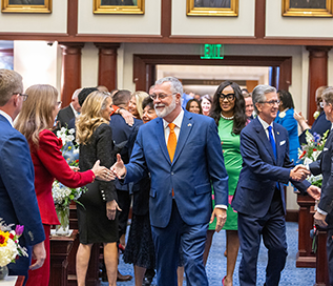
Photo Credit: flsenate.gov
If a budget is not passed by Jul. 1, Florida will experience a government shutdown. If a shutdown does happen, non-essential agencies will lose their spending ability, and essential workers will lose their paychecks.
65,000 people in Tallahassee are employed by the government, making up 31% of the local workforce.
FSU and FAMU employees are also government workers and could be affected. Leon County Schools will also be affected by the legislative session.
With a third of the workforce out of the office or out of a check, the private sector could see residual effects of the shutdown. The potential shutdown also threatens the state employee pay raise, which has been a part of negotiations.
The county has already approved $7.8 million in budget cuts in preparation for insufficient funding. In the event of a shutdown, further cuts would be needed.
A worst-case scenario would include rerouting funding from every non-essential expense schools incur, including sports. Although we are less than three months away from the worst-case scenario, it is still unlikely.
A Special Session is expected to be scheduled for April, and if it does not result in a passed budget, one will be scheduled for June.
Florida’s House and Senate budget has several discrepancies in the way of finishing a deal, and the Senate submitted a budget that would give state workers a raise, while the House budget kept salaries constant.
The House also wanted to change the prescription drug list for state employees, which would save an estimated $126 million.
The House wants to allocate $100 million to the Governor's emergency fund, much less than the $250 million provided in the Senate’s plan.
The House has been generally more frugal than the Senate in its 2026 budget plans. However, the House has plans to eliminate non-school-related property taxes.
As negotiations continue, the governor will also be involved. The governor has the ability to line-veto any parts of a bill, with a two-thirds majority of legislatures needed to override the veto. He also sets the agenda for the special meetings, meaning he can control what gets voted on.
Governor Ron DeSantis has also called for a Special Redistricting Meeting, which will start on Apr. 20.
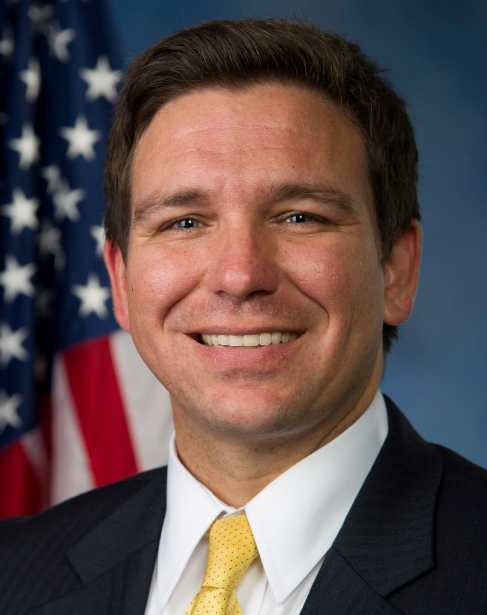
Photo Credit: Executive Office of The Governor / Florida Governor Ron DeSantis
The meeting follows several states' efforts to make their map more favorable to their leading political party.
Redistricting usually occurs once a decade, after the federal census takes place. Florida most recently redrew congressional lines in 2022 and gained a 28th seat in the House of Representatives.
A lawsuit filed by the National Redistricting Foundation (NRF) sued the governor in an attempt to prevent the potential redistricting. The Florida Supreme Court unanimously threw out the lawsuit, stating the governor is within his rights to call the meeting.
If you have any questions or concerns, please comment and email me at jason.f@lead4earth.org.
0
0

Comments