Are you sensing a growing polarization? Do you notice that we are super susceptible to "double think"? Does it seem like our centralized governing and regulatory bodies are "captured" and shamelessly corrupt?
Since 2016, I've been on a journey to understand how one of the most prestigious offices in the world was handed over to someone who may have some severe mental illnesses, including GREED. What I found is that he wasn't the only one suffering from GREED (thanks Dr. Jay Slosar, Psychologist) . Many of our modern political stalwarts are beacons of greed, corruption, and nepotism. Moral and ethical virtues are hard to find in our political leaders, especially at the national level. And when you do find them, they are constructed by PR and media firms that are well versed in social and behavioral psychology. Most of us are ill-equipped to even notice how we are being programmed by news media and social media blitzing, let alone resist the brainwashing.
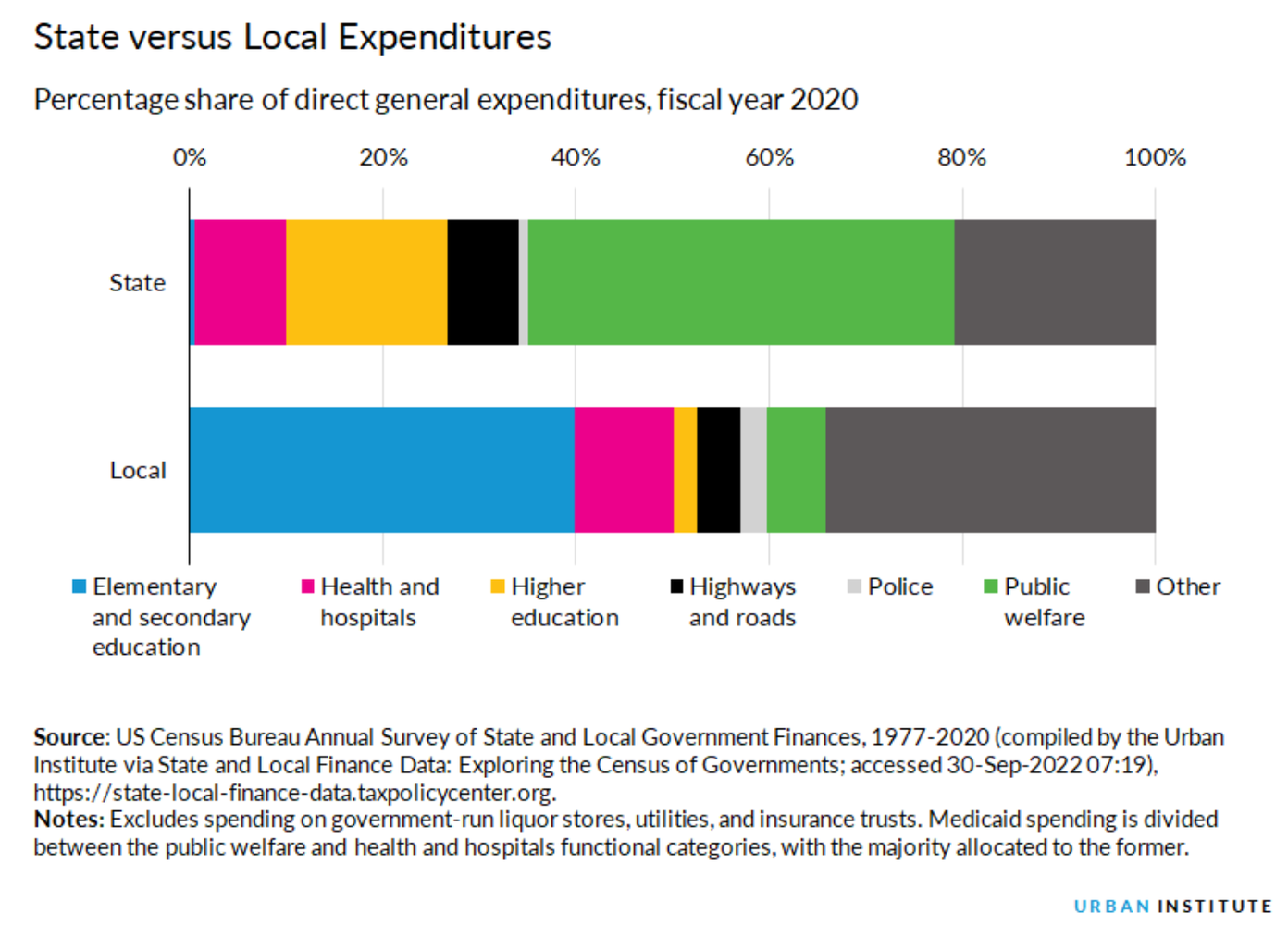
In 2019, I learned about the power of local government. We don't learn about that in government class in high school. Do you remember learning about how the City Manager operates in city governments (thank you Joel Kotkin)? Did you know that around $3-4 trillion taxpayer dollars is spent by city governments every year (thank you Urban Institute)? Did any of us attend city hall meetings or committee/commission meetings when we were in high school so we could learn how the system we swim in functions? Why? Why are we so civically illiterate, even the most educated of us, ESPECIALLY the most educated of us?
I was living between the Bay Area and Los Angeles at the time. So I attended city hall meetings in Alameda and Los Angeles. Initially, I attended in the spirit of an amateur social scientist. I observed and took notes. I noticed how hardly any community members would attend committee and commission meetings (unless they were complaining about something). I noticed that the main city hall meetings were facilitated in non-indigenous/colonial methods, often ignoring the comments made by public and sometimes even making decisions that were contrary from what the collective public response or ask was. I also noticed that there was hardly any accessible digital infrastructure for the public to be aware of what was happening in these meetings if they were unable to attend. Think about it; why don't you attend your city hall meetings? Maybe you're tired from working all day, or taking care of your kids, or just need to rest at the end of the day. Yet, despite all our technological and social media innovations, there was no review or recap available for the public to be aware of what happened or what is happening to their community. How come we can get a diversity of recaps and reviews for the Kardashians, but there is hardly any local knowledge about decisions that affect our children, the energy systems, the internet systems, and much more.
In 2020, things around the world shifted overnight. Lockdowns created a potential opportunity for us to be much more civically engaged, especially at the local level. For the first time ever, some local civic meetings were accessible over ZOOM. This meant that folks could attend all the city meetings in the comfort and luxury of their homes. I would attend the meetings on walks at the beach or the forest. I even made public comments through ZOOM, sometimes even playing my bansuri flute to balance all the frustration that was lobbed at city officials. I was hopeful that people would be inspired to attend more city meetings and learn how local government was much more in control of their every day lives than the federal government. I was wrong...
Even though I was wrong about local participation increasing, I was able to resonate and convene with folks in my social media sphere. We created an ongoing working group to discuss and collaborate on developing technology that could teach civic literacy, empower community, and create more accessibility to local government engagements. We met regularly online, interviewed luminaries like Tom Atlee, and regularly consulted with social scientists, economists, and grassroots leaders. Eventually, we crystallized a cooperative business (of mostly engineers) called SOGO (SOcial GOvernment) and started coding the DemocraSEE platform. We were excited to be able to build something we could test in local communities.
In 2020, I also started getting mentorship from an 83 year old community activist, Buddy Akacic in El Cerrito, California. He introduced and inspired me to apply to be a Commissioner in the Human Relations Commission of El Cerrito. I'm so grateful for that nudge. It allowed me to conduct more research, but WITHIN the local government system. I quickly learned about how insecure, unhealthy, and inefficient city staff are (despite making between 100k - 200k a year, paid by taxpayers). I also witnessed first hand the resistance of evolving a broken system: homeless people were dying in the street, the elderly in the community were being denied services, and the local library was being threatened with closures. Yet, when I invited the community to offer ideas and solutions, they were faced with censorship. Even I got discriminated against because I challenged the status quo (of "doing nothing"). I'll never forget a private meeting I had with the Mayor and City Manager where they said "people are always going to complain" - that was unacceptable to me as a response to people's worries and concerns. There was almost a class dehumanization between local government and the people they are supposed to represent and support.
Meanwhile, we (SOGO) developed a well-researched systematized strategy to turn a community's frustrations/concerns/anger into policy. We started seeking funding to create a much more constructive and rewarding NEXTDOOR kind of platform. We started with a deep moral compass, uninterested in making money off of data or selling the company after we grow. This resulted in zero funding. We applied for grants from organizations that market they want to support democracy. They ignored us and rejected us, despite our organization being democratic, cooperative, and diverse.
Growing up, I was the kid with big Harry Potter glasses. I was often picked last for football or basketball. It made me really resilient. In fact, to this day, I choose to be the underdog, rather than the "stacked" or privileged team. When I was picked last, it motivated me to "show everyone" what I'm really about. I channeled that frustration and anger into victories and epic moments of making the school jock(s) look silly, getting juked by the nerdy, turmeric-smelling Indian kid. Often times, these moments were the only reconciliation I had for the racism and discrimination I experienced from classmates AND teachers/administrators. Today, I still feel this strongly. I notice how some folks get tons of funding for ideas and projects that lead to little systemic or structural change. I notice think tanks getting funding for more thinking, not doing. I notice rotating nepotistic cycles, and I also notice the karmic suffering of those who participate in them (often times suffering from substance abuse, unhappy relationships, and even self-destruction, despite having access to resources and finances). Yet, I continue to seek relationship with the common man/woman/non-binary human being. I seek relationship so that we can come together and embody the democratic principles that so many of our ancestors have fought for. I'm happy to be the underdog for this collective wisdom and action.
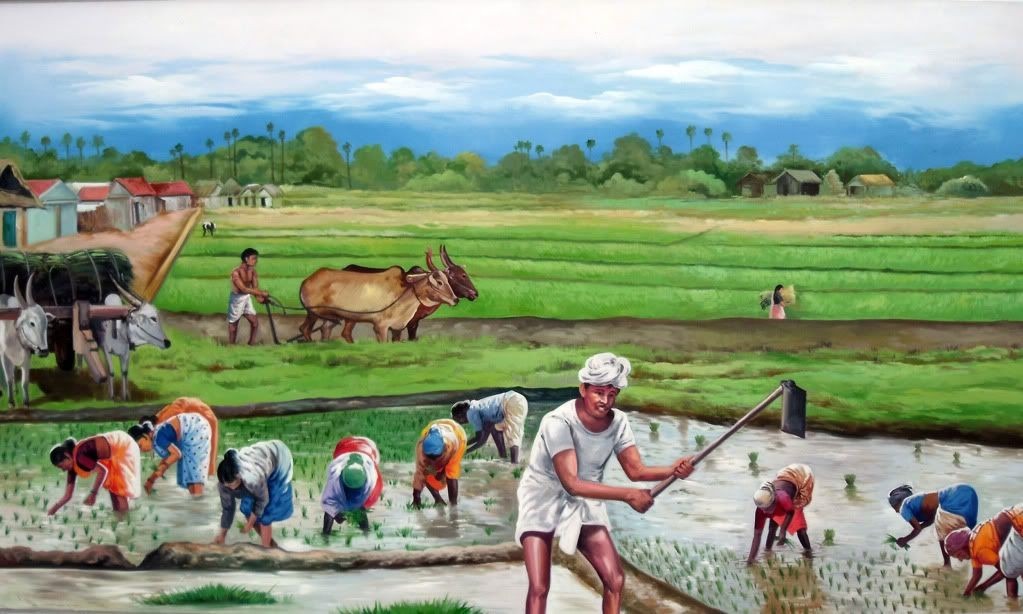
In 2022, I decided to travel and learn regenerative agriculture in Maui, Hawai'i. It was amazing. I learned and studied with a series of farmers about how to be in right relationship with the land, the different resources, and the community. I got more inspired to interview people for my POLITICAL HOPE podcast, including local grassroots leaders who helped rally the community to impact local government is legitimate systemic ways. I met Paul Deslauriers at his beautiful bird sanctuary and home, and he shared how he created the Maui Pono Network, a grassroots, community owned and led PAC. I recommend listening to this interview with him to understand how so many current councilmembers and even the new Department of Agriculture for Maui got their beginnings at Maui Pono Network engagements. My time with the soil regenerated me in how I show up to care about supporting our civic systems. I learned how to ask more questions, and better ones. I learned how similar the suffering of the Hawaiians has been to the suffering of the indigenous Punjabi Sikhs, where I come from.
https://indicportal.org/wp-content/uploads/2019/11/IndiaFarming.jpg
Inspired, I found myself on the east side of the Big Island of Hawai'i. Continuing to study and work with natural farmers, I also started and continue to attend county meetings. I engaged with the Rotary Club, which is also critical in community impact. I learned about various county initiatives to empower farmers, families, educators and more. Yet, I discovered a similar pattern of bad facilitation, toxic listening, and the passing off of accountability. That's when I connected with Maddy, a millennial who was a tireless advocate on Bernie Sanders' campaign.
Maddy was still traumatized from her experience campaigning for Bernie, and experiencing him cave in. She had not engaged in politics since 2016. However, when we began speaking, she shared that her eco-village community was being threatened by the County to be shut down because they were hosting ecstatic dances and sharing fruits and vegetable with the community. We had a few meetings and organized a Civic Action for Intentional Communities and invited the councilwoman, Ashley Kierkiewicz Instead of having a typical civic gathering, we hosted the event at the popular Seaview Lawn (epic Sunday drum circles happen there). We kicked the event off by gathering into a circle and invited a Hawaiian elder/kupūna sharing a prayer and an invocation for us to honor the Hawaiians and the land, water, air and fire well. Then Chris Berry (a famous musician) led a group synchronization activity. This was important for what we organized. It brought everyone together beyond ideology or political identity. Then we gathered into 4 different Working Circles (Farming, Governance, Healing Arts, and Hawaiian Culture). Each group was tasked with coming up with Calls to Action about those subjects. After an hour, we came back together and shared - even Councilwoman Ashley participated. The sharing was potent, and over 72 people showed up. Many of these people never vote, let alone vote at the local level. The feedback suggested the community needed more education on civic literacy and the effectiveness of citizen assemblies. Kudos to Maddy for collaborating with me and conquering her fears and trauma from politics.
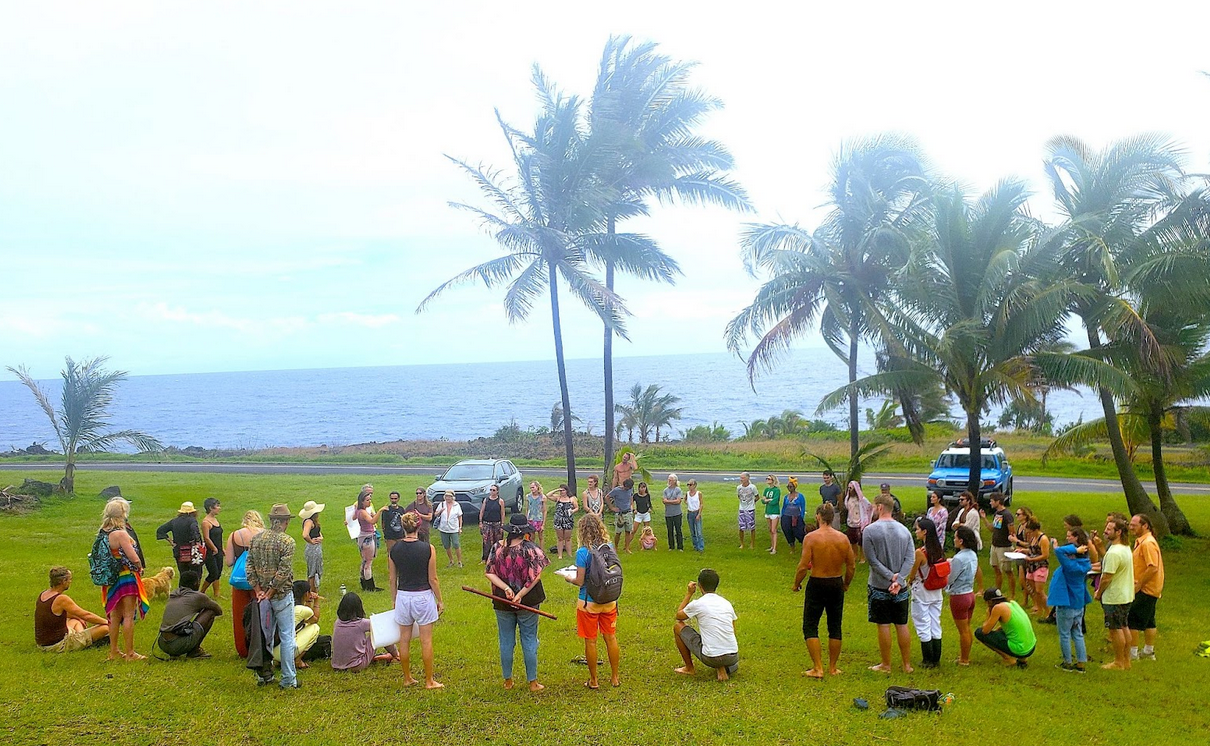
image from the Civic Action Raly for Intentional Communities in Puna, Hawai'i
Since then, we have organized two more Civic Action Rallies. We co-hosted one for the Farming Communities of Hāmākua and the Healthcare Community for the Big Island. The healthcare engagement offered free farm to table soup and a menagerie of offerings from the community. The farming community-focused rally engaged a different councilwoman (Heather Kimball) and included some local commissioners too. Each engagement has been intentional to not focus on the elected officials, but rather encourage imaginative collaboration about the concerns and challenges people in the community are experiencing. Hearing the responses from those who attended, I cannot seem to understand why these engagements are not regularly facilitated by local city and county staff? City staff are paid between $100k and $300k and have been systematically ignoring the needs and concerns of communities for years. How effective are civic engagement focused organizations? Is engagement going up at the local level, or down, over the past 10 years? Why is no one engaging the common people in this way? Why are there are no popular podcast channels discussing the regenerative ways to civically engage and inspire hope in a hopeless society? Why is there a loneliness crisis when we have the most sophisticated social technology in human history?
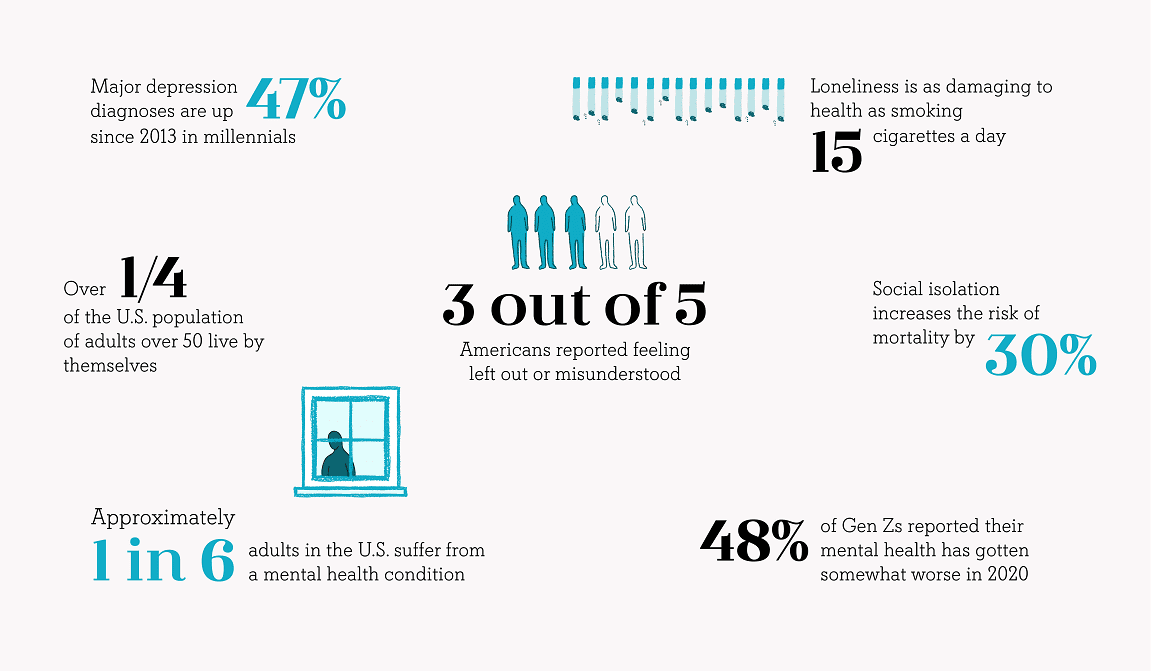
https://thedigestonline.com/blogs/loneliness-the-other-2020-epidemic/
So, what is regenerative civic engagement? It's the idea that we can come together, as community members, neighbors, citizens, families, friends, enemies, and adversaries. We can come together, first playfully and in synchronization, to listen to each other and our concerns. When I say listen, I mean listening in a way that people feel acknowledged and "seen". Also, by synchronizing ourselves, literally synchronizing our hearts and brain wavelengths, we can first realize each other's humanity. Synchronization is not an intellectual practice. It's something that has to be embodied, and facilitated by folks who embody and understand the power of universal human connection. A great example of synchronization is when everyone is playing drums in a circle together. Another example is the wave at a ballgame. These experiences are powerful during a time we are all polarized.
Regenerative Civic Engagement also invites participants, of ALL ages, to tune in with their imaginations. It's important for us to face the real challenges and concerns in our communities. We can no longer ignore them. When we move out of a space of complaint, worry, and fear, we can neuroplastically invent solutions that provide a place of safety and possibility for everyone. I invite you to listen to my interview with Suzette Brooks Masters about the power of imagination when it comes to policy making and the consequences of not using imagination wisely. From these imaginative and collaborative spaces, we can develop strategies to address our collective concerns. For example, if local elders are lacking the health resources from the county or city, local caregivers, farmers, educators, and children can share their skills or time. This was something that is now beautifully, and in a decentralized way, forming from the Civic Action Rally for Healthcare Communities.
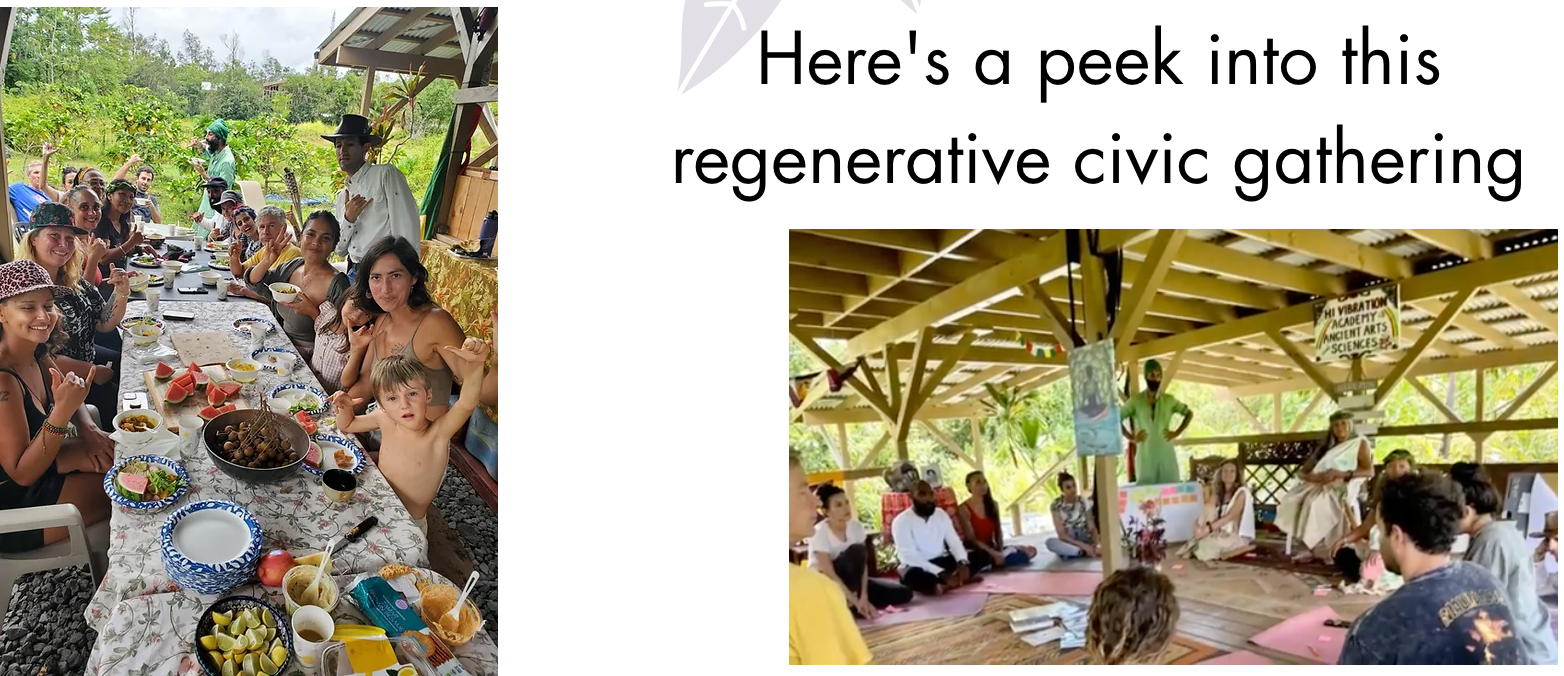
https://www.cultivatingself.org/event-details/civic-action-for-the-healthcare-community
Regenerative Civic Engagement is when we are nourished by food, community, music, art and nature and also come constructively come together to address the concerns in the community. Why don't city and county halls provide food and drink to taxpaying citizens who show up to meetings? There is plenty of money wasted at the local level - what if some of that money was spent to support families that would definitely show up to meetings if they could save money and time to feed their families? What if local small businesses received that taxpayer money for feeding people in the community for caring about their community by showing up to city/county meetings?
Why are civic engagements, even the ones being led by companies like Civic Genius, RepresentUs, StateUp and many more still so dry and disconnected from the suffering common people? Who is going to show up regularly? Mostly academics who live without awareness of the urgent suffering and needs of the common person? Where is the art and music in civic engagements? Where are the humanities in civic engagements? What about including diverse cultural and indigenous philosophies? Hannah Arendt cautioned the over-academic and scholastic machinations of society. She studied and hoped we would not repeat the patterns of pre-Nazi Germany. A large part of her message on that front was for us to create space for ALL people to have a voice, not just the ones who have credentials next to their names. Please listen to my podcast chat with the founder of the Hannah Arendt Center and our discussion about Citizen Assemblies. (thank you Roger Berkowitz)
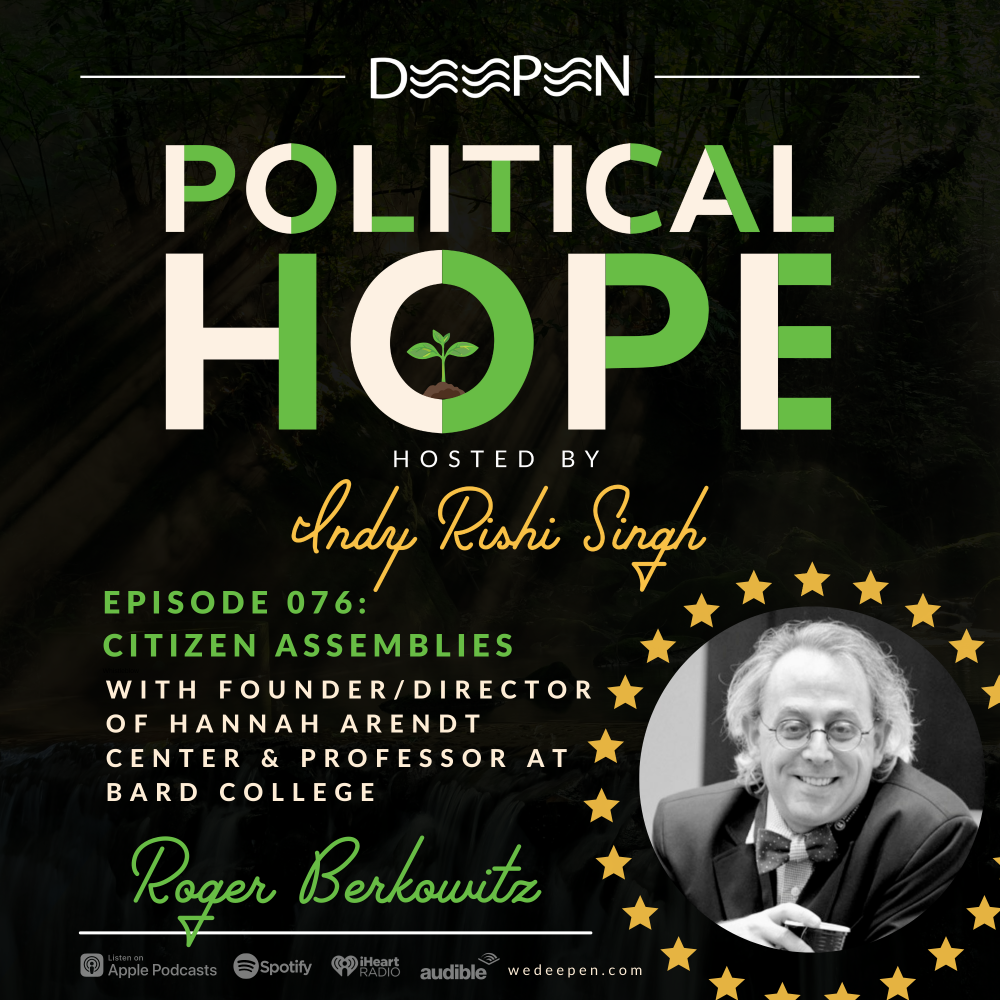
https://open.spotify.com/episode/57P2QlCCL4kKdDXsqKeNzq
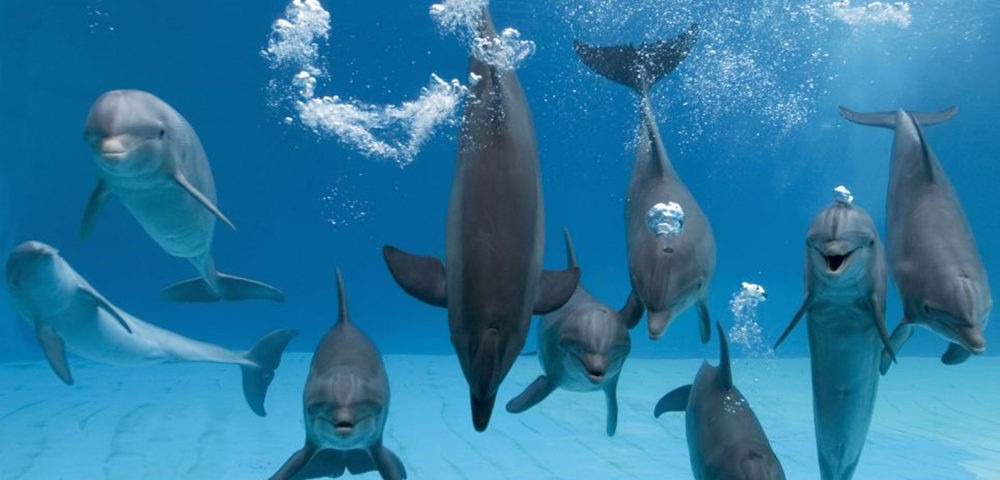
As I write this, I also know that I am just one ingredient in the soup of regenerative civic engagement. I have my limited and humble perspective. In collaborations with Maddy and Diana Cantú-Reyna, BSN, RN, we have created incredible gatherings where people who were cynical, angry, and frustrated now have personal power and hope that their consistent engagement can translate to systemic changes that support themselves AND the most vulnerable in our communities. I'm aware that like an ecological system, diversity is critical for resilience and success. This regenerative civic engagement idea is nothing new. It's been used by saints and community leaders since the beginning of humanity. I wonder if there are dolphin community organizers too!
https://awesomeocean.com/wp-content/uploads/2017/05/pod-1000x480.jpg
0
0

Comments