(TRI-VALLEY, CA.) — The next time you are crawling along Interstate 580 wondering whether anyone could possibly drive more patiently, California has an answer: perhaps nobody.
Waymo now holds the state approvals it needs to offer paid driverless rides across a large new stretch of California, including San Ramon, Dublin, Pleasanton, and Livermore. The California Public Utilities Commission approved the company’s updated passenger-safety plan on August 14 and authorized Waymo to begin fared driverless passenger service in the newly approved areas that day.
That does not mean a robotaxi will be idling outside the Dublin/Pleasanton BART station tomorrow morning.
Waymo has not publicly announced a launch date for the four Tri-Valley cities. In announcing the state approval, the company said expansion would be “gradual and guided by our safety framework.” Regulatory permission lets Waymo expand; it does not oblige the company to switch on every approved city, or any of them, on a particular schedule.
The August 14 decision completes a two-step state process. California’s Department of Motor Vehicles determines where autonomous vehicles may operate on public roads, while the CPUC regulates commercial passenger service. The DMV approved Waymo’s latest geographic expansion on November 21, 2025, and its approved-area list specifically names Livermore, Dublin and Pleasanton in Alameda County and San Ramon and Danville in Contra Costa County. The authorization allows operations at all times of day and night, in rain and fog, and at all speeds.
The Tri-Valley is a small piece of that map. The approved geography spans cities and areas in 18 California counties, from Sonoma in the north to San Diego in the south, and Waymo’s announcement pointed to Sacramento and San Diego as the markets where it plans to bring service.
For residents here, the questions are narrower. A Waymo could eventually become another way to reach BART after dinner in downtown Livermore, get home from a late night in Pleasanton or travel between Bishop Ranch and Dublin. Seniors and residents who do not drive could gain another option. Uber, Lyft, taxi operators and local transit agencies would gain a competitor that never argues about the destination.
The widening map comes as Waymo faces federal scrutiny over how its vehicles handle less-than-routine situations. In June, the company filed a safety recall covering 3,871 fifth-generation automated-driving systems capable of driverless freeway operation, after six incidents in Phoenix and seven in the Bay Area in which its vehicles entered freeway construction areas despite closures.
In the Bay Area cases, the cars drove between cones marking closed lanes, according to Waymo’s filing with the National Highway Traffic Safety Administration. The company said software improvements and additional operating protocols would address the problem, and it restricted freeway driving while investigating.
Federal investigators are examining other episodes. The National Transportation Safety Board is investigating a Jan. 23 collision in Santa Monica in which an unoccupied Waymo struck a 9-year-old student crossing a street in a school zone; the vehicle had been traveling about 17 mph before braking, and the child reported minor injuries and did not require medical transport. NHTSA opened a separate preliminary evaluation of the same crash five days later.
The NTSB is also investigating incidents involving Waymo vehicles and stopped school buses in Austin, Texas, including one in January in which a Waymo stopped for a bus displaying red lights and extended stop arms, contacted remote assistance, then drove past while the arms were still out.
Waymo argues its broader record tells a different story. The company’s latest published analysis covers 220.6 million rider-only miles through March 2026 and reports 94% fewer serious-injury-or-worse crashes than human drivers traveling comparable distances in the same operating areas — a figure drawn from Waymo’s own analysis, using human-driver benchmarks it developed for the places where it operates. The service now provides roughly 500,000 fully autonomous trips a week.
Locally, though, the usefulness of a robotaxi will depend less on national statistics than on where the thing will actually take you. Airports may be the biggest test. Waymo began limited passenger service to San Francisco International Airport on January 29, with pickups and drop-offs initially at the Rental Car Center, reachable from the terminals by AirTrain, and had begun offering freeway trips to a growing number of Bay Area riders the previous November. But state permission to drive at freeway speeds does not tell a San Ramon resident whether a Waymo ride to SFO will eventually be available, or what it would cost.
Much else remains unknown. Waymo has not said when passenger service will begin in the Tri-Valley, which destinations would come first, or how quickly the newly permitted territory will become part of its active service area, which is still centered on the Peninsula between San Francisco and San Jose. Even deciding where driverless cars should wait at Dublin/Pleasanton BART could become a practical question during the morning rush, when finding your Uber can already resemble a small scavenger hunt.
Those details will determine whether the August 14 approval becomes a meaningful change in how the Tri-Valley moves, or simply another colored patch on Waymo’s regulatory map.
Next up: Interstate 580 at 5 p.m.
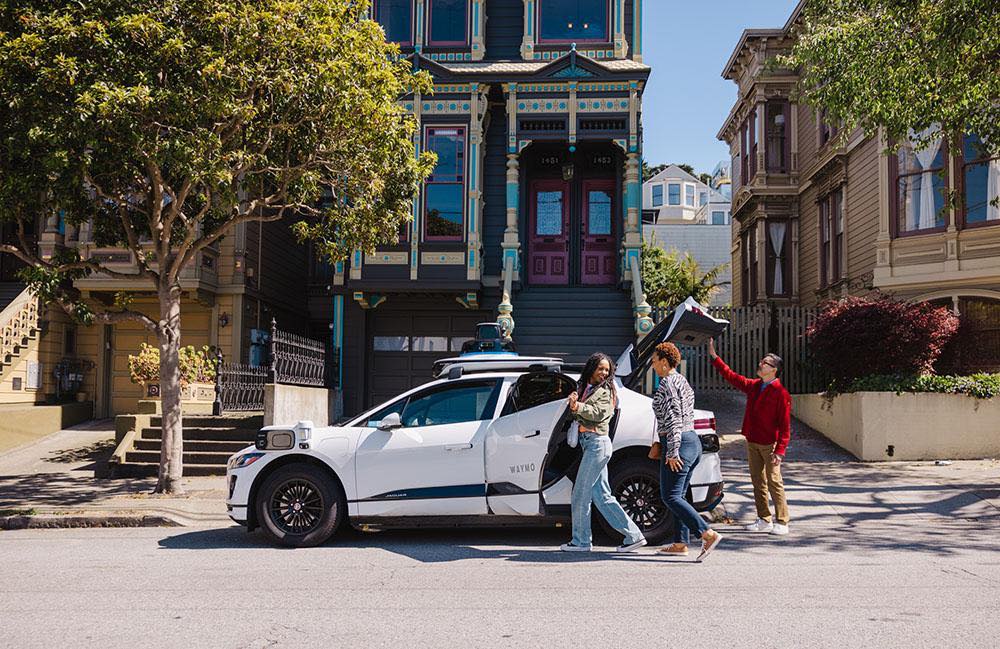
Photo Credit: Waymo / Waymo has state approval to offer paid driverless rides in San Ramon, Dublin, Pleasanton and Livermore, though the company has not announced when Tri-Valley passenger service will begin.
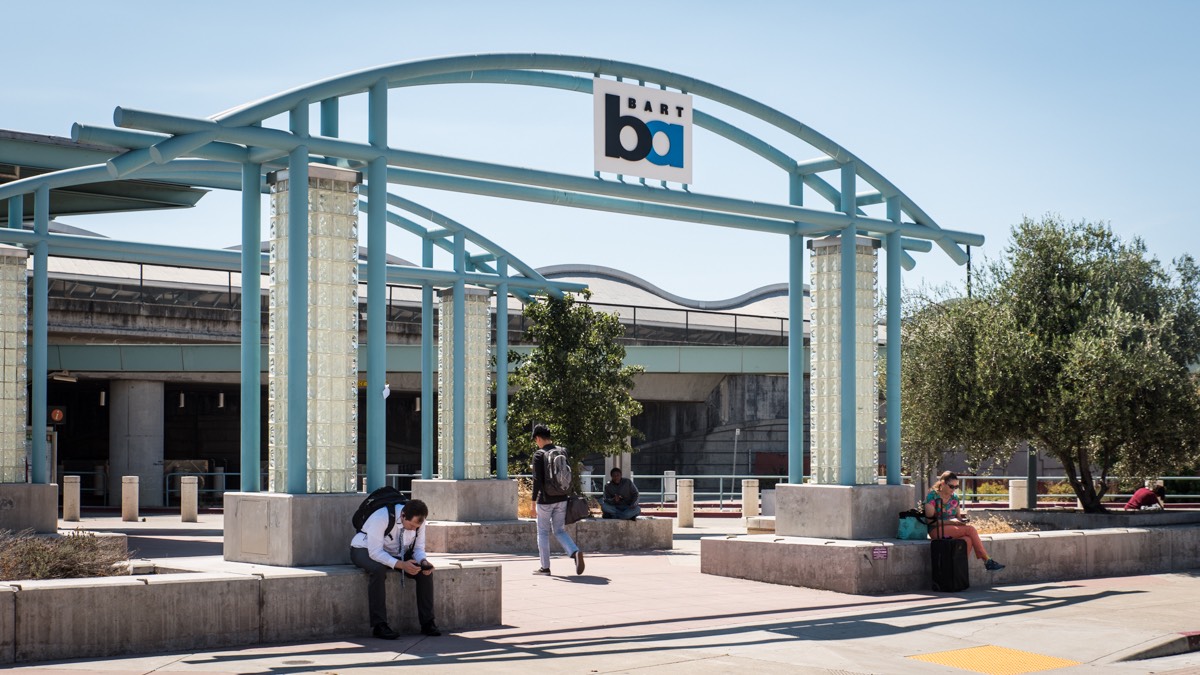
Dublin/Pleasanton BART sits along Interstate 580 between Dublin and Pleasanton. Whether the station becomes an early Waymo pickup point remains an open question.
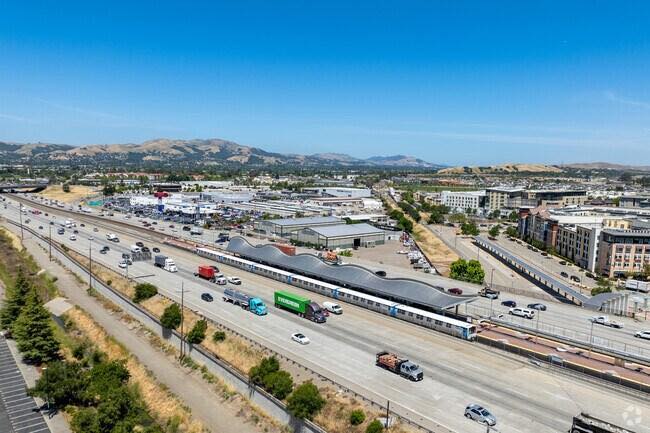
Photo Credit: Homes.com / Foothill-Pleasanton Neighborhood Guide. An aerial view of Pleasanton and the surrounding Tri-Valley hills. Waymo has received state approval to offer paid driverless rides in Pleasanton and neighboring Tri-Valley cities, although the company has not announced when local service will begin.
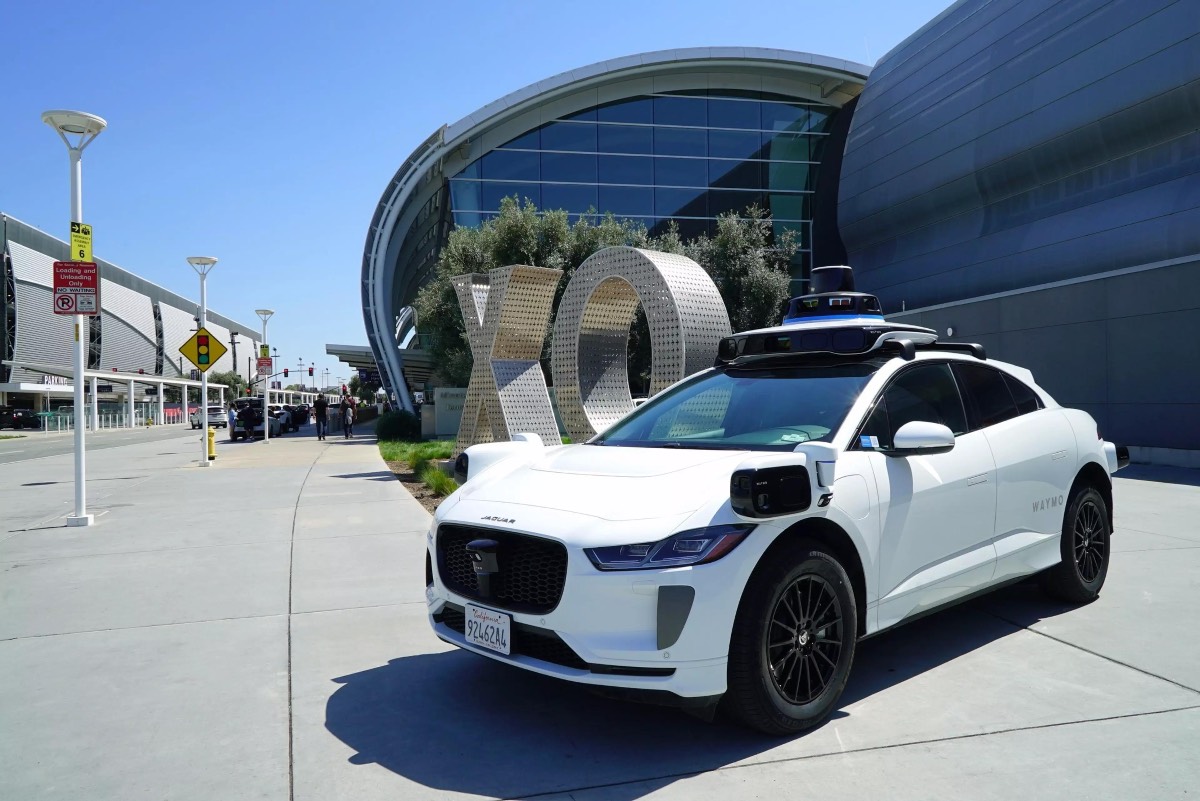
Photo Credit: AP Photo / Godofredo A. Vásquez, Associated Press. A passenger exits a Waymo robotaxi at San José Mineta International Airport on Nov. 12, 2025. Airport and freeway connections could be an important measure of how useful future Waymo service becomes for Tri-Valley residents.
0
0

Comments