(VANCOUVER)-- Significant tension between ambitious development goals and persistent community concerns regarding neighborhood character, public engagement, and growth impacts is how OpGov.ai reports Monday night's city council meeting went down.
I agree.
Comparing notes with the AI platform, this reporter delved into residents' frustration over the rush to complete the Comprehensive Plan Update.
Citizens cited a "lack of clear communication, and insufficient attention to existing covenants or the unique characteristics of established single-family neighborhoods like South Cliff and Dubois Park."
Karen Morrison, the Senior Executive Director of Odyssey World International Education Services, is a black woman-led nonprofit in Vancouver that advances social, racial, and economic justice. She strongly supports the priorities outlined in the preferred alternative map developed by city planning staff.
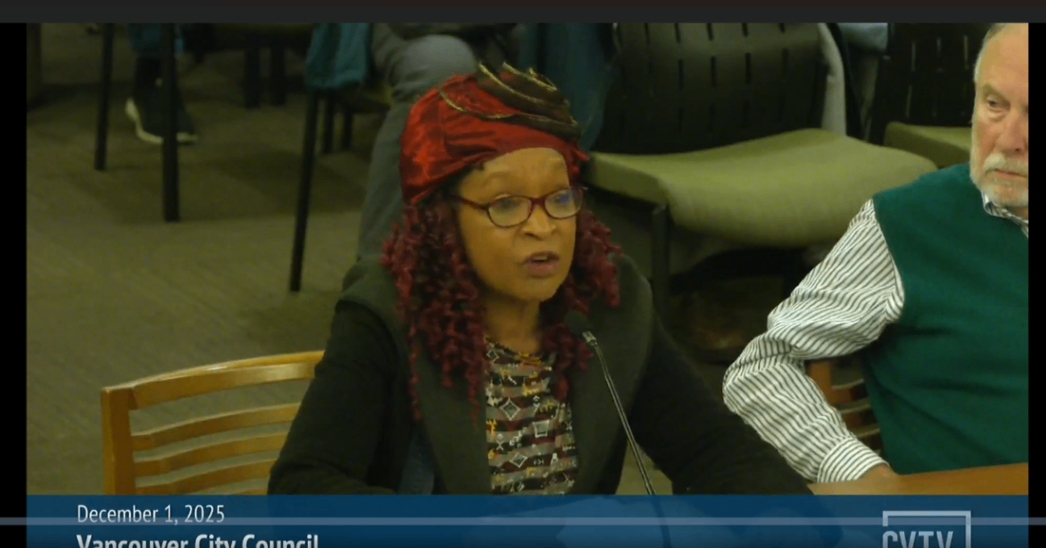
Karen Morrison at the Dec. 1 Vancouver City Council meeting
“This spring, we engaged over 50 community members in discussions about the comprehensive plan to ensure our understanding of community priorities," Morrison said. "What we heard echoed what we see every day."
Vancouver residents need better access to affordable housing, reliable transportation, good jobs, essential services, and pathways to home ownership, according to Morrison.
“Equity means ensuring that all types of residents have access to housing in every neighborhood, not only along major corridors," the advocate said. "Thoughtful growth planning creates a city that genuinely welcomes everyone, and I mean everyone."
Morrison concluded, noting that expanding housing and jobs, together with access to grocery stores, childcare, and health care, strengthen an inclusive and resilient Vancouver.
"Because every neighborhood will need to evolve to meet the city's housing and job targets,” Morrison said.
Jacqueline Marsh, a second-generation Vancouver resident representing homeowners from the Dubois Park neighborhood, expressed concern about the impact on her neighborhood and provided some historical information about the Dubois Park neighborhood.
“This neighborhood began development in the mid-1900s. The original Dubois House, which still stands on Dubois Court, was built in 1934m" Marsh said. "Most of the houses were built between the 1950s and the 1970s."
Marsh cited history, explaining that Robert Dubois, who developed the area in donated land for the park.
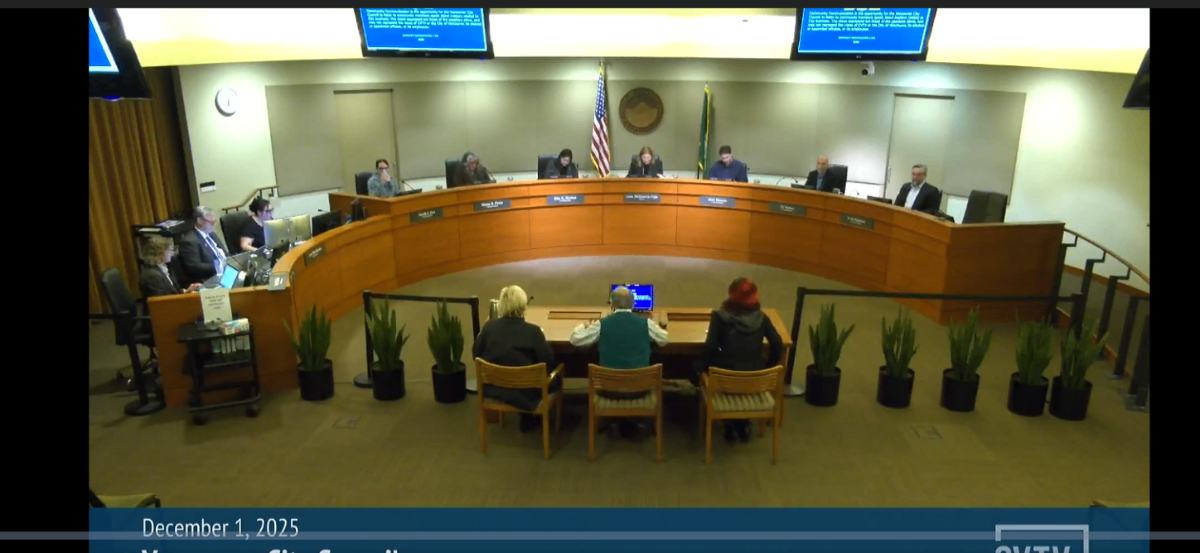
Vancouver City Council meeting covering affordable housing and
"Dubois Park homeowners purchased their homes because they wanted to live, and I know my husband and I chose this because we wanted to live in a well-established neighborhood of single-family homes," Marsh said. "Changing the zoning would also negatively impact home values."
The resident posed a question to officials.
"If you were in a neighborhood of single homes, would you want to live next door across the street from a two to five-story building coupled with additional off-street parking and noise that would accompany the units,” Marsh asked.
Kathy O’Mara Wyman spoke to the council about concerns that the timeline was moving too quickly, leaving many residents in the neighborhoods to be impacted uninformed about major changes.
“We have called, we've gone door to door, we have emailed," O'Mara said. "It has been difficult to navigate the maps that are online; they have changed."
As a communications professional, O'Mara notes they're hard to visualize.
"I know for all of you you're aware that it takes perhaps five to six times of hearing a message for people to understand that something is even happening," O'Mara said. "We feel very fortunate to have a significant group of people here tonight."
O'Mara said her "plea" involve the neighbors in the process.
"Your timelines are extremely short," O'Mara said. "We wish you well in the process, but we wish ourselves well in the process as well."
The platform reports, adding that the elected officials adopted a "preferred alternative map," increasing housing density focused on affordable housing at 80% area median income or below.
2026 Council Schedule Community Communication discussion
The Dec.1, meeting also held the discussion regarding the council’s 2026 schedule, with a focus on providing more opportunities for community engagement.
“Discussions around the 2026 meeting schedule highlighted the council's struggle to balance efficiency with enhanced public access, eventually opting for more frequent public communication opportunities while rejecting several proposed meeting dates due to logistical constraints,” OpGov.ai said.
Councilman Erik Paulsen expressed his thoughts on the community communications for 2026.
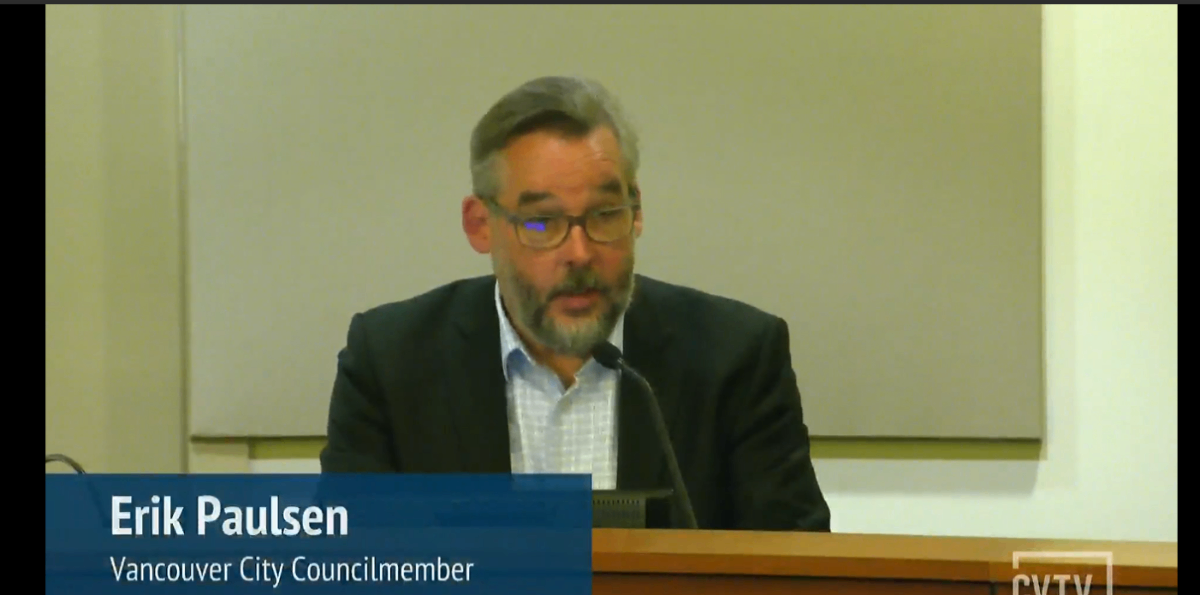
Councilman Paulsen on Dec. 1 at city council meeting
“I think we should have at least two community communications following a regular business meeting every single month, and then once a quarter, we could substitute the second of that month as an off-site community forum so that we're more accessible to folks out in the community,” Paulsen said. “In other words, if you want to look at it on a quarter-by-quarter basis, there would be six opportunities for the community to talk to us about anything they wanted to talk to us about."
Councilman Bart Hansen pointed out the confusing process of determining the city council schedule.
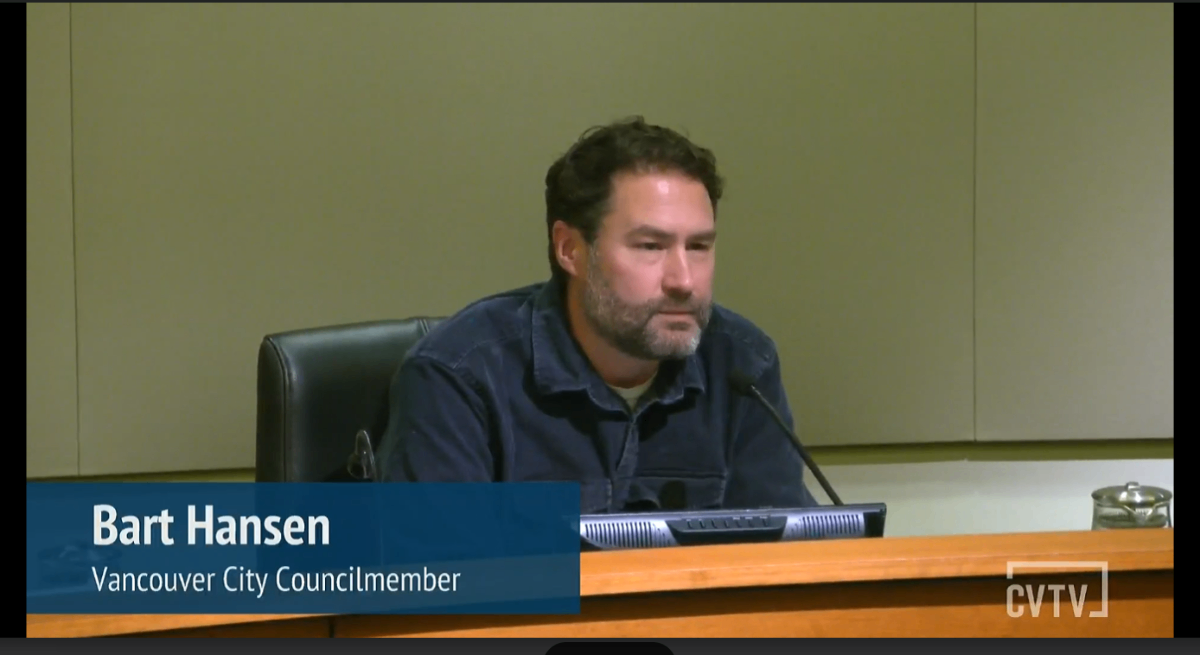
Councilman Hansen on Dec. 1 at city council meeting
“This is really confusing. I can only imagine how it might be for a citizen, and I know I'm a big fan of somebody coming down to city hall," Hansen said. "Never been here before, not familiar with how this works, maybe want to have a stop sign added to their intersection."
Hansen ended by saying he is a "fan" for three minutes at every regular and consent meeting. Ultimately, two motions were passed. One to have a public forum after every regular City Council meeting in 2026, aiming to increase public access. And the second is to continue quarterly off-site community forums in 2026, despite logistical challenges and some debate over their effectiveness, acknowledging community desire for diverse engagement.
If you have anything you would like to add to this report, please email me at rory.h@lead4earth.org.
0
0

Comments