(CALIFORNIA) – A long-running sewage crisis along the Tijuana River continues to affect San Diego’s coastline, forcing beach closures, damaging water quality, and raising concerns about air pollution in nearby communities.
The river flows from Mexico into the United States and empties into the Pacific Ocean near Imperial Beach. For years, it has carried sewage, trash, sediment, and other pollutants into the coastal environment, creating unsafe conditions for residents, swimmers, and wildlife.
Pollution doesn’t stay in one place. It moves from the river into the ocean and spreads along the coast. The Coronado Littoral Cell, a coastal current system that moves water and sand north, can also carry contamination farther up the shoreline.
Pollution Spreads Beyond the River
The impacts are already visible through repeated beach closures. South Bay beaches have been shut down due to high bacteria levels and unsafe water conditions.
The problem is no longer limited to areas right next to the Tijuana River. It has expanded along the coast, reducing access for residents, surfers, swimmers, and visitors.
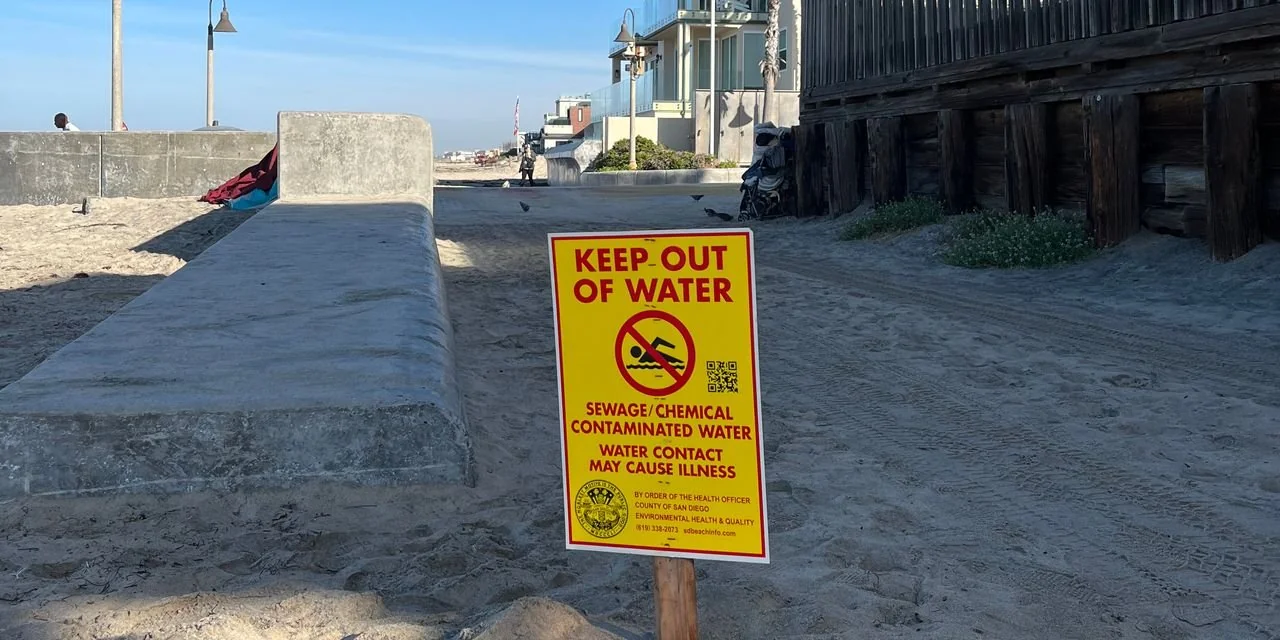
Photo Credit: Silver Strand Beach Closure Sign
Beach closures have also raised concerns for local businesses that depend on tourism and coastal access, especially during the summer months. Officials continue to monitor water quality across the region.
The Crisis Moves From Water to Air
The crisis is not only affecting the ocean. It is also affecting the air.
As sewage breaks down, it releases hydrogen sulfide, a gas known for its strong “rotten egg” smell. Residents near the Tijuana River Valley have reported strong odors and symptoms, including headaches, nausea, and respiratory irritation.
People living in the area say the smell is often a daily issue, especially during warmer weather when gases become more concentrated.
Beyond odor concerns, researchers say the pollution is not just staying in the water. A University of California San Diego study found that wastewater pollution from the Tijuana River can spread into the surrounding air and be detected in coastal environments.
“Often the sewage crisis is considered a water issue- and it is- but we show that it’s in the air too,” said Jonathan Slade, one of the study’s authors.
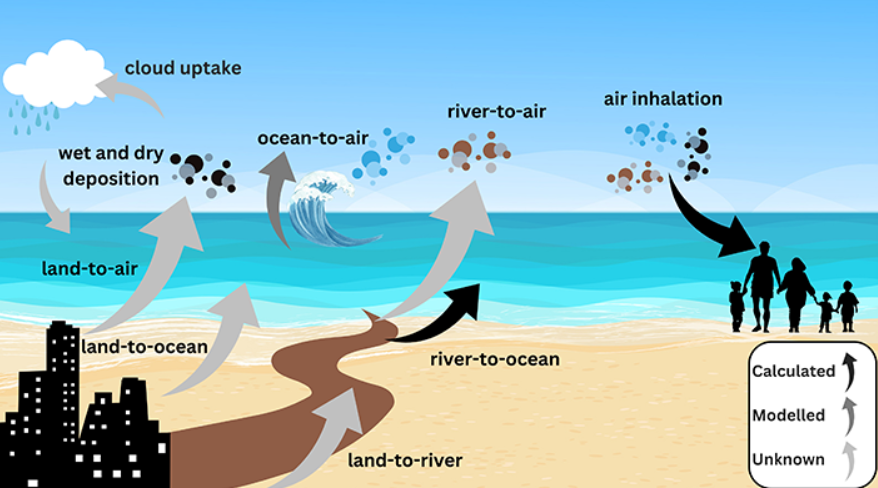
Photo Credit: University of California San Diego
County Supervisor Paloma Aguirre has called for emergency action, pointing to worsening hydrogen sulfide exposure in South Bay communities.
Aguirre said, “The South Bay has sadly reached a milestone. The percentage of time we’re being exposed to H2S overnight above state standards (30 ppb) is 100%.”
She also raised concerns about vulnerable residents, including children, seniors, and people with health conditions.
The County of San Diego tracks these impacts through its Tijuana River Valley Sewage Crisis Environmental Dashboard, which compiles data on hydrogen sulfide levels, beach closures, and air quality complaints.
County officials say exposure to hydrogen sulfide can cause eye, nose, and throat irritation, headaches, fatigue, and breathing problems, especially for sensitive populations.
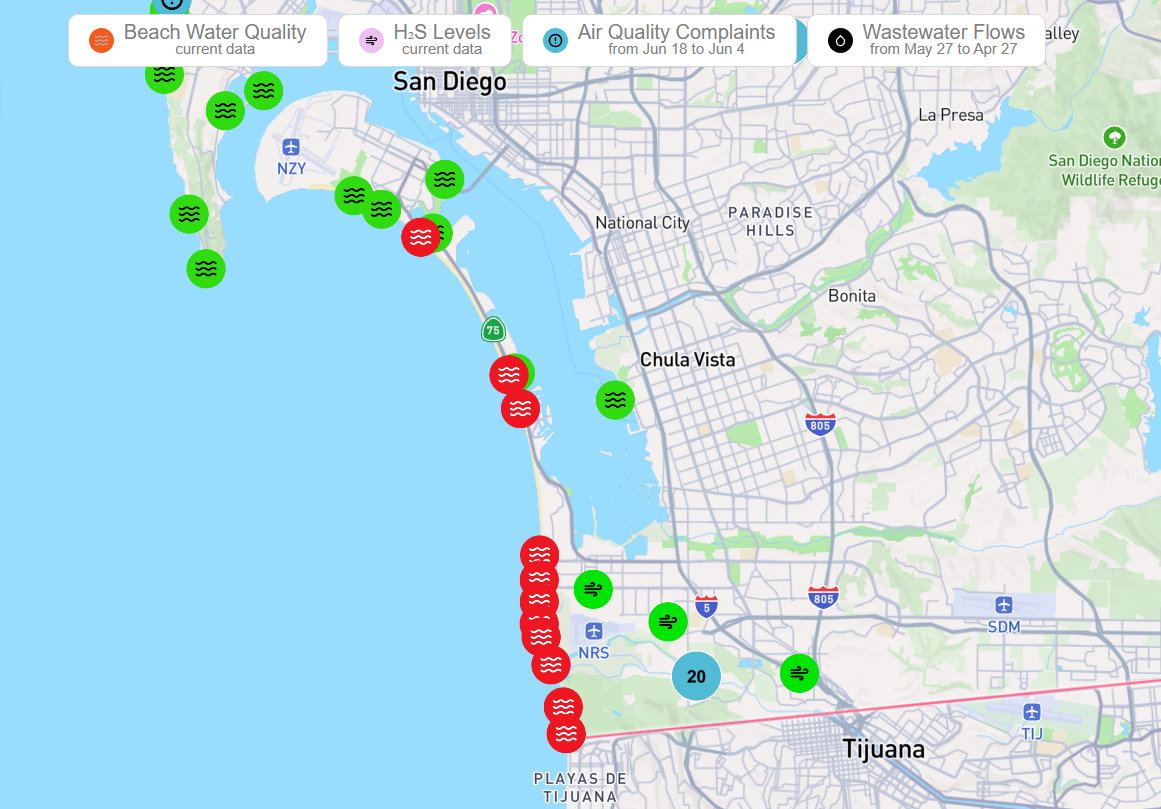
Photo Credit: County of San Diego
Aging Infrastructure Fuels the Crisis
Old wastewater infrastructure is part of the problem.
The South Bay International Wastewater Treatment Plant in San Ysidro is the federal facility responsible for treating sewage before it reaches the ocean. Officials say it needs major repairs and expansion to keep up with the volume of contaminated water entering the system.
According to the U.S. Environmental Protection Agency, cross-border flows into the Tijuana River can include untreated wastewater, stormwater, trash, and sediment. Periods of heavy rain can send large amounts of polluted water into the river system and out to the coast.
Environmental Damage Goes Beyond Sewage
The crisis has also contributed to a growing marine debris problem in the Tijuana River watershed.
The WILDCOAST International Organization has worked on efforts to stop trash and plastic from reaching the ocean, including installing a trash boom in Los Laureles Canyon in Tijuana.
“Rivers act like highways, transporting vast amounts of plastic from land-based sources directly into our oceans,” the organization wrote in a July 2025 report on plastic pollution in the watershed.
The group said it collected and analyzed 8.4 million pounds of debris over 35 months in Los Laureles Canyon. About 66% of the material was plastic.
Researchers say this shows how river pollution does not just stay inland, but eventually reaches coastal ecosystems and marine environments.
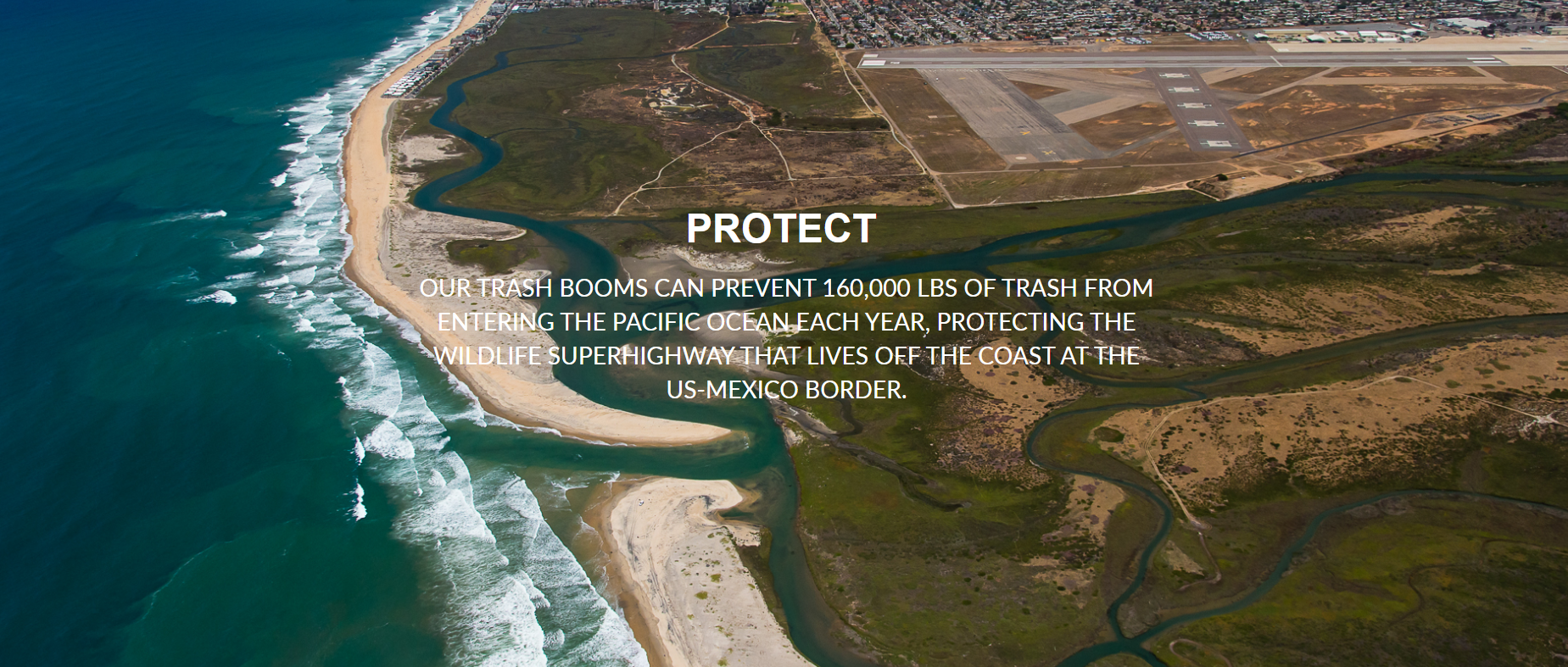
Photo Credit: WILDCOAST– Aerial view of the Tijuana River flowing into the ocean.
Cross-Border Efforts and New Agreements
The United States and Mexico have begun new efforts to address the crisis through infrastructure agreements.
In December 2025, the two countries signed Minute 333, a deal focused on reducing sewage flows, improving monitoring, and expanding wastewater infrastructure in the Tijuana River watershed.
EPA Administrator Lee Zeldin said the agreement is part of a broader effort to address the long-standing crisis affecting communities on both sides of the border.
“We’ve made incredible progress in accelerating infrastructure buildouts and getting Mexico to step up to the plate, but we know the work isn’t done,” Zeldin said. “The Trump Administration will not rest until the raw sewage flow from Mexico is stopped for good.”
The agreement includes upgrades to wastewater systems, expanded treatment capacity, and projects to prevent contaminated flows from reaching the ocean.
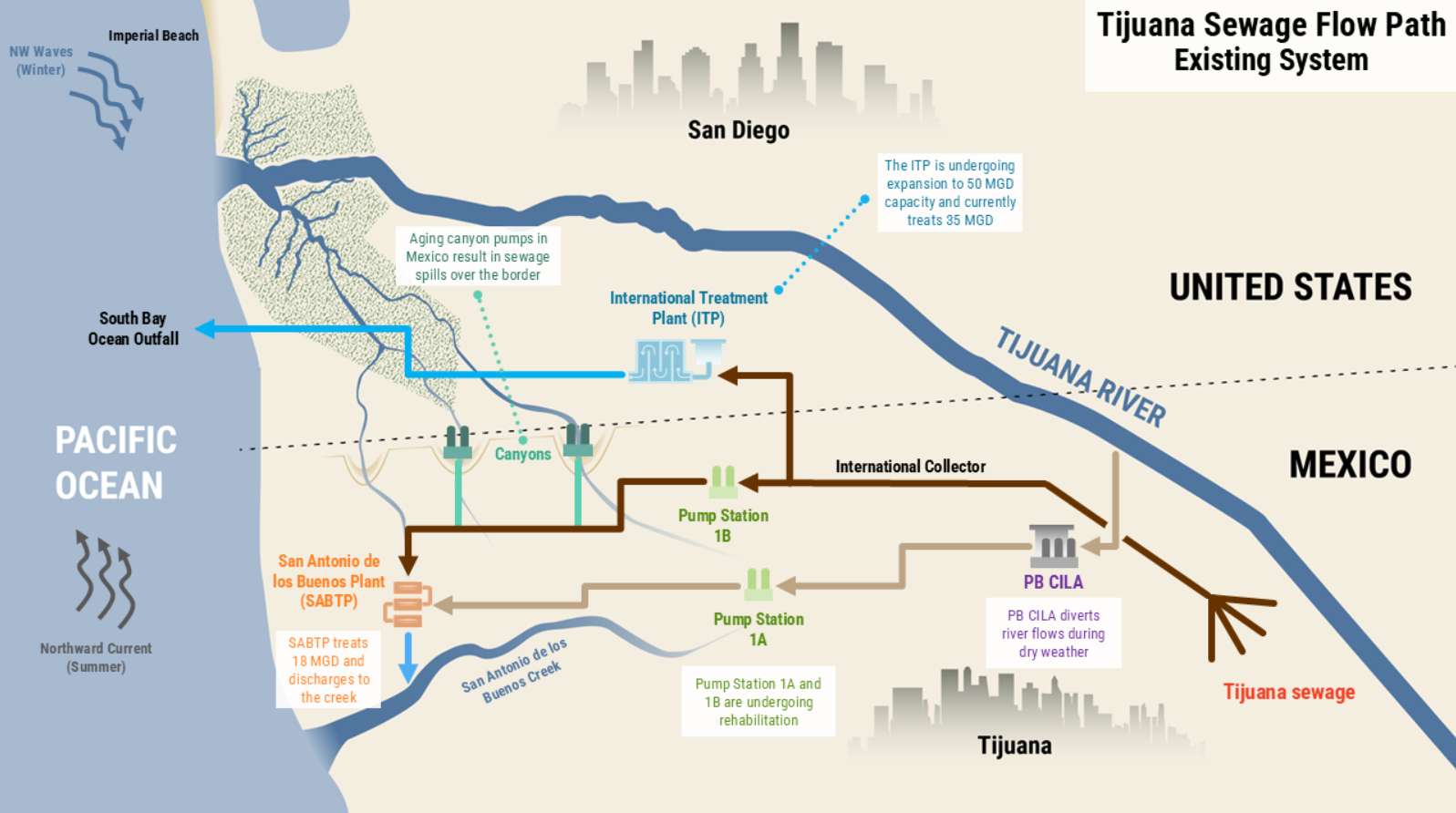
Photo Credit: U.S. Environmental Protection Agency
Other cross-border wastewater sources also contribute to the problem. San Antonio de los Buenos Creek in Mexico releases wastewater into the Pacific Ocean, which ocean currents can carry toward Southern California beaches.
State Funding Announced as Pressure Builds
In June, Governor Gavin Newsom announced $46 million in funding for projects addressing cross-border water pollution.
The money comes from Proposition 4, a climate bond approved by voters in 2024. It can be used for cleanup projects, water quality improvements, and public health protections.
The funding is not limited to the Tijuana River. Projects in both the Tijuana River and New River regions can apply for grants.
Newsom said California will continue supporting cleanup efforts while urging federal action on larger infrastructure repairs.
“People in San Diego County shouldn’t have to worry about getting sick, losing access to their beaches, and living with polluted air,” Newsom said.
Local leaders, including County Supervisor Paloma Aguirre, continue pushing for emergency action and long-term solutions.
While funding may help support cleanup efforts, officials say fully fixing the problem will require major infrastructure upgrades that could take years.
For now, South Bay communities continue dealing with beach closures, pollution, and ongoing health concerns as the crisis remains unresolved.
To add to or correct any information in this report, please contact me at jenny.r@lead4earth.org.
0
0

Comments