(OPGOV GLOBAL) — The death penalty has sparked controversy for decades. In recent times, there has been an outpour of opinion on the matter.
There are currently 27 states that allow for a death penalty conviction, while the other 23 states do not. Four of the 27 states have placed an executive pause on executions. So far in 2026, 30 prisoners have been executed, with one attempt, in Tennessee, that failed. Christa Pike was set to be executed on September 30, although the results left her walking and talking.
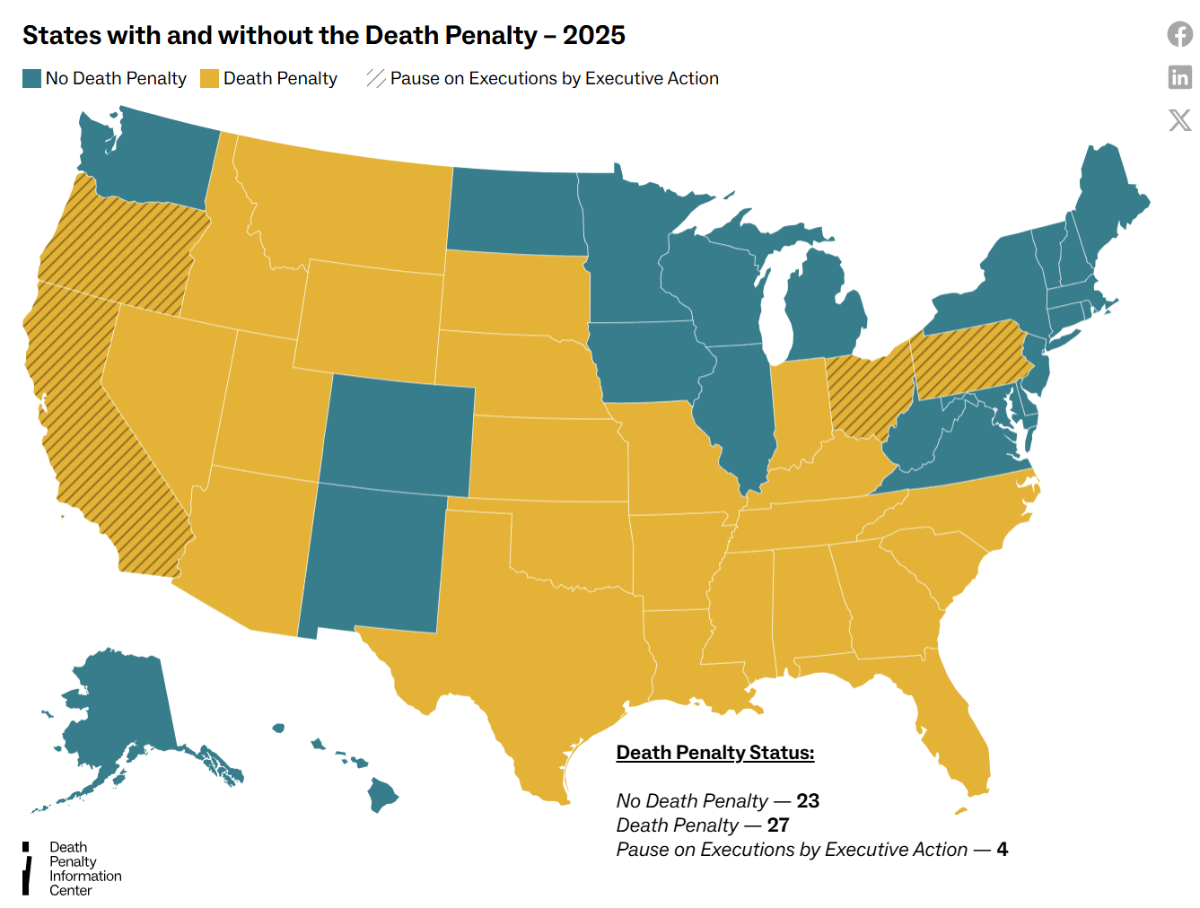
Photo Credit: DPIC / Status of the death penalty in each state.
Pike is the youngest woman sentenced to death when she was 20 years old, in 1996, for murdering Colleen Slemmer. Prosecutors claimed that Pike tortured Slemmer for over 30 minutes. Pike then carved a pentagram into Slemmer’s chest and kept a piece of Slemmer’s skull as a trophy.
Pike was injected with two doses of lethal pentobarbital, but was still alive. Pike was then rushed to a nearby hospital, where she was in critical condition. On Monday, October 5, Pike was pronounced brain dead; however, she woke up on Tuesday, October 6 and was speaking. As of October 8, Pike was walking but was unable to use her arms and on October 10, was sent back to a women's prison.
Pike is the first individual to survive a lethal injection in the United States. It is unclear what the next steps will be.
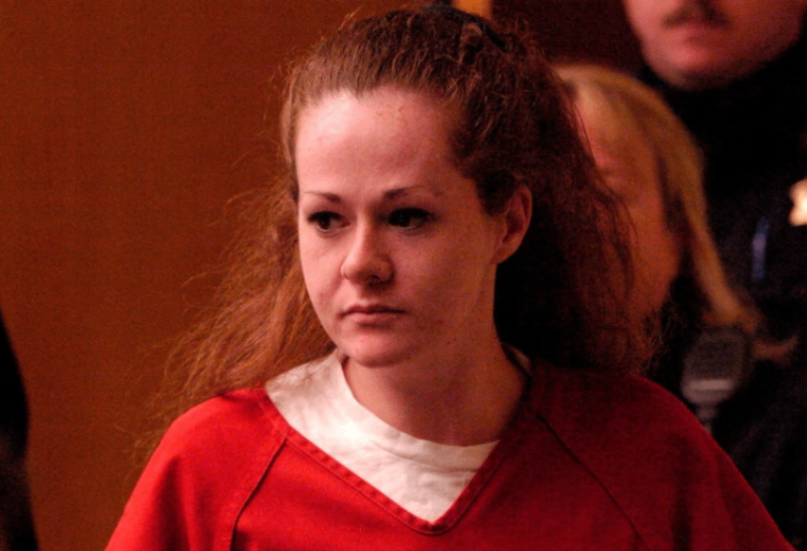
Photo Credit: ABC News / Christa Pike during her trial in 1996.
The Death Penalty Information Center is a nonprofit organization that provides data and analysis on issues related to capital punishment and the individuals affected. At the end of each year, the DPIC releases an annual report highlighting significant trends and developments in the death penalty.
Senior Communications Associate Hayley Bedard shared with OpGov.News that the DPIC’s 2025 annual report included findings on whether a jury would sentence a defendant to death in current cases. Bedard stated that the 2025 report “found that a majority of capital juries rejected death sentences in 2025." He also said that "DPI(C)’s 2026 mid-year update...found the same trend in the first half of 2026.”
DPIC found that 56% of capital juries who were asked to choose life or death chose to reject the death penalty in 2025.
Within the 2025 report, it stated that 23 individuals were sentenced to death, and roughly one-third of these convictions were non-unanimous jury verdicts. Out of the 27 states, Florida and Alabama are the only states to allow a non-unanimous decision to sentence an individual to death. Florida has the lowest threshold for death sentences, only requiring eight out of 12 jurors to agree. Alabama requires at least 10 of 12.
12 states have created bills seeking to abolish the death penalty in 2025, but none were enacted into law.
DPIC reported that in 2025, the public support for the death penalty had reached a “five-decade low,” resulting in only 52% of Americans who favor it. The decline in support began in 1994, when support had reached a high of 80%.
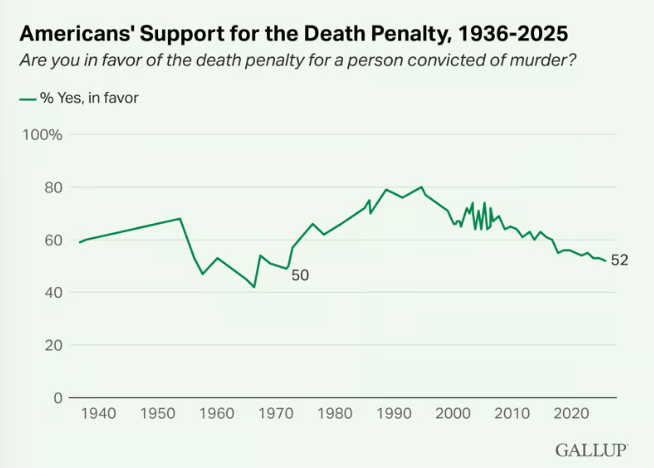
Photo Credit: DPIC / Gallup
The DPIC also found that young adults aged 18 to 34 had fallen to 41%. DPIC had noted that over the course of 15 years, this marks a significant drop in support from young adults, when in 2011, 52% of young adults from the ages of 18 to 29 favored the death penalty.
The case of Pike has led to a media frenzy, where individuals are speaking out on multiple platforms, such as TikTok, Instagram, and Facebook, about the death penalty.
Paul Davies went to TikTok to state he believed that Pike had served her sentence and that she had “been through hell.” he wants the state to let her live because she is “not a kid anymore” and knows what she did wrong many years ago.
However, others like Simon Peterson posted a memorial tribute to Slemmer, stating, “Before you feel bad for Christa Pike, remember that Colleen begged, begged for her life.”

Photo Credit: Simon Peterson / Memoriam for Colleen Slemmer
After the failed execution, DPIC released a statement that explained what happened and what advocates were saying about Pike.
“Advocates are characterizing this failed execution attempt another assault on a woman who survived significant gender-based violence and abuse as a child,” DPIC said.
DPIC also noted that Tennessee carries out its executions largely in secret. Witnesses in Tennessee are blocked from viewing important portions of the process, “including the insertion of the IV lines.” The state’s officials also refuse to disclose where they obtain the drugs, how they are stored, and how they are tested.
After the failed execution of Pike, all executions were halted until October 7. Jamaal Howard was executed by lethal injection in Texas one week after Pike received two doses. Howard’s case has raised controversy due to concerns of an intellectual disability.
To add to or correct any information in this report or to share tips or a story, please contact me at alexis.n@lead4earth.org.
0
0

Comments