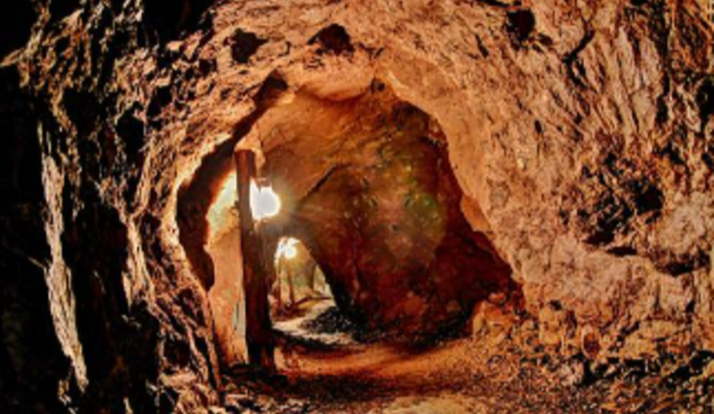
Photo Credit: iStock / Old copper mine
(UNITED STATES) – What does a global memory-chip shortage set to expand into 2027, and a $2 billion push in new US mining operations led by President Trump have to do with AI? Everything, and it’s no longer paranoia. It’s become obvious, at least to anyone paying attention, that the desire for the U.S. to be a world leader in AI is a major part of the push.
On the surface, the objective is to reduce reliance on China and Russia. Trump’s administration wants to educate engineers and miners, manufacture batteries and semiconductors, create strategic stockpiles, and increase in-house mineral extraction and refining.
While increasing participation from allied nations is part of the plan, the key goal is to be as self-sufficient as possible. The problem is the U.S. built manufacturing sites at home before securing the necessary minerals to keep up with the constant output of chips and other semiconductors required to feed the growing technological market.
Photo Credit: Kyraxys / Microchip
Unfortunately, the answer seems to be to dig more mines in the U.S., often forgoing long-standing tribal treaties and against the wishes of residents in those areas. Minnesota is facing this issue right now; many tribes, activists, and environmental groups have said no to mining in the Boundary Waters Canoe Area (BWCA).
Still, the Senate lifted the 20-year ban. Current Governor of Minnesota Tim Walz has since signed an executive order banning any new nonferrous mining in and around the BWCA, temporarily stopping any new mining in that area.
AI technology requires advanced memory chips with powerful semiconductors, and the larger AI grows, the more storage it will require. The technology alone isn’t responsible for the chip shortage; AI data centers require high-bandwidth memory to support massive system infrastructures.
Manufacturers give AI priority, too, leaving less storage capacity for all other technological devices. “Most of the memory from the top players is going directly to AI infrastructure,” Sassine Ghazi, CEO of Synopsys, said, “...many other products need memory, so those other markets are starved today because there is no capacity left for them.”
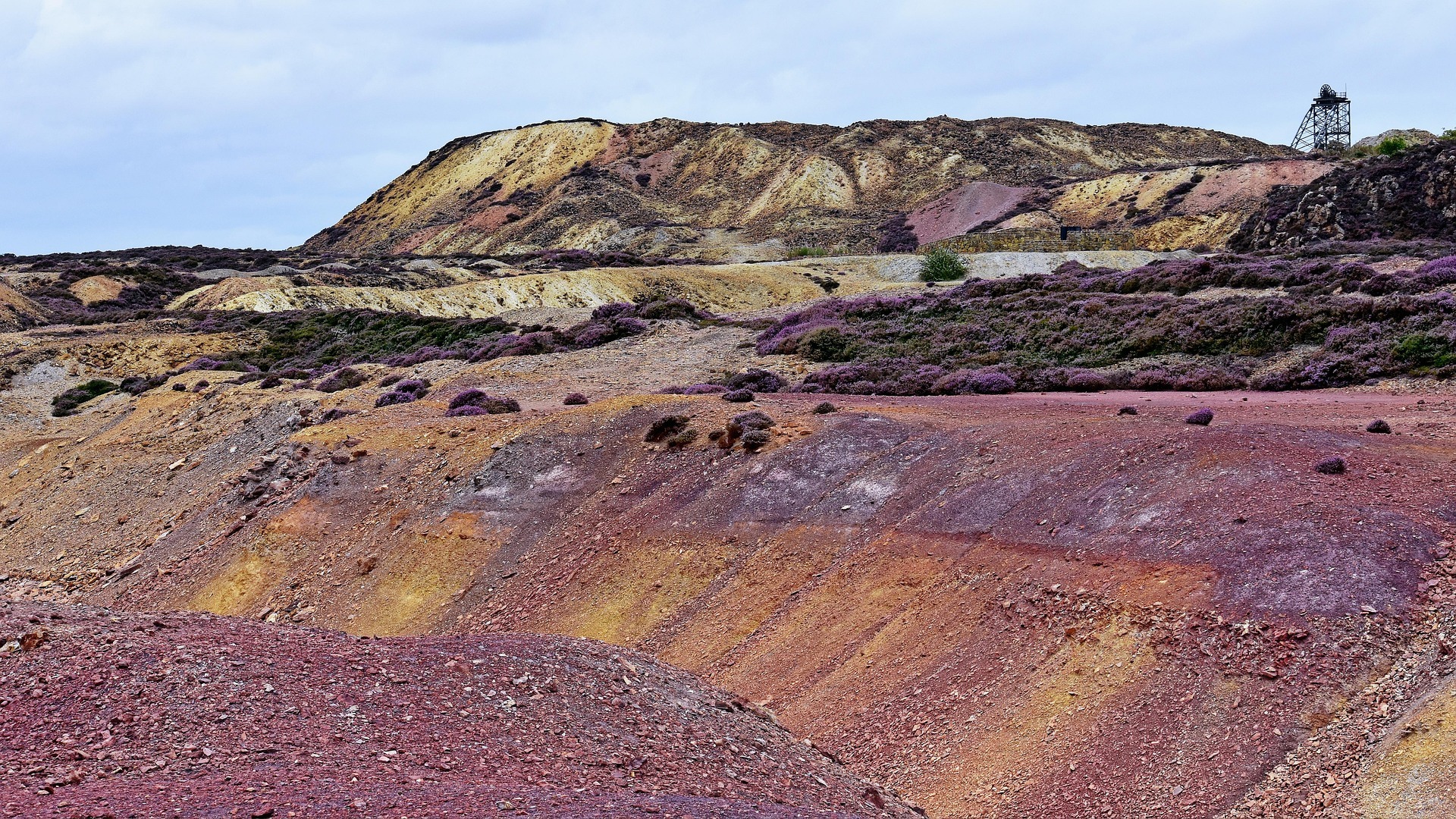
Photo Credit: Pixabay / Parys Mountain Copper Mine
What’s often left out is that the U.S. doesn’t have to mine every mineral it needs for the AI boom. Instead of digging more mines in the US, resources could be outsourced from allied nations with preexisting mines.
One alternative would be to expand the Defense Production Act (DPA) to create more industrial projects in allied nations. The President of the United States is already allowed to invoke the DPA for national security and defense supply chains.
Modifying Title III of the Act to include outsourcing industrial projects (like mining) to other countries already in production is an option that would prevent the need for more mining in the U.S. while benefiting allied countries.
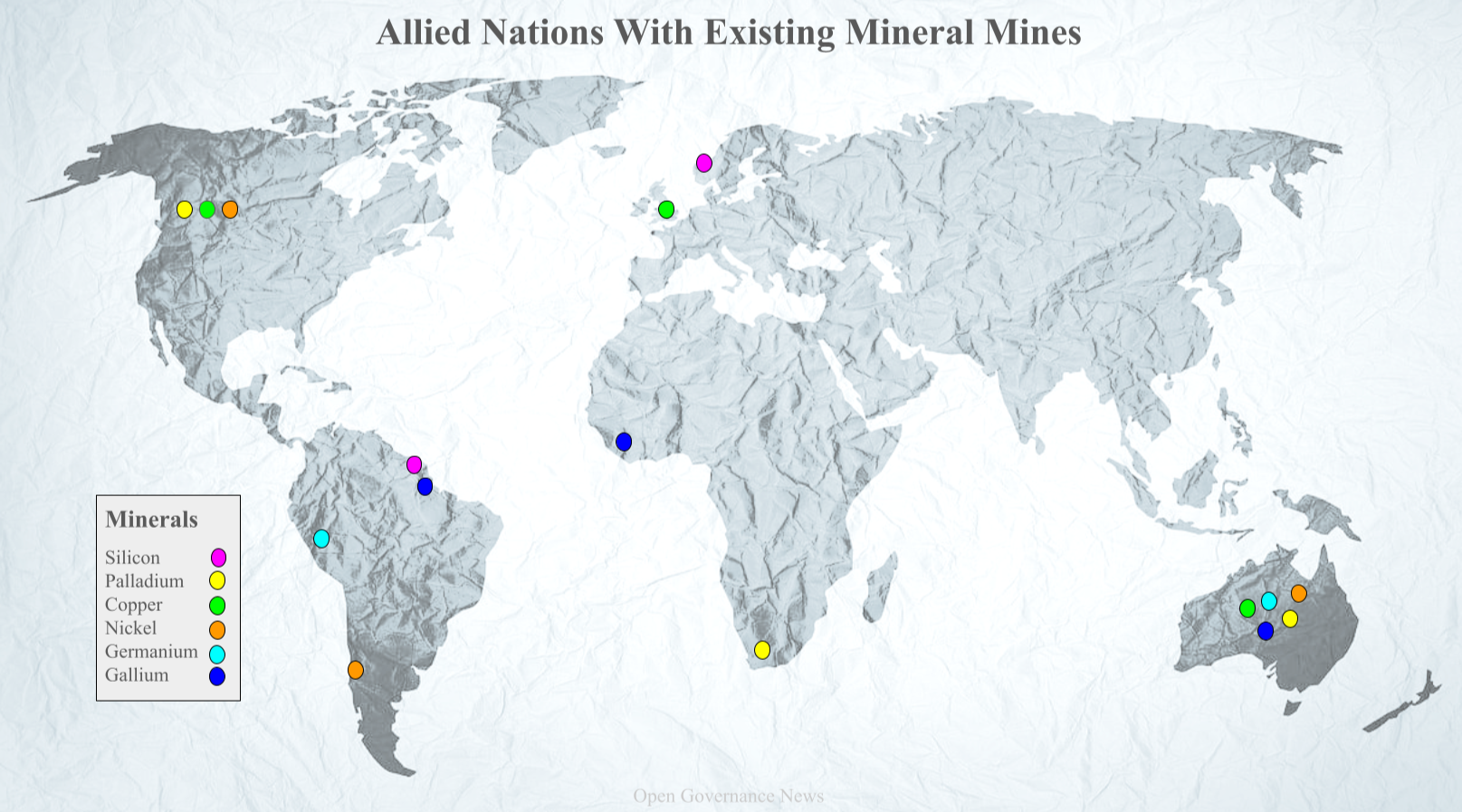
Photo Credit: Kristin Hassel / OpGov.News
Allied nations with existing mines that are considered priority import options include Great Britain, Australia, Guinea, Brazil, Peru, Chile, South Africa, Canada, and Norway. The above map shows which allied countries currently have mines producing the minerals needed to make computer chips.
Key minerals used in microchips include gallium, germanium, palladium, silicon, and copper-nickel. Chile is also a source of lithium, a material critical to some of the batteries used in smaller AI devices (e.g., smartphones, tablets, etc.), though mining it is difficult and dangerous.
Samsung, SK Hynix, and Micron are ramping up production, but it takes time for manufacturing to reach full capacity. Lenovo Chief Financial Officer Winston Cheng noted increasing prices due to low supply: “We will see memory prices going up.”
That means consumers will see the cost of smartphones, tablets, and all other technological devices increase. Not like most of us don’t already carry around a $1,000+ phone that needs to be replaced as “outdated” every two years. In fact, Xiaomi, a popular smartphone manufacturer, has already increased prices.
By allowing more DPA-supported projects, investing in mining in allied countries, and securing long-term contracts, U.S. chip manufacturers could more easily obtain materials needed to create semiconductors, and prices could stabilize – without more mines.
Using existing domestic mines and allied sources, the U.S. could eventually stop outsourcing mineral refining in Russia and China. This will also increase cooperation between itself and allied nations, and eliminate issues with supply chain control and disruptions created by political motivations.
To add to or correct any information in this report, please contact me at kristin.h@lead4earth.org.
0
0

Comments