(TEMPE, Ariz.) -- A new ordinance in Tempe passed at the Oct. 15 City Council meeting, which placed the strictest ban on Automated License Plate Reader (APLR) technology seen yet in Arizona. While neighboring towns have closed contracts with surveillance companies like Flock, Tempe remains the only municipality to write these new standards into their city code, pioneering a new era of privacy for residents.
The ordinance was first introduced to the city by Councilmember Bobby Nichols in September 2026. It makes purchase, use, and contracting of ALPR technology by municipal agencies unlawful in Tempe. It clarifies that all previously collected data from these cameras must also be disposed of.
Mayor Corey Woods spoke to his appreciation for the Tempe Police Department (TPD) and stressed that, after revisions, the ordinance does allow them to work within multi-jurisdictional task forces.
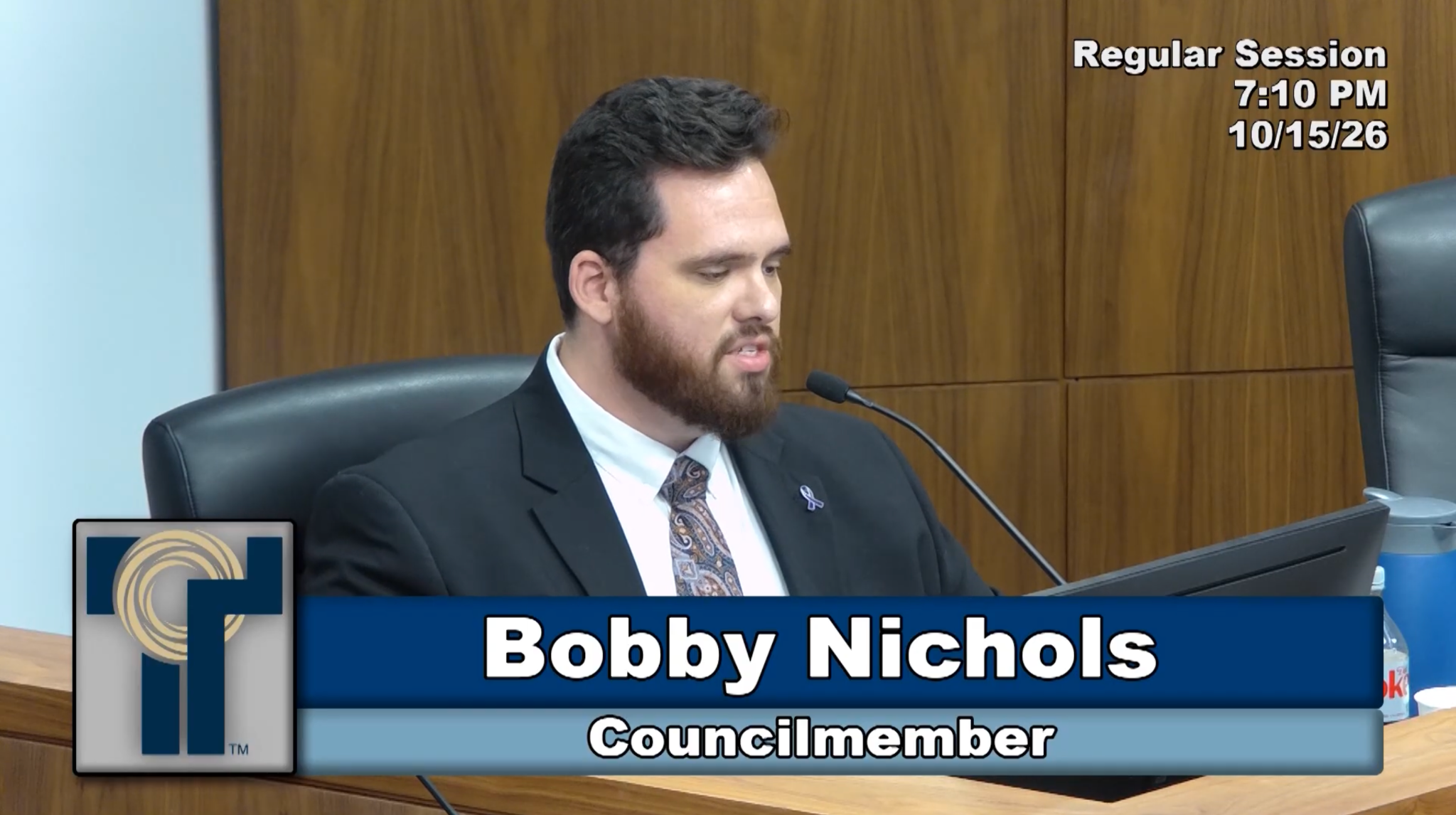
Photo Credit: Youtube / Tempe11Video / Councilmember Bobby Nichols
While a few attendees spoke out in favor of ALPR technology, the majority of commentary came from those urging the council to pass this ordinance.
Among the citizens in favor, a common concern arose around whether the use of these cameras infringes upon Fourth Amendment rights.
Policy Strategist at the Arizona American Civil Liberties Union (ACLU) Katelynn Contreras spoke to the council and expressed how this ALPR technology can “map a person’s life, cataloging people even before they have been convicted of a crime, violating their due process constitutional rights.”
Her remarks highlighted the perception of efficacy of like equipment in cities across the country, sharing that there are other ways forward in crime prevention that don’t require mass surveillance.
DeAnna Alvarez from the Arizona Asian American Native Hawaiian Pacific Islander for Equity (AANHPI for Equity) joined public testimony and expressed her support of the ban. She shared her unease around the role this technology could potentially play in criminalizing out-of-state individuals who travel to Arizona in order to access abortion care and other modalities of reproductive healthcare.
Councilmember Nichols then took a moment to share his gratitude to those who worked on the local legislation, praising them for their commitment. He smirked and closed his remarks, speaking to those who helped, noting, “I know you will continue to fight the good fight.”
Vice Mayor Arlene Chin was the only member in opposition to the ordinance. She proclaimed her agreement around regulation of all technology; however, when expressing the reasoning behind her objection, she called it “a bit short-sighted.”
The motion to approve resulted in a six-to-one vote, and the ordinance passed. Applause erupted briefly from one citizen in attendance before containment.
Tempe residents are not alone in calling for action around such monitoring. Across the nation, individuals and organizations are gathering to call for change. One notable resource seeking to educate U.S. citizens on the reality of ALPR technology, including Flock, is deflock.org. According to their website, their mission is to “raise awareness about the threats it poses to personal privacy and civil liberties, and empower the public to take action.”
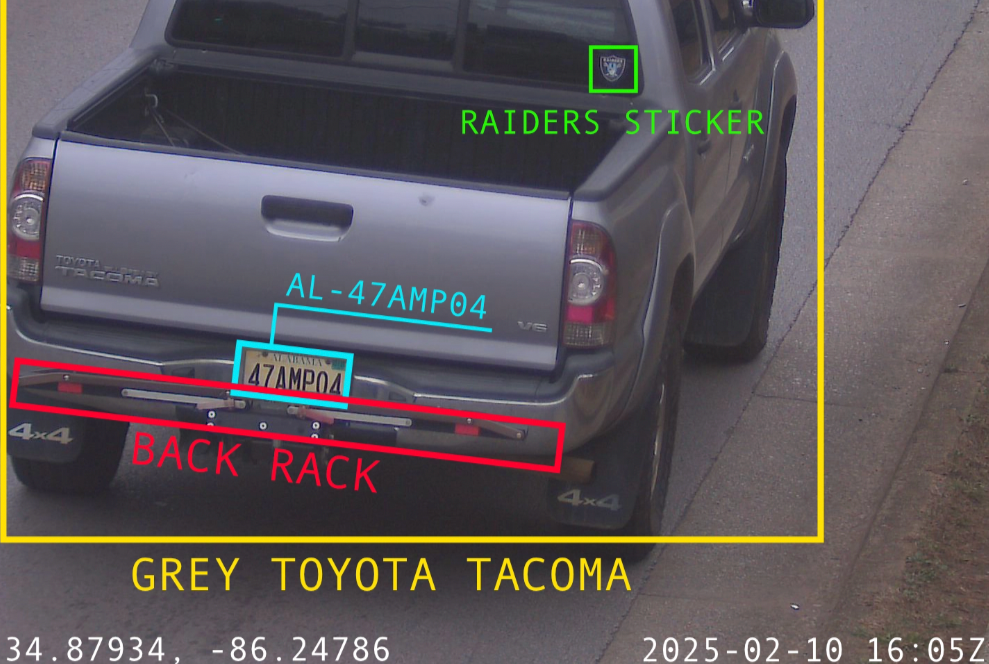
Photo Credit: deflock.org / Image of an annotated LPR photo
As for Arizona specifically, Tempe proves not to be the only city addressing ALPR usage. Some neighboring towns in the valley have also stated their positions and whether there is space for such apparatuses in their communities.
While the Town of Gilbert took the opposing stance, the City of Chandler announced its discontinuance with Flock in August 2026. The proclamation came alongside acknowledgement of “an anomaly in the use of the Flock system that could not be explained through standard police action,” as stated by chandleraz.gov. While usage of the cameras ceased, no changes to city law have been made as of Oct. 29, 2026.
To add to or correct any information in this report, contact me at madeleine.b@lead4earth.org.
0
0

Comments