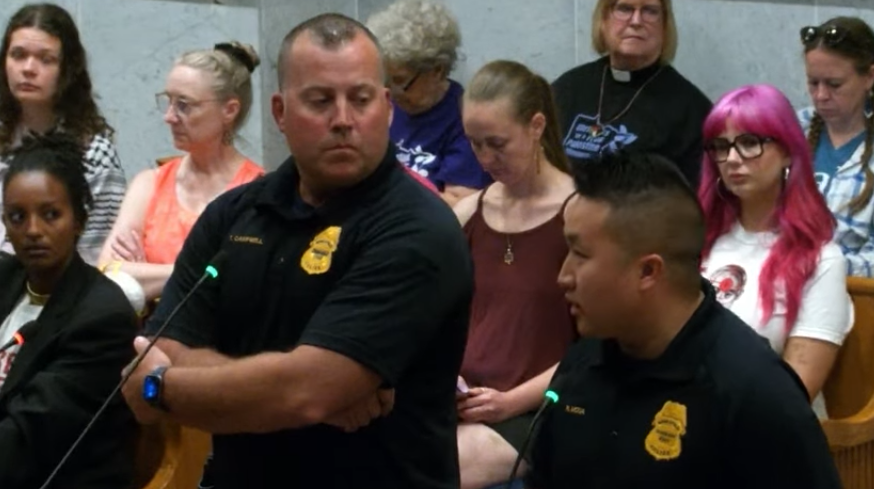
Photo Credit: YouTube/ City of Minneapolis - Representatives of the MPD
(MINNEAPOLIS, Minn.) – A proposal to launch a free 75-day pilot program testing the capabilities of the Skydio Drone as First Responder (DFR) technology for the Minneapolis Police Department (MPD) ended in a 6-6 deadlock during the Minneapolis City Council's July 16 meeting, preventing the program from moving forward.
Supporters of the program say the pilot test is simply a way to determine if the technology would be beneficial in assisting in certain emergencies. In theory, use of the technology should improve response times and officer/resident safety, as well as gathering evidence before executing a response. The MPD 4th Precinct currently averages a seven-minute response time; the drone could respond in less than two minutes.
According to MPD records, the drone could have assisted on approximately 7,800 calls this year alone, and around 40 calls per day could be fielded by the technology first. Officers would be aware of dangerous situations in advance. That way, officers arrive equipped to de-escalate the situation as quickly as possible.
Opponents say use of the drones would normalize police presence and surveillance, eventually leading to over-policing and unwarranted monitoring of residents. Several council members brought up recent experiences between the community and unidentified drones during the ICE operations and protests. Many immigrant and North Minneapolis communities already distrust surveillance technology. In addition, many residents can’t tell the difference between MPD, federal, or other law enforcement drones, so deploying the drones even on a test basis could exacerbate preexisting distrust of the MPD.
Mayor Jacob Frey emphasized that the technology could be instrumental in aiding the highly understaffed MPD. He noted the drones could help reduce unnecessary dispatches by identifying situations where officers aren’t needed, freeing officers for high-priority emergencies. Opponents argue that current accountability measures are inadequate. Some noted Internal Affairs' existing backlog and feared any oversight would be inadequate.
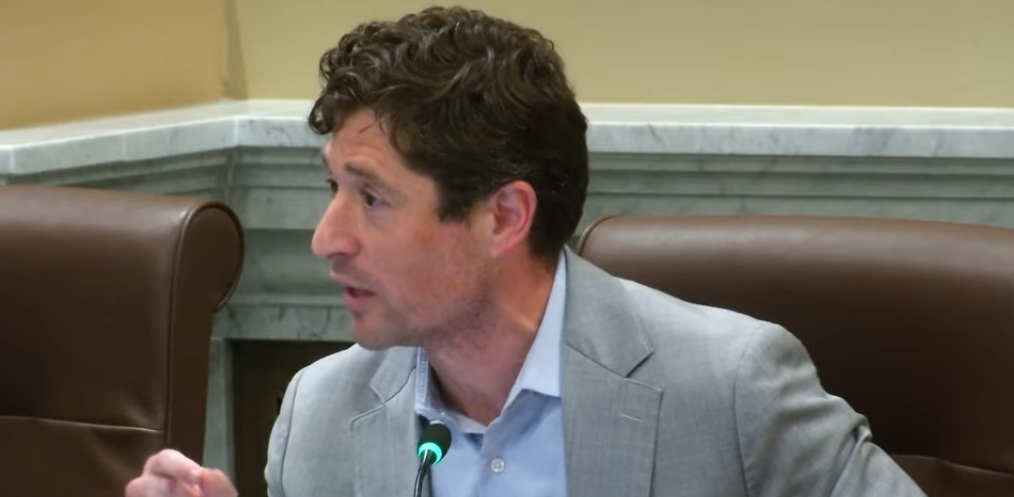
Photo Credit: YouTube/ City of Minneapolis - Mayor Jacob Frey
Furthermore, supporters say drones could locate missing or lost persons, aid in water rescues, deliver Narcan, clarify if actual shots were fired (versus fireworks or a backfiring car), and confirm alarms. The drones would not be weaponized or include facial recognition software, nor would they perform routine surveillance patrols. A public dashboard would be implemented to document all deployments, and drone use would be limited to qualifying emergency calls.
This only raised further questions from opposing council members regarding who would investigate misuse, what happens to officers that violate policy, and how accountability can be obtained. Contract language brought additional concerns, including who has data ownership, privacy protections, vendor liability, definitions of confidentiality, collection of metadata, and more.
Despite being reassured that the MPD would retain control of all collected data, and any footage that does not contain evidence of a crime would be deleted after a week, several members feared that government agencies (e.g., ICE, DHS, FBI) could ultimately gain access to the information. In the end, it all boiled down to maintaining a fragile trust with residents and a fear that the city would have insufficient legal protections if something went wrong during the test period.
To add to or correct any information in this report, please contact me at kristin.h@lead4earth.org.
0
0

Comments