(SAN FRANCISCO, CA.) – What is the state of education in San Francisco, and has the teachers’ strike improved any conditions?
On Feb. 9th, 2026, teachers in San Francisco went on strike until Feb. 13, 2026. This was the first teachers’ strike to occur in San Francisco in nearly fifty years.
They demanded reasonable wages, full health insurance coverage, and better resources for special needs students. The strike ended after a long negotiation, with a tentative deal meeting an extent of their demands.
OpGov.ai reached out and interviewed Nelson Barry, the president of a nonprofit organization called Urban Angels SF. The organization specializes in assisting students of low socioeconomic statuses to receive an education.
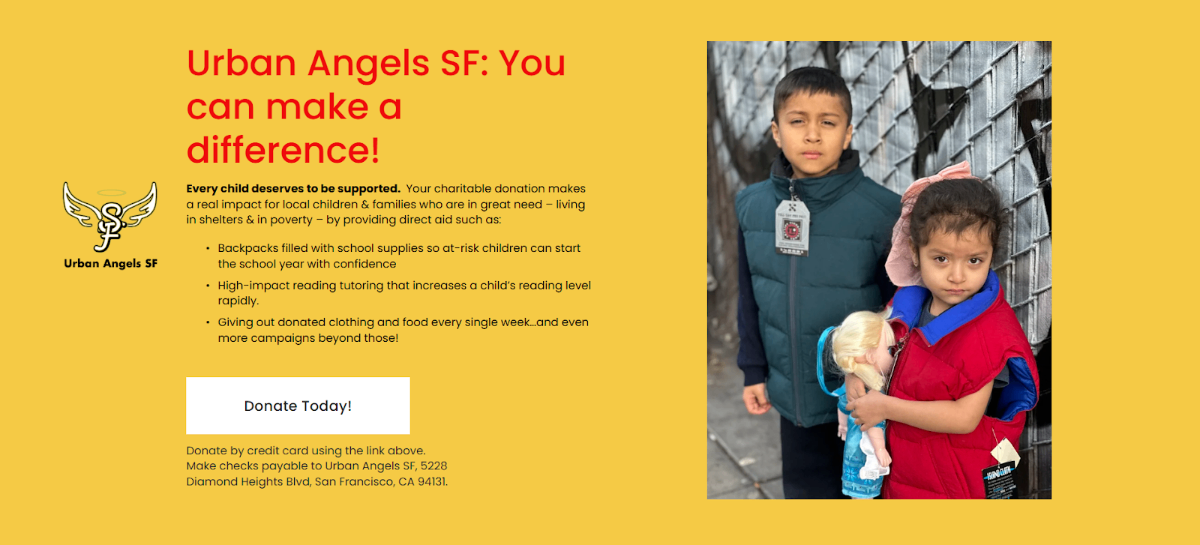
Photo Credit: Urban Angels SF
When asked how he came to be the president of Urban Angels, he said, “I started Urban Angels in December of 2015. I came out of Rainbow Groceries on December 16th, and I looked up and down the street.”
He continued to explain a story in which he saw many homeless people living in tents. He saw “a gentleman” get out of one to wring out his wet socks.
Barry mentioned the story to some people he had breakfast with, and they spoke with the owner of the restaurant they frequented. The owner made burritos, so he and his friends then gave the burritos to the homeless people.
Nelson Barry told OpGov.ai, “They went very fast. And we asked what else you need. And they said, ‘warm clothing, especially socks.’ So we […] put out a clothing donation box and let the neighborhood know.”
They started receiving more and more donations over the years, allowing the organization to grow.
Barry said, “And then in late 2023 and early 2024, the board of directors of Urban Angels started looking at the idea of instead of handing out fish, we might want to teach somebody to fish.”
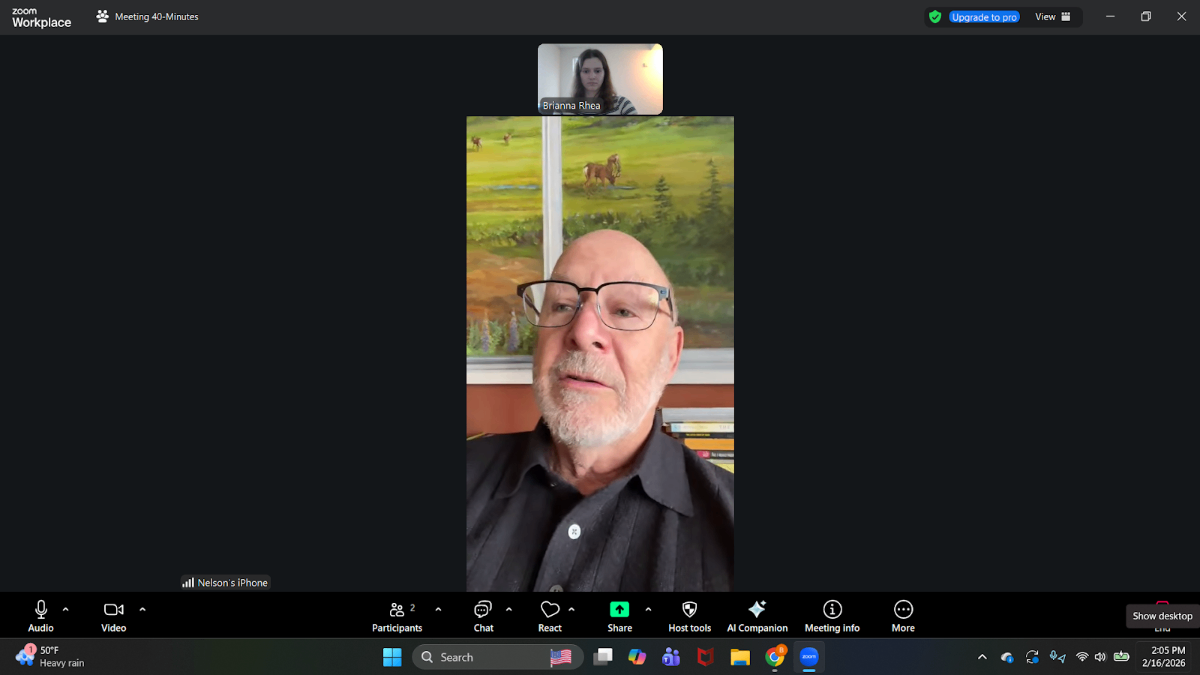
Photo Credit: Zoom / Brianna Rhea
He continued to explain, “So instead of handing out food and clothing and water and thousands of other items that had been donated to us, we decided to focus on the education of underserved children, mainly those from families that are unhoused or living at the poverty level in San Francisco.”
He specified that Urban Angels SF is a city organization, and they do not “go past the boundaries of the city.”
Urban Angels SF provides one-on-one online tutoring programs for children, Chromebooks, and noise-cancelling headphones for the duration of the program. The president of the organization said that the program usually lasts approximately nine months for students.
A lot of the tutoring is centered around reading and mathematics.
Barry told OpGov.ai, “We found out that it's really crucial that children be reading proficient by 5th grade. If they are, they will do better in all their subjects, and they will graduate from high school, and they will go on to have pretty fulfilling lives.”
He added, “If they're not, they will probably not graduate from high school. They're 45% more likely to experience homelessness in their life.”
He went on to provide more information about the programs Urban Angels SF provides, such as giving away books and providing “parenting mentoring classes.”
He said, “Our third program is our parent mentoring class, where many of the children that we serve are from Latino families, and the parents haven't made it past second or third grade. And so they don't have any role models on how to be good parents when it comes to supporting the education of their children.”
He also said, “And in the Latino culture, many of the biases are that once their child gets a wage job, that they're on their own and they're doing good and they don't have to aspire to more than that. And some of these are just low-paying jobs and it really doesn't do anything except perpetuate the cycle of poverty to the next generation.”
Barry told OpGov.ai that the mentoring classes tell these parents to read to their children, attend parent-teacher conferences, and make sure that their children do their homework.
The organization also provides school supplies to students.
After making these explanations, the president of the organization also shared his opinions about the teachers’ strike with OpGov.ai. He did not view it favorably.
OpGov.ai prefaced that the teachers’ strike ended less than a week after it began, and students were expected to return to class on Wednesday, February 18th.
Barry responded, “I think it's great that they're getting back to school, and my main reason is that underserved students suffer the most when the schools are shut down. They don't have any after-school care.”
He also said, “They don't have anybody at home to take care of them. Many times, the only good meal they get during the day is at school if they have a food program.”
He clarified that his “bias” is that teachers do not get paid enough.
He also said, “I think it's been over 30 years since the San Francisco teachers went on strike. And I think they've been very, very good in terms of, like, sticking to their jobs and not having any unnecessary strikes.”
When asked if he thought that what teachers’ gained from the strike would help improve education, he said, “No, I don't think it will help improve education because I think the teachers were already doing a good job beforehand or as good a job as they're going to do.”
Barry commented, “I don't think the extra benefits will make them say, ‘okay, now I'm going to go back and be a better teacher than I was before.’”
OpGov.ai asked how the school system disadvantages students.
He answered, “Well, financially, the system right now cannot address the needs of the underserved students because it's too expensive or because it's expensive and the challenges would require a much bigger investment, especially in the pre-K and K through 5 grade levels, and particularly with regard to getting the children reading proficient, because the children lack the kind of support that their middle-class peers get when they're at home.”
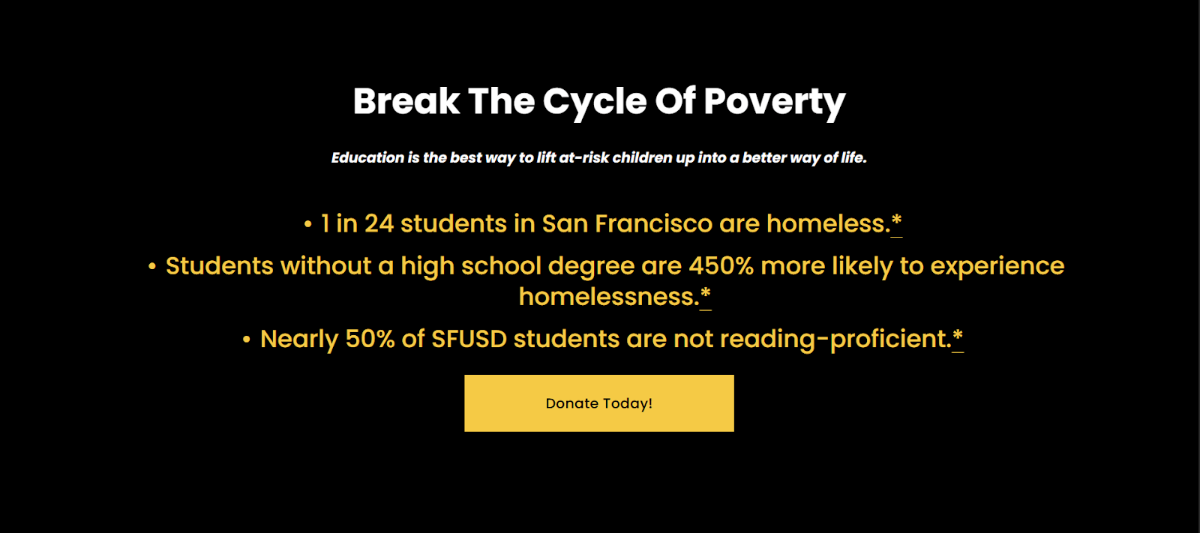
Photo Credit: Urban Angels SF
He repeated some statistics he had stated earlier and reiterated that many students struggle to read. He also said, “So these children are really being left behind and that's why our work is needed and the work of other organizations are needed to come in and help try to bridge the gap.”
The final question of the interview was what members of the San Francisco community could do to minimize disparities in education. He suggested volunteering at organizations like his own, donating money to nonprofits, and demanding that politicians do more for the needs of students.
A link to Urban Angels SF website can be found here.
Do you agree or disagree with Nelson Barry’s opinions about the teachers’ strike and education within the community? Please leave a comment down below.
If you have any information or resources you would like to add, feel free to email me at brianna.r@lead4earth.org.
0
0

Comments