(OPGOV GLOBAL) – The Senate Health, Education, Labor and Pensions Committee advanced Dr. Erica Schwartz’s nomination to serve as director of the Centers for Disease Control and Prevention (CDC) on July 30, moving President Donald Trump’s nominee closer to confirmation.
The committee approved Schwartz’s nomination in a 13-10 vote, with Republican members and Democratic Senator Tim Kaine of Virginia voting in favor. The nomination will now move to the full Senate for consideration.
If confirmed, Schwartz would lead the Centers for Disease Control and Prevention (CDC), the federal agency responsible for monitoring disease outbreaks, collecting national health data, supporting emergency responses, and issuing public health guidance.
Schwartz previously served as deputy U.S. surgeon general during Trump’s first administration. Her nomination came after a period of leadership changes at the CDC, which has faced ongoing discussions about the agency's direction, public trust, and the role of scientific guidance in federal health decisions.
During her confirmation hearing on July 15, lawmakers questioned Schwartz about maintaining the CDC’s scientific independence while serving under Health and Human Services Secretary Robert F. Kennedy Jr.
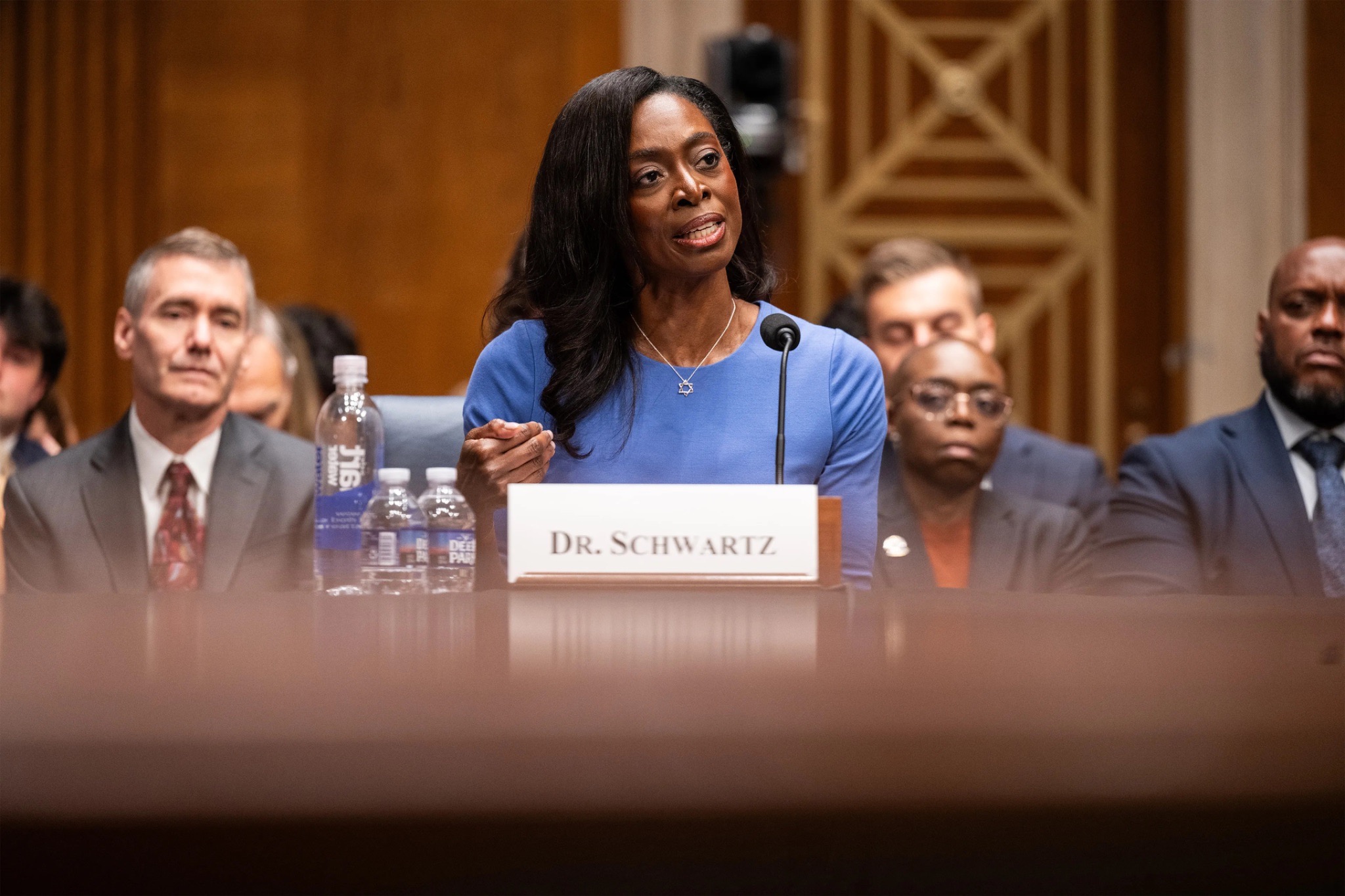
Dr. Erica Schwartz speaks before the Senate HELP Committee during her July confirmation hearing.
Photo Credit: Eric Harkleroad/KFF Health News
Kennedy has faced criticism from some public health experts over his past statements regarding vaccines and federal health policies.
During the hearing, Schwartz told senators that CDC decisions would be based on scientific evidence and that she would maintain the agency’s commitment to research-based recommendations.
The CDC’s role includes investigating disease outbreaks, tracking health trends and coordinating responses with state and local health departments. According to the agency, its responsibilities include protecting communities from infectious diseases, environmental health threats and other public health emergencies through surveillance, research and prevention efforts.
Public health researchers have emphasized that trust and transparency are key factors in effective health communication. The National Academy of Medicine (NAM) has identified public confidence, clear communication and evidence-based decision-making as important components of successful public health responses, particularly during emergencies.
The nomination comes as the Trump administration continues making changes across federal health programs.
Earlier this week, the administration announced it would end a temporary Medicare Part D premium stabilization program that helped reduce increases in prescription drug premiums for some beneficiaries.
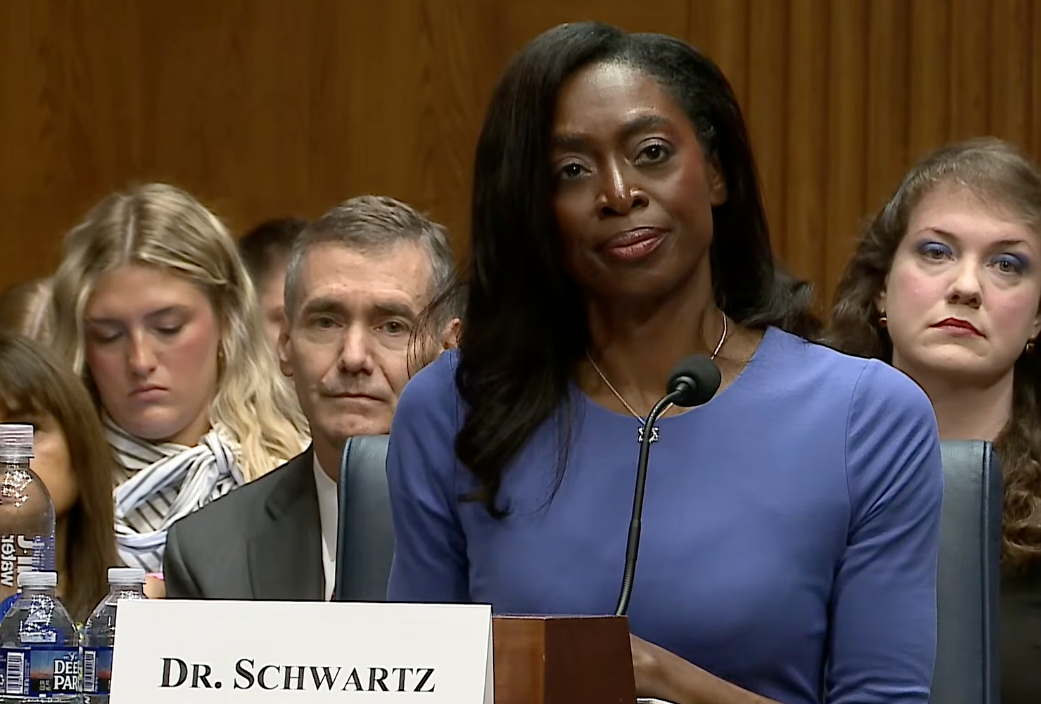
Dr. Schwartz emphasizes her commitment to research-based recommendations during questioning by lawmakers.
Photo Credit: Medical Economics/Medical Economics
The Medicare policy change was covered in “Trump Ends Temporary Medicare Part D Premium Backstop, Shifting the Focus to What Comes Next,” written by OpGov.News journalist Harika Viswanatham. The article examined how the administration’s decision could affect Medicare beneficiaries and prescription drug costs.
The CDC has also remained involved in responses to food safety concerns and disease outbreaks.
In “The F.D.A. Still Hasn’t Figured Out Why Your Lettuce Is Infested,” OpGov.News journalist Teri Tracy reported on a multistate Cyclospora outbreak linked to contaminated produce and federal efforts to identify the source.
Foodborne illness investigations often require coordination between agencies, including the Food and Drug Administration and the CDC. While the FDA typically leads investigations into contaminated food products, the CDC helps track illnesses, identify outbreak patterns, and provide public health guidance.
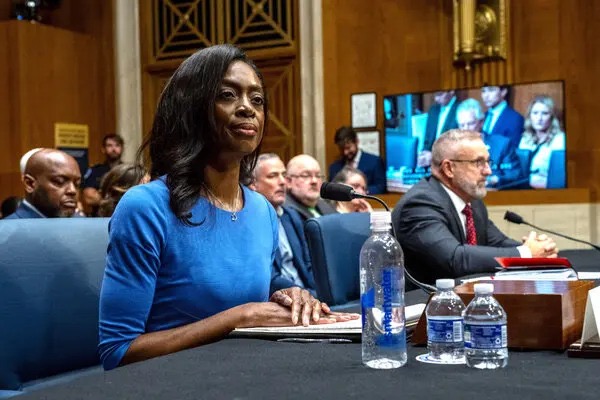
Senate panel members weigh Dr. Schwartz's qualifications as her nomination advances toward a full Senate vote.
Photo Credit: The New York Times/The New York Times
Supporters of Schwartz’s nomination said her medical background and previous government experience make her qualified to lead the CDC during a period of transition. They argued that her confirmation would provide stability for an agency responsible for responding to national health threats.
Opponents of the nomination have raised concerns about whether Schwartz would be able to challenge political pressure and protect the independence of CDC recommendations. Some Democratic lawmakers questioned how she would respond if administration officials disagreed with scientific findings or public health guidance.
If confirmed by the full Senate, Schwartz would oversee the CDC as the agency continues addressing infectious disease monitoring, emergency preparedness and public health initiatives.
The timing of the final confirmation vote remains uncertain.
To add to or correct any information in this report, please contact me at victoria.o@lead4earth.org.
Thumbnail Photo Credit: NBC News/NBC News
0
0

Comments