(SAN DIEGO, CA.) – The San Diego City Council approved updates to the city’s Heritage Preservation Program last week by passing the “Preservation and Progress Package A,” a plan aimed at making it easier to build new homes while still protecting historic and cultural sites.
The policy also creates a new appeal process, allowing the City Council to review and overturn decisions made by the Historic Resources Board. The board is made up of experts in architecture, history, and archaeology who determine whether properties qualify as historic.
The item passed in a 5–1 vote.
The debate highlights the tension between housing growth and historic protection. Supporters say the changes help the city meet housing goals, while opponents argue they shift power from preservation experts to elected officials.
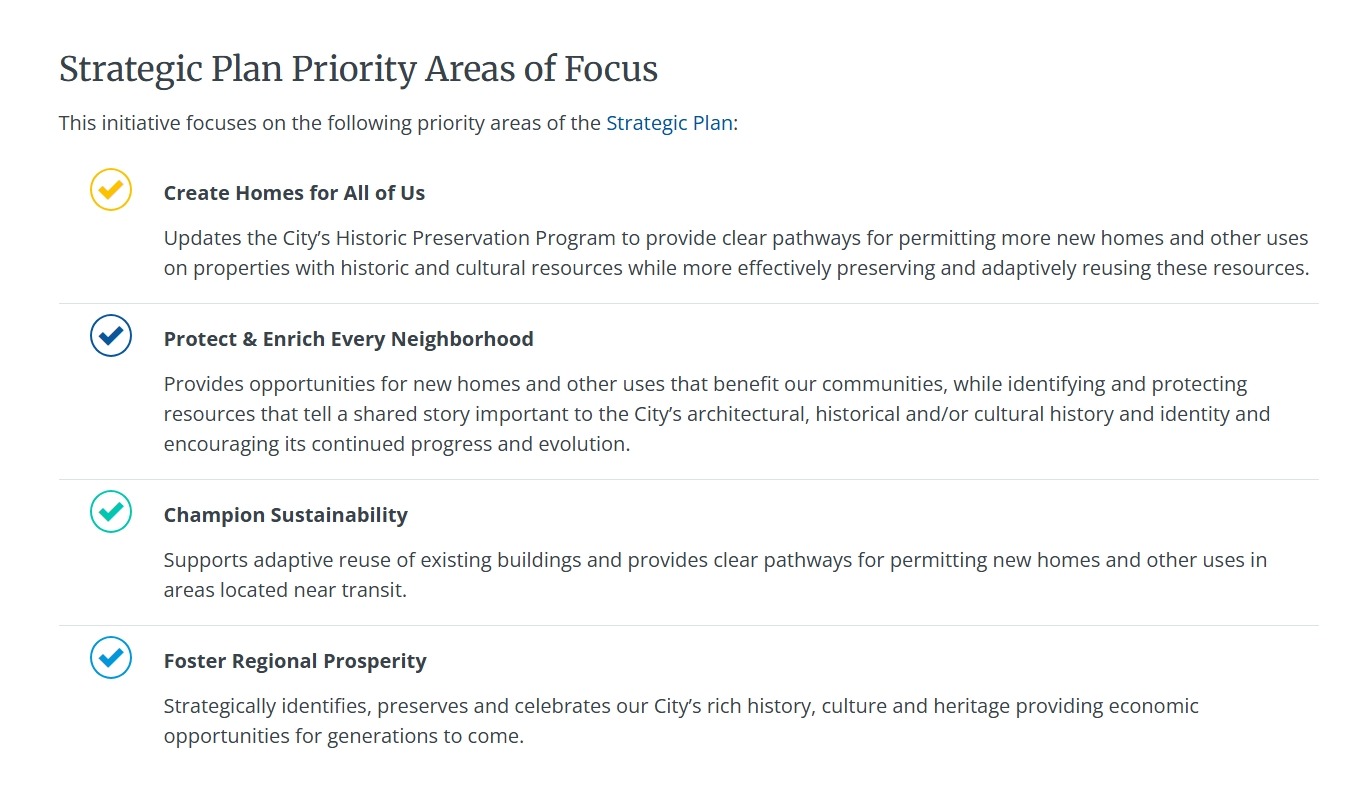
Photo Credit: Preservation and Progress | City of San Diego Official Website
Earlier in the review process, the Community Planners Committee voted 28–0 against Package A on Oct. 30, 2025, saying that it might weaken protections for historic sites. At the Feb. 23 City Council meeting, council members said meeting the city’s housing goals was a key factor in the updates. Residents spoke out about the potential impact on historic neighborhoods.
San Diego residents spoke out during public comment.
Resident Ione Stiegler, a preservation architect, said, “Turning this technical, evidence-based process into a political one is embarrassing for a Democratic-led city.”
Executive director of the Save Our Heritage Organisation Bruce Coons asked the council to delay changes until a historic resources survey is completed. This type of survey would identify buildings, neighborhoods, and sites with historical or cultural significance.
Coons said, "Historic designation is a factual, not political, determination that doesn’t stop development, but ensures proper consideration. The current expert-based process is efficient, and de novo appeals would create more uncertainty and litigation. Ocean Beach needs a full survey before changes are made.”
Resident Mandy Havlik said the proposal could open neighborhoods like Ocean Beach to overdevelopment. She noted that only 72 of more than 300 potentially historic cottages are officially recognized. Without a full survey, remaining sites could lose protection, allowing denser housing projects. Havlik warned the changes “could lead to increased densities without adequate infrastructure."
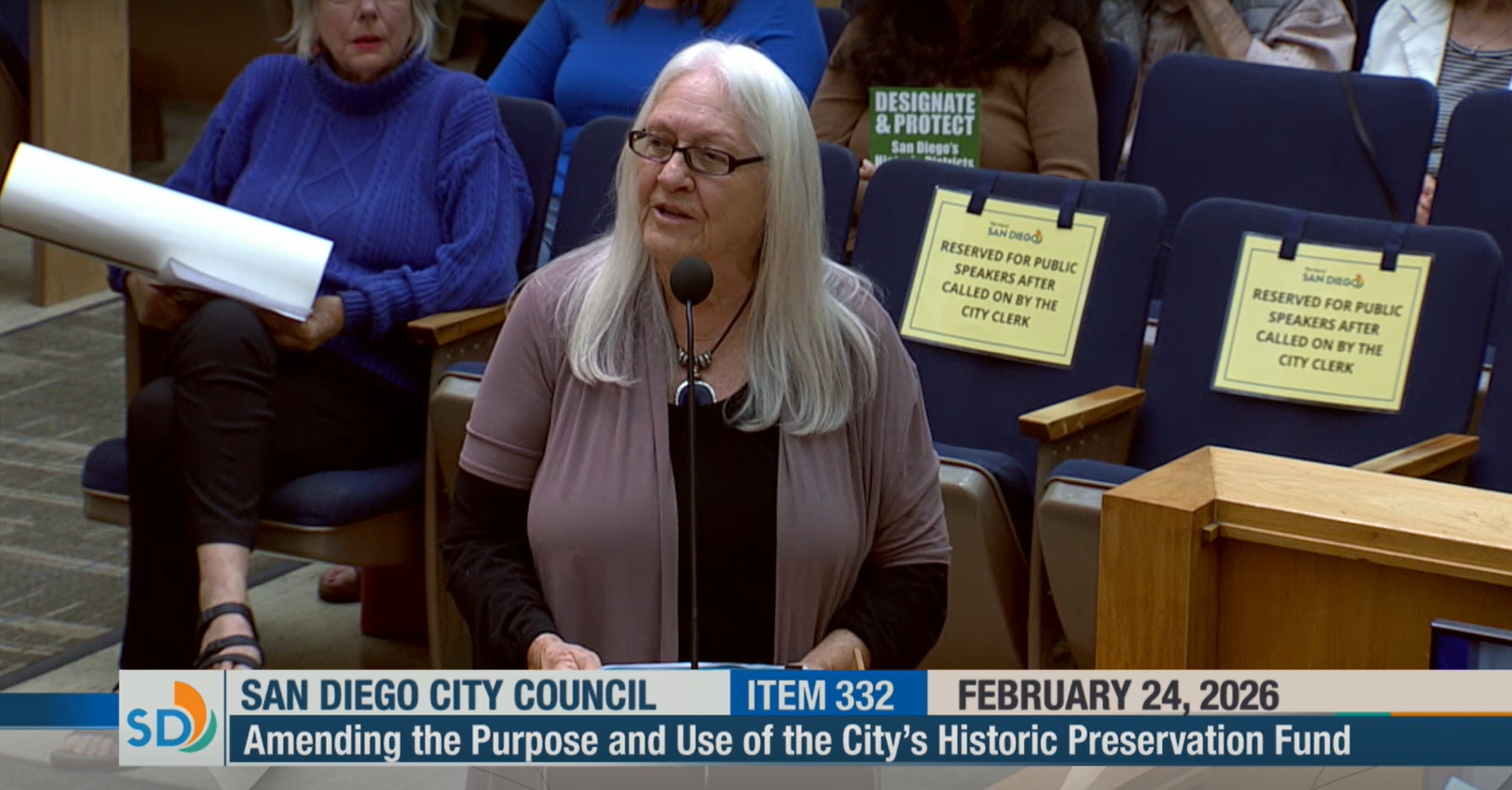
Photo Credit: City of San Diego, Resident Mandy Havlik
Supporters pushed back on that claim.
Councilmember Raul Campillo said the package does not change the criteria used to designate historic properties. Campillo said the changes are limited to appeals, adding that they allow the council “to make decisions based on other things” when reviewing cases.
Councilmember Stephen Whitburn said San Diego faces serious housing shortages and must remove unnecessary barriers that slow development.
Whitburn said, “These reforms strengthen noticing, they clarify appeal processes and they improve alignment between state and local review, all while maintaining strong protections for truly historic resources.”
In Philadelphia, city officials have a system that decides which buildings and neighborhoods are considered historic. Some people have challenged the system because they say it can make it harder to build new housing. In San Jose, California, city leaders are considering changes to how historic buildings are reviewed, which could give them more flexibility to approve development projects even in historic areas. Some residents worry this could weaken protections for older neighborhoods.
These examples highlight the same challenge San Diego faces: finding a balance between keeping historic neighborhoods intact and making room for new housing.
With the council’s approval, the Preservation and Progress Package A is now in action, allowing elected officials to step in on historic decisions previously handled only by preservation experts.
The city is also planning a second phase of updates, known as Package B. These changes will focus on how historic resources are identified, protected and maintained.
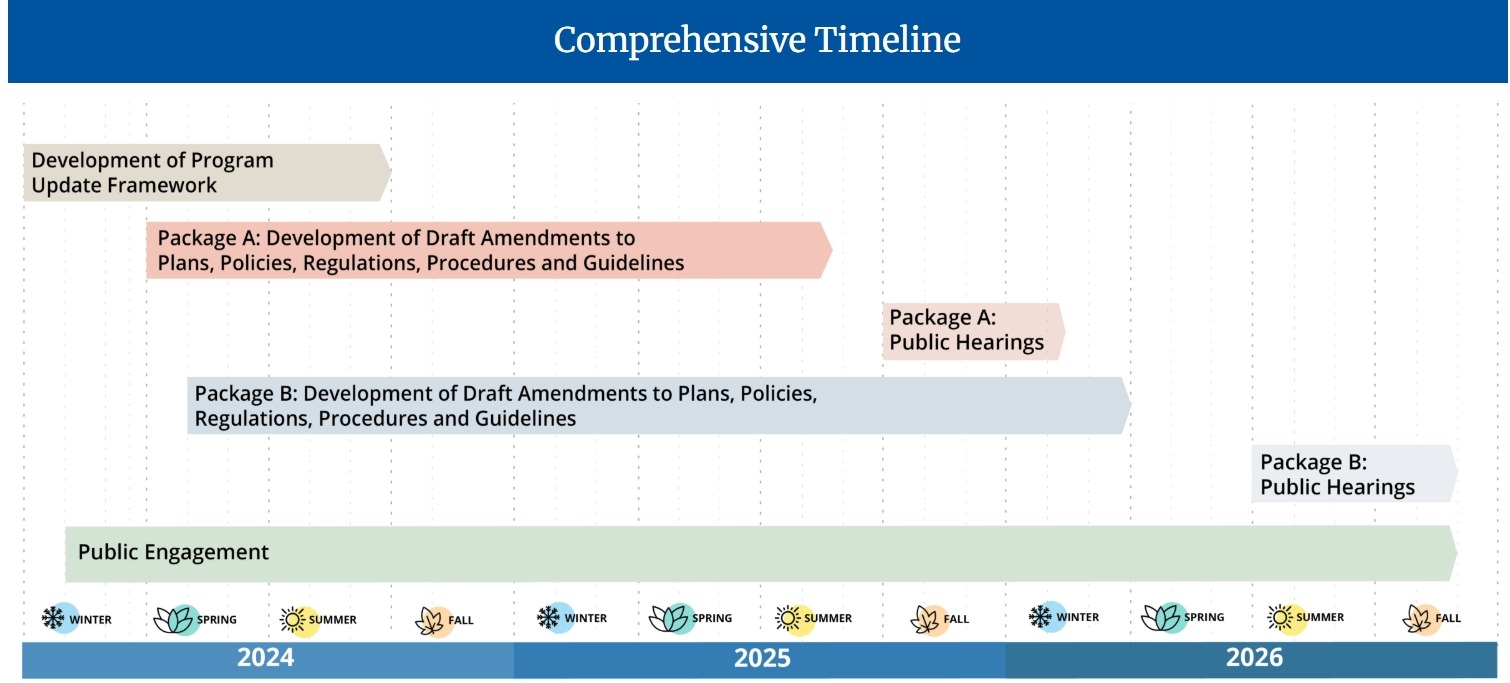
Photo Credit: Preservation and Progress | City of San Diego Official Website
Proposed updates include changes to the Mills Act Program, stronger protections to prevent historic buildings from deteriorating, and new guidelines for preserving and reusing historic structures. The city is also exploring ways to simplify the preservation review process and create programs to recognize historically significant properties.
City officials say the process will include additional public engagement before the next set of changes moves forward.
If you have questions or comments about this report, please email me at jenny.r@lead4earth.org.
0
0

Comments