(SAN DIEGO, CA.) – The San Diego City Council approved the city’s 2027 fiscal year budget after hours of debate over how to balance public safety, community services, and the city’s financial challenges.
The vote was 5-4. The final budget restored funding for libraries, parks, recreation centers, arts programs, and other services that had previously been proposed for cuts.
The debate came as the city faces a structural budget deficit, meaning it spends more money than it brings in each year, along with billions of dollars in unfunded infrastructure needs. Council members warned that the city will continue facing difficult budget decisions without new revenue solutions.
The main fight was over a surveillance camera system that costs about $2 million a year. The system, known as Flock, uses AI-powered automated license plate readers placed across the city. Some council members argued the program should end and the money should go toward community programs. Others said the cameras give police an important tool to investigate crimes.
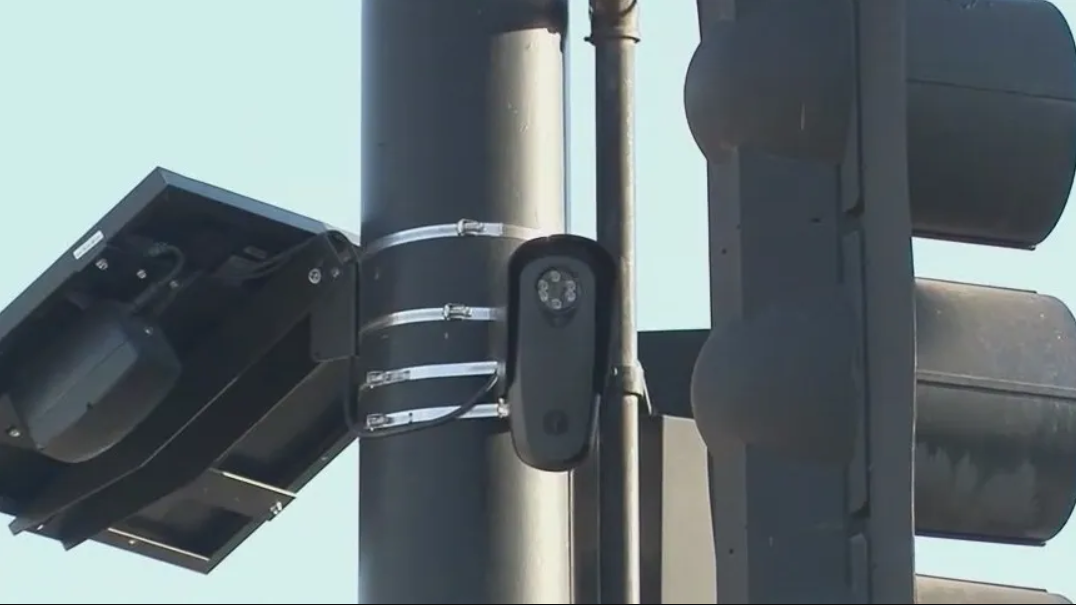
Photo Credit: Flock Safety Surveillance
Councilmember Sean Elo-Rivera opposed keeping the cameras. He said the technology had created serious concerns after wrongful arrests linked to inaccurate data.
"That false confidence led to the wrongful jailing of two innocent people in our city. One of them spent over a month behind bars, missing Thanksgiving with his family for something he didn't do," Elo-Rivera said.
He questioned whether the city is using its money in the best way.
"Do we want to use scarce resources on a 24/7 AI-powered surveillance system, or do we want to use those dollars to keep parks open, restore library hours, and create opportunities for young people, families, and seniors?" Elo-Rivera said.
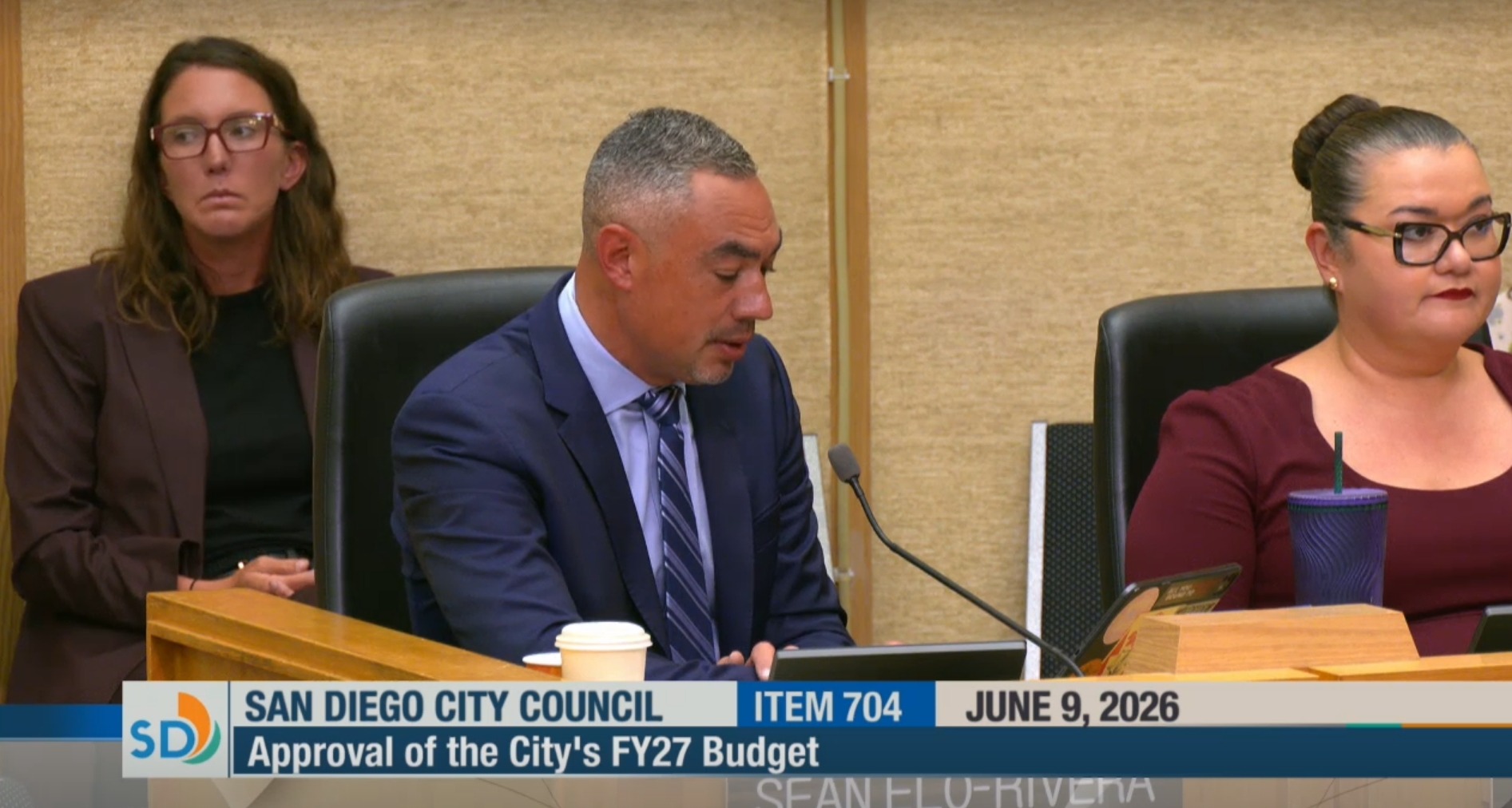
Photo Credit: City of San Diego
Councilmember Joe LaCava supported keeping the cameras. He said the technology helps police officers investigate crimes.
LaCava said the system was connected to “792 investigations and the recovery of $7.5 million in stolen property.”
During public comment, Brendan Segal, senior policy advocate for the ACLU of San Diego and Imperial County, criticized the city’s decision to continue funding surveillance technology while other community services faced cuts.
“The budget should tell a story of hope over fear,” Segal said.
Segal argued the city should prioritize investments in youth programs, libraries, parks, arts, and green infrastructure instead of expanding automated license plate readers.
The council first considered a budget proposal that would have removed funding for the Flock system. That proposal failed in a 5-4 vote.
A second amended budget proposal passed 5-4. The approved budget kept funding for Flock while restoring several community programs and services.
Budget Chair Henry Foster explained that the city faced difficult decisions because of limited resources.
"We are being asked to make choices. In a city where we don't have the resources, the only difficult thing we get to do is make those choices," Foster said.
The final budget restored $6 million in arts and culture funding, restored the multimodal transportation safety team, and brought back funding for several libraries and recreation centers.
Councilmember Raul Campillo emphasized the importance of keeping city services staffed. He warned that even essential services depend on proper funding.
“Firefighters and lifeguards should not have to beg this city for the basics they need to do their jobs,” Campillo said.
The budget also included additional funding for stormwater maintenance and homelessness programs.
Some council members worried about the city's long-term finances. They said the city cannot continue relying on annual budget fights to decide which services receive funding.
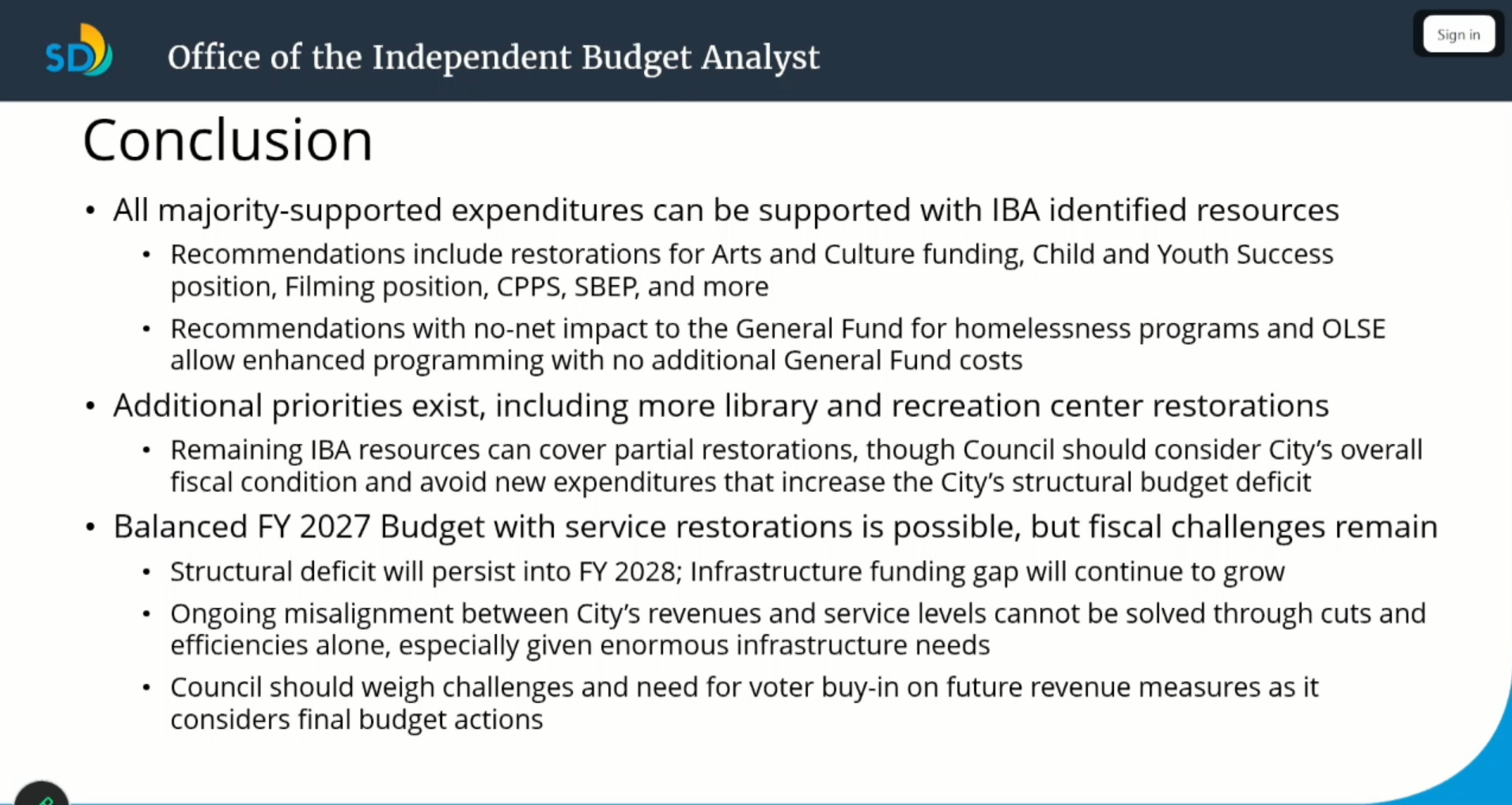
Photo Credit: City of San Diego
Councilmember Kent Lee said the problem needs to address its ongoing financial problems.
"We must address our revenue challenges and our ongoing structural budget deficit. Year after year, we find ourselves fighting over what services to cut and what services to save," Lee said.
Councilmember Marni von Wilpert said the city must balance investments in community programs with public safety responsibilities.
"We need public safety. It is the city's primary responsibility to our citizens," Wilpert said.
Public commenters also debated how the city should spend its money, with some arguing that investing in community services is a better approach to public safety than surveillance technology.
Pat Wilson, representing the San Diego Public Library, thanked the council for restoring library funding but urged officials to continue supporting community programs.
“Investing in community resources is public safety,” Wilson said.
Danny Rose, a public commenter, argued that libraries, parks, and youth programs create safe spaces for residents.
“Surveillance doesn’t make people feel safe. It makes people feel watched,” Rose said.
The council also approved the San Diego Housing Commission’s 2027 budget, which included adjustments due to federal funding challenges and continued pressure on affordable housing programs.
Council President Joe LaCava said the approved budget was not perfect but was a step forward.
“It doesn’t get us entirely to where we should be. But it’s a step. We’ll keep fighting for the rest,” LaCava said.
The budget now moves forward for the 2027 fiscal year.
If you have any comments or questions regarding this article, please contact me @jenny.r@lead4earth.org.
0
0

Comments