(SACRAMENTO, CA.) — Sacramento County officials are emphasizing that the county's newly adopted Crowing Fowl Ordinance is intended to protect both animals and the public, saying the updated regulations address animal welfare, public safety and illegal cockfighting—not just noisy roosters.
In a news release issued Wednesday, Sacramento County Animal Care Services said the ordinance provides clearer standards for keeping roosters in unincorporated areas while strengthening protections for animals and neighboring residents.
"More than a noise complaint" is how the county describes many calls involving roosters.
While excessive crowing is one reason Animal Control Officers are dispatched, officials said officers also assess the overall health and welfare of birds, including whether they have access to adequate food, clean water, appropriate shelter and safe living conditions. Officers also look for signs of neglect, overcrowding and injuries that may require intervention.
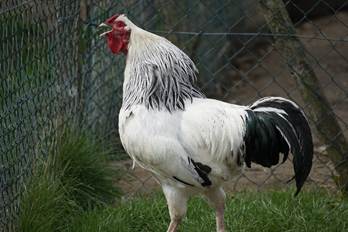
(Image credit: jhenning, pixabay.com.)
According to the county, most backyard poultry owners maintain small flocks and care for their animals responsibly. However, Animal Care Services said officers occasionally encounter properties with unusually large numbers of roosters, which can create animal welfare concerns such as injuries from fighting, poor sanitation, inadequate housing and limited access to food and water.
In some cases, officials said those conditions may warrant further investigation into possible illegal activity.
Cockfighting remains illegal throughout California and is considered a form of animal cruelty. Sacramento County said Animal Control Officers work alongside law enforcement when investigating suspected cockfighting operations and are trained to recognize indicators that birds may be bred, housed or conditioned for fighting.
The updated ordinance also establishes numerical limits on the incidental, non-commercial keeping of roosters based on parcel size and creates a registration process for qualifying properties that may require additional birds for recognized purposes.
Additional provisions include:
Minimum animal care standards.
A prohibition on tethering roosters.
Expanded enforcement tools for County Animal Care Services.
County officials said the ordinance is intended to provide clearer expectations for responsible rooster ownership while helping reduce nuisance conditions before they become larger animal welfare issues.
The ordinance follows a lengthy and often emotional public hearing before the Sacramento County Board of Supervisors, where residents expressed sharply divided opinions over proposed rooster regulations.
During that meeting, some residents described years of disruption from properties housing large numbers of roosters, while others argued rooster ownership is closely tied to agricultural traditions, cultural practices and private property rights.
Former Sacramento County Agricultural Commissioner Jim Allan also told supervisors that rooster complaints have been an issue for decades and said Sacramento County adopted one of California's earliest rooster ordinances after dealing with properties housing hundreds—and in some cases thousands—of birds.
Sacramento County residents with concerns about roosters in their neighborhoods are encouraged to report them by calling 311. Additional information, including frequently asked questions and registration requirements, is available through Sacramento County's Crowing Fowl Ordinance webpage.
If you’d like to add or correct anything in this report, feel free to reach out to me or leave a comment below. Submit Sacramento County tips and story ideas to Sarah Denos at sarahkdenos@gmail.com.
0
0

Comments