(SACRAMENTO, CA) — The February 3 Sacramento city council meeting this week marked a turning point for the city, blending historic policy changes with controversial development decisions and emotional public appeals. From repealing an outdated comic book ban to approving digital billboards and debating longevity pay for appointed officers, the session reflected Sacramento’s evolving priorities—and the tensions that come with them.
OpGov.ai platforms reports the meeting began with a unanimous vote to repeal Sacramento City Code section 9.12.010, eliminating a decades-old prohibition on distributing certain comic books to minors. Council Member Caity Maple (District 5) called the move “a historic day,” adding:
“Comic books can be wonderful things that provide a lot of value to young people to our communities. They can speak truth to power on topics that can educate us and beyond.”
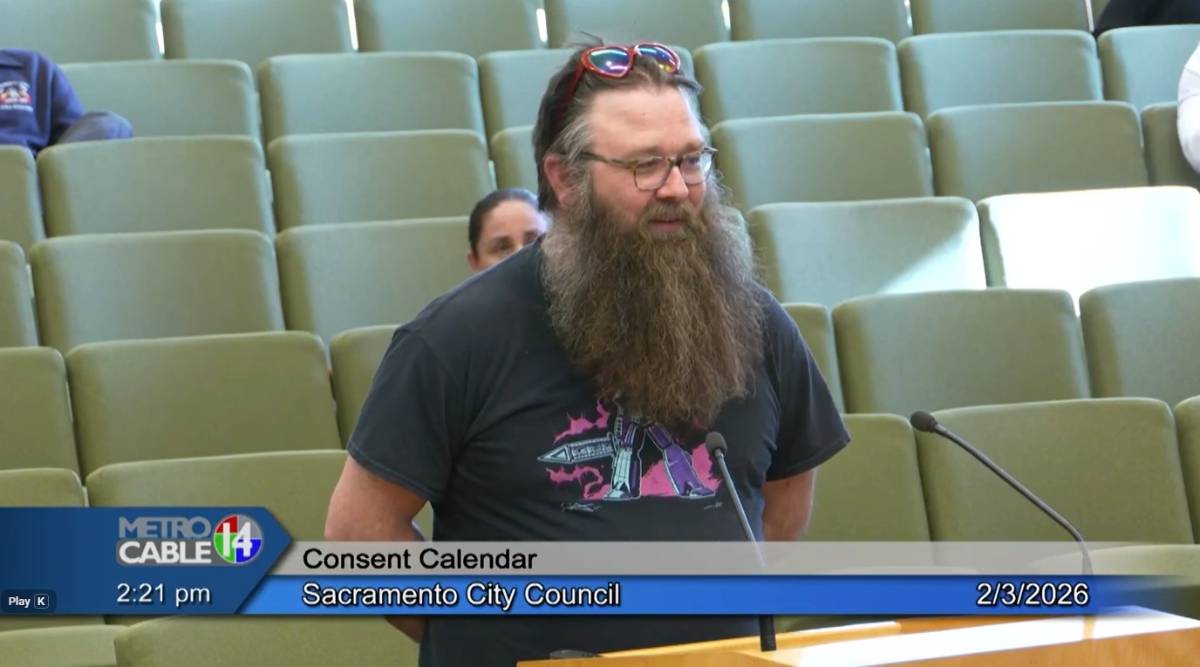
(Photo of Evan provided by Metro 14 YouTube video.)
Public speaker Evan praised the repeal, sharing how comic books transformed literacy in local classrooms:
“Comic books can be incredibly transformative. They can give a kid true power to come to literacy, not delinquency,” Evan said.
While this cultural milestone drew applause, the tone shifted as the council turned to an ordinance allowing more digital billboards in Sacramento, tied to the Railyards development project. Critics argued the deal prioritizes corporate profit over affordable housing.
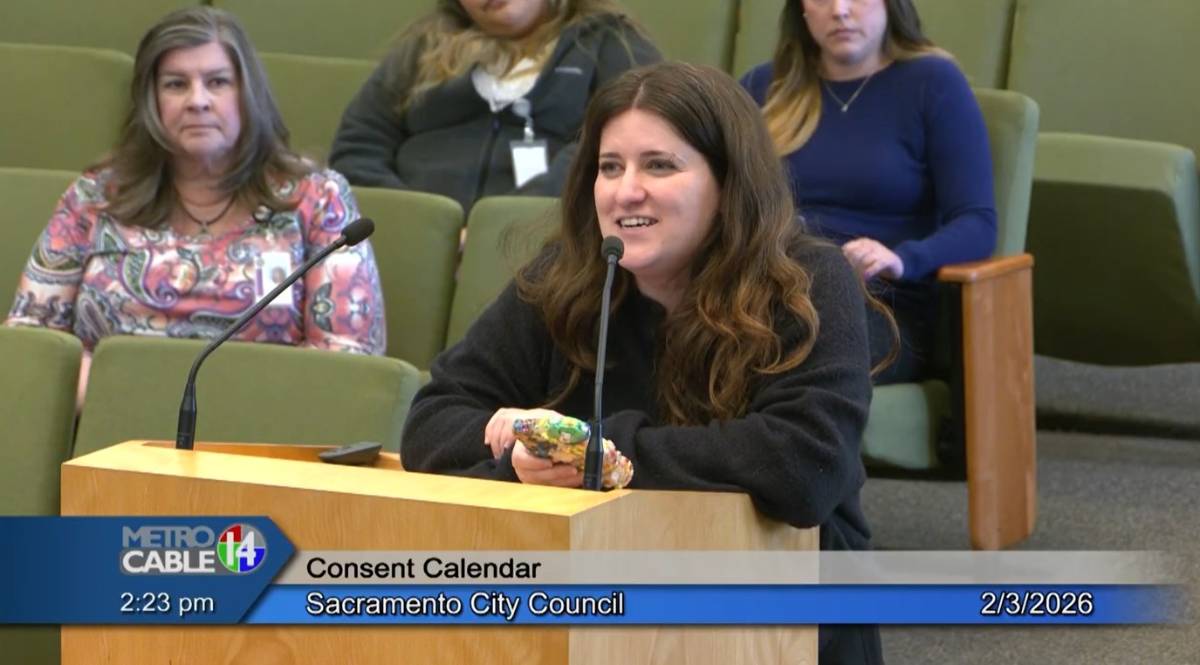
(Photo of Sonya Carabel provided by Metro 14 YouTube video.)
Community advocate and UNITE HERE Local 49 union leader Sonya Carabel voiced strong opposition:
“We have been fighting for the last year for a better deal at the Railyards. Today, you are voting on one piece of an overall corporate giveaway plan—specifically, the first reading of the amendment to the city ordinance that would allow more billboards in agreements to help the Railyards make more money, while affordable housing remains at 6 percent, Carabel said, adding “the overall amount of subsidy may be as much as $220 million between IFD and billboards. Six percent affordable housing is not acceptable given the level of subsidy.”
Sonja Carabel called for full transparency regarding the value of the billboards, noting that the city plans to offer zero-dollar leases, and urged that funds be directed toward addressing Sacramento’s critical issues, such as affordable housing. She emphasized that community members opposed the deal last summer and that Railyards residents, including those who have experienced homelessness, view it as unjust to grant developers millions while providing only six percent affordable housing. Carabel stated that repeatedly approving the same flawed agreement is unacceptable.
“I ask you to take a hard look—not just at the next vote on February 24 on this amendment, but at the whole Railyards deal,” she said. “As there continue to be more votes, each is an opportunity to do better by the people of Sacramento. The people of Sacramento deserve better,” Carabel added.
The debate over development incentives was followed by another contentious issue: compensation for appointed officers. The council approved automatic longevity pay after 17 years of service, despite objections from three members who favored performance-based evaluations.
Maple defended the measure: “If we offer longevity pay to employees throughout the city of Sacramento, it makes sense to include appointed officers who have been with us for 17 years or more. We value them and their time with the city and want to encourage longevity.”
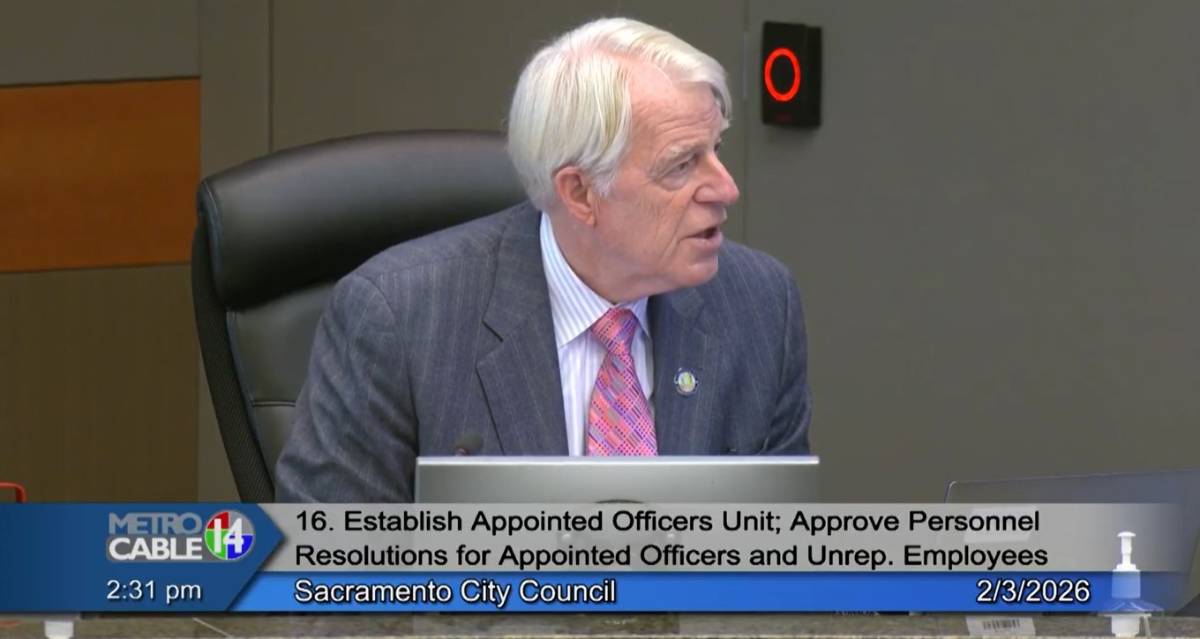
(Photo of Council Member Dickinson provided by Metro 14 YouTube video.)
“I believe that when evaluating appointed officers, nothing should be automatic in that process. Any negotiations with appointed officers should avoid including elements that cannot be properly considered or discussed,” Council Member Dickinson warned. “I believe longevity pay should remain on the table as part of negotiations, but it should not be automatic. It ought to be considered during compensation discussions for appointed officials, rather than guaranteed regardless of performance,” he added.
OpGov.ai platform reports the public comments added urgency and emotion to the meeting. Rose thanked the council for supporting electricity at District 3 sports courts, saying: “Sports save lives. Access to amenities with funded lights is a big deal for families.”
Peter raised alarms about the council’s past decision to honor the Hindu American Foundation, alleging ties to foreign paramilitary groups and citing a DOJ indictment: “A foreign government plotted to kill citizens on American soil, and the council honored organizations linked to it twice.”
Sandra Sharp delivered the most emotional plea, fearing homelessness after receiving a notice to exit a support program: “I don’t want to end up back on the street. I felt set up for failure.”
Mayor McCarty directed staff to follow up immediately, signaling the council’s intent to address the matter.
Ultimately, these recent city of Sacramento council meetings reveal a city wrestling with competing priorities: economic growth versus housing equity, modernization versus fiscal restraint, and cultural progress versus systemic gaps in social support.
While the council has taken steps to align policies with contemporary values—such as repealing outdated codes and strengthening data privacy protections—persistent tensions around development deals and homelessness suggest that Sacramento’s policy crossroads is far from resolved.
As public scrutiny intensifies, the question remains: Can Sacramento craft a governance model that delivers transparency, equity, and resilience in the face of rapid change? The answer will shape not only the city’s political landscape but the lived experience of its residents for years to come.
Submit Sacramento story tips and ideas to Sarah Denos at sarahkdenos@gmail.com
0
0

Comments