(ATLANTA, GA.) - The Atlanta City Council heard public comments May 18 on housing prices, displacement, and the city’s approach to development funding.
Residents and advocates raised concerns about homelessness and the city’s tax allocation policy.
Reverend Doctor Cedric Vaughn Jackson, senior pastor at West Hunter Street Baptist Church, talked about the death of a homeless man known as Terrence “Yohan” Cobbs, who was struck and killed while sitting on a bench on Ralph David Abernathy Boulevard last month.
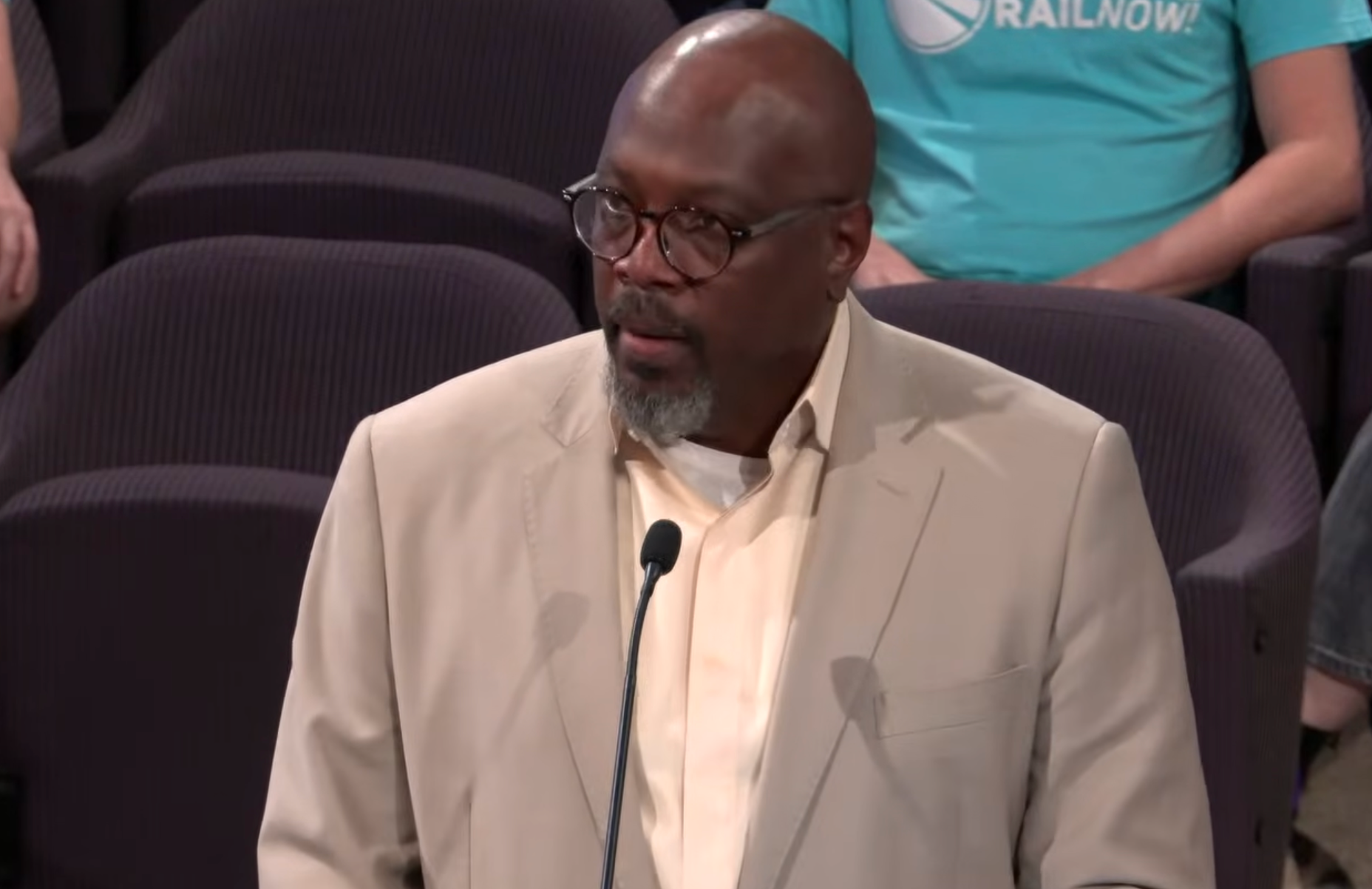
Photo credit: YouTube
“He was one of ours – a member of the West End community and family,” Jackson said. He was homeless, and just last week he was struck and killed by a vehicle… because he had no address. No stable ground to stand on. Far too few people noticed him.”
Jackson linked Cobbs’ death to the broader pattern of displacement and inequality across the city, arguing that long-term residents are being pushed out as development increases.
“Displacement is happening in our neighborhoods,” Jackson said. “Families who have been here for generations are being priced out.”
Jackson urged council members to support tax allocation district extensions tied to affordable housing and anti-displacement efforts.
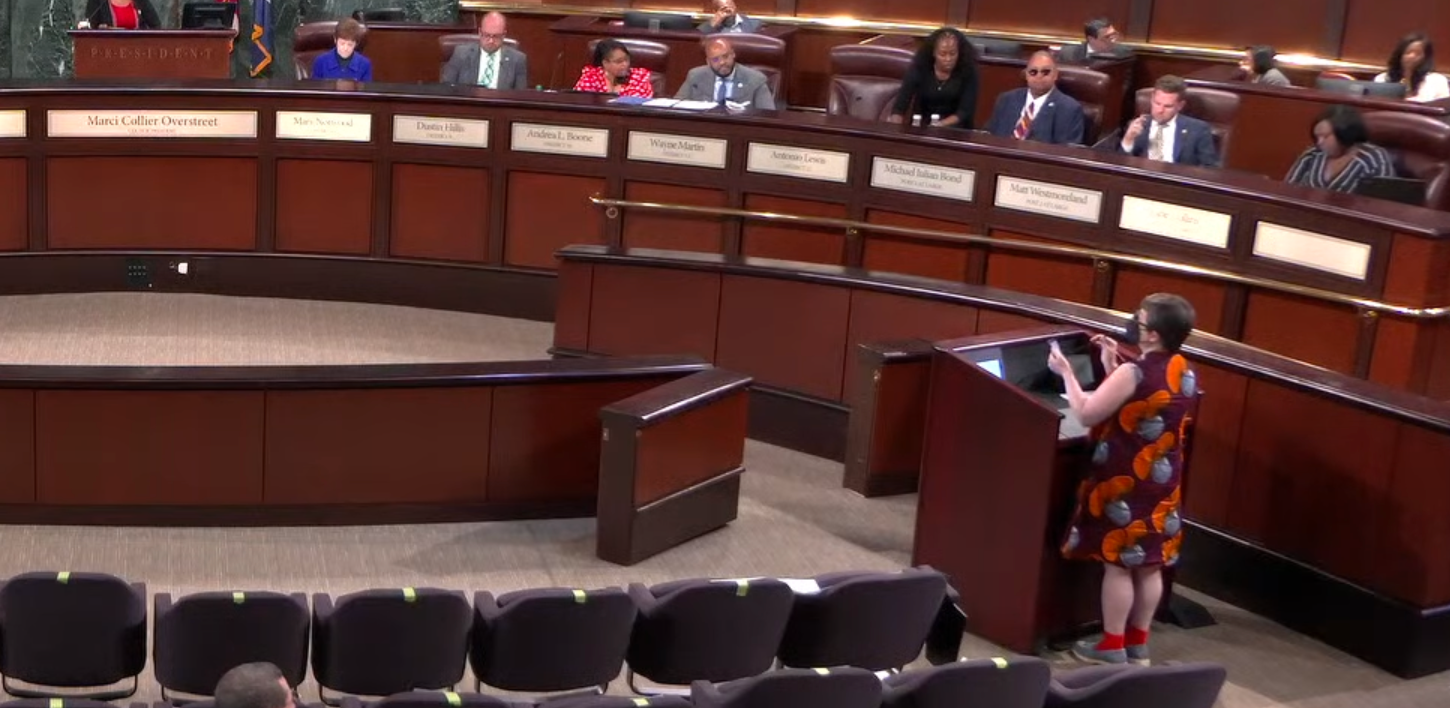
Photo credit: YouTube
Nell Pepper, a District 2 resident, spoke against extending tax allocation districts, arguing they have primarily benefited private developers while reducing funding for public services.
“The funding from the existing TADS has most benefited the private developers whose property taxes have been frozen,” Pepper said. “The glassy high rises full of luxury condominiums are robbing Atlanta public schools and city services of crucial funding.”
Pepper said that tax allocation districts have failed to deliver promised benefits for struggling communities. She urged the council to wait for an upcoming audit before approving any extension.
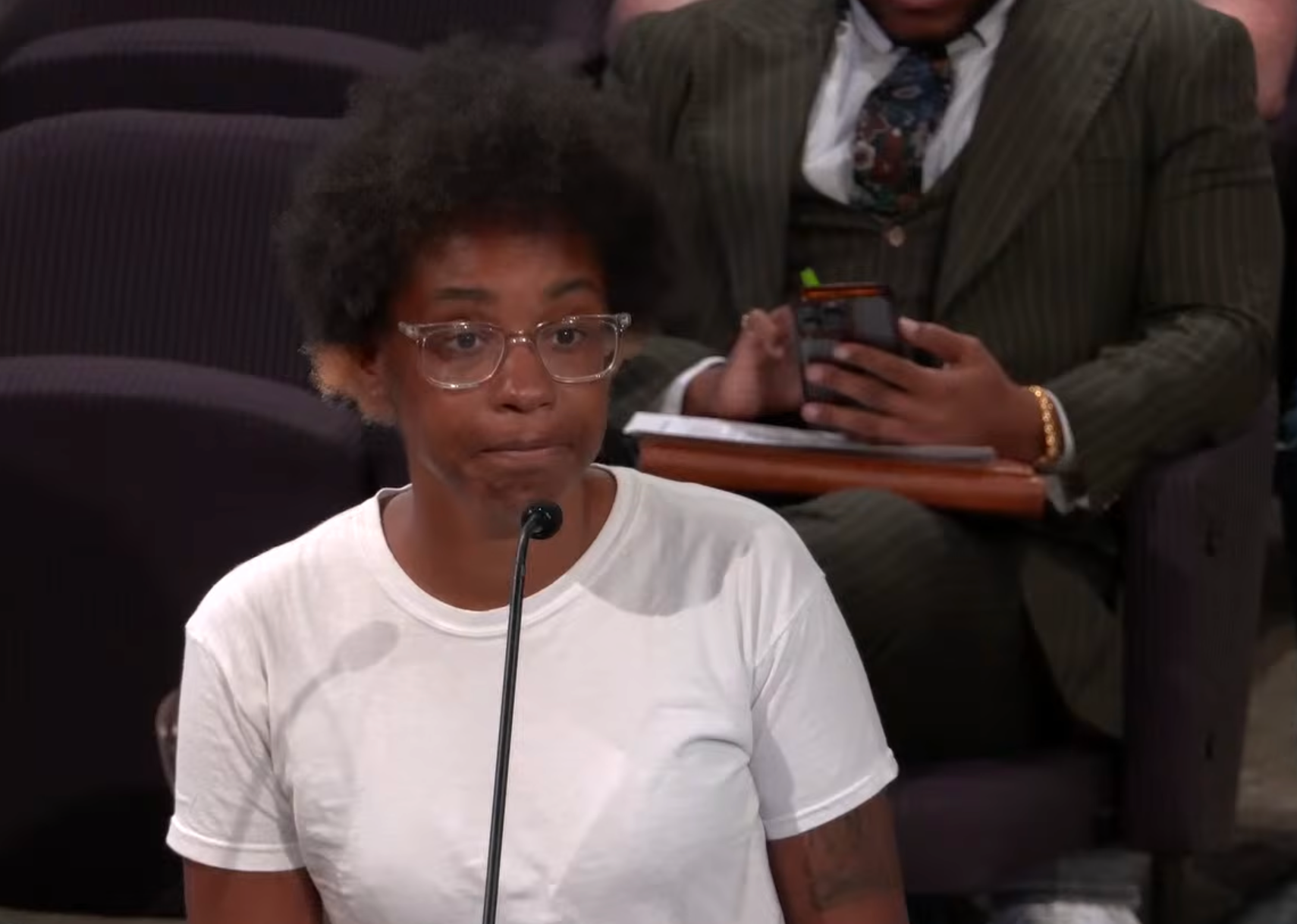
Photo credit: YouTube
Dakira Johnson, a longtime resident and mother, talked about her experience with prolonged housing instability and repeated displacement while navigating the city’s shelter and transitional housing system.
“Me and my soon to be 15-year-old son have been forced to move more than 42 times,” Johnson said.
Johnson’s said that permanent housing remains largely inaccessible for many families unless they meet narrow eligibility requirements, and that shelter conditions often make stable employment difficult to maintain.
“Permanent housing opportunities remain unavailable unless individuals are disabled or experiencing severe mental illnesses,” Johnson said. “Many shelters impose restrictions and schedules that make it extremely difficult to maintain consistent employment, especially while caring for a minor child.”
Johnson asked the council to expand permanent housing options for families, arguing that their current systems fail to provide realistic pathways out of homelessness. She added that her experience reflects broader systemic barriers affecting unhoused families across the city.
“Ultimately, I am advocating for council to take a serious look at agencies receiving funding to service us [fostering] oversight, transparency, accountability, and realistic, accessible pathways towards permanent housing solutions for families doing everything that they can to break past these barriers,” she ended.
Please email mia.s@lead4earth.com for questions, concerns or comments.
0
0

Comments