(ATLANTA, GA.) -- Community members who attended the May 18 full Atlanta City Council meeting talked about the future of the Beltline, housing for the homeless, and how the city is spending its money.
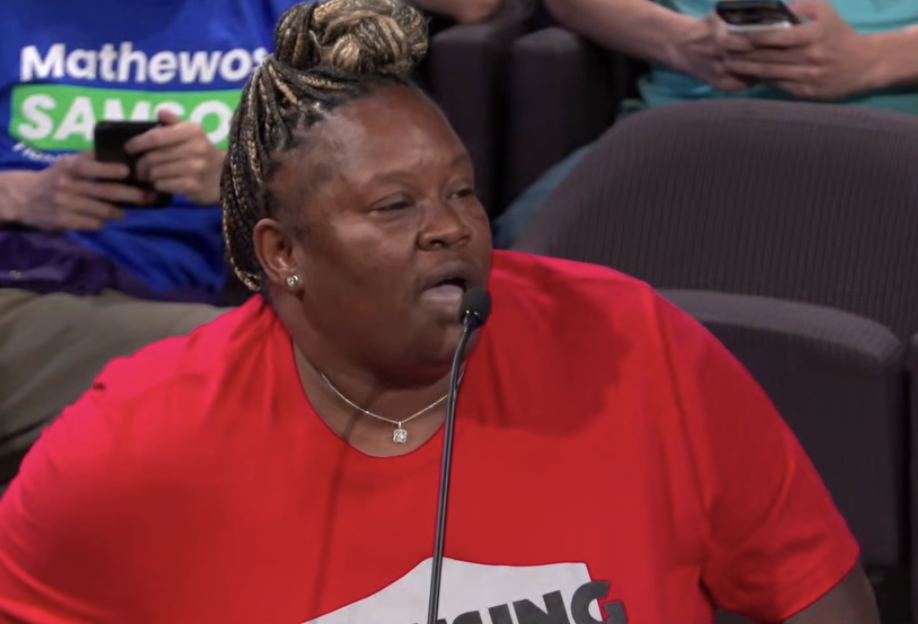
Photo credit: YouTube
Latricia Chaney, an Atlanta native who is experiencing working homelessness, said she is not currently homeless but is close. She spoke directly to council member Jason Winston.
“I don’t make enough to live where I live,” she said. “I am asking the city council to please help the low-income working families to be placed based on their income at least 30% and below. I need your help. I need your support. My family and I are on the verge of becoming homeless because I can't afford the rent where I'm at now. I don’t want to be forced into eviction.”
Homelessness in Atlanta rose 6% from 2025 to 2026, according to Atlanta’s 2026 Point-in-Time (PIT) Count, led by Partners for HOME. The newly released survey tracks homelessness trends across the city.
Chaney's comments represent a larger concern that residents are facing across the city, which journalist Brian Goldstone addressed in his book There Is No Place for Us. The council recognized him at the beginning of the meeting for the awareness he's bringing to the city's homelessness crisis through the book.
“It is important during a time where families across the country are struggling to make ends meet, in particular, in our own city where the cost of living has far outpaced wages,” councilmember Kelsea Bond said as she presented the proclamation. “It shines a light on these families' lives who are so often rendered invisible. And the many ways that people can fall through the cracks of our system, even when they do all the right things to take care of their loved ones.”
The meeting shifted to discussions about the Beltline, and residents shared their thoughts on a proposed dedicated bike lane and fast lane.
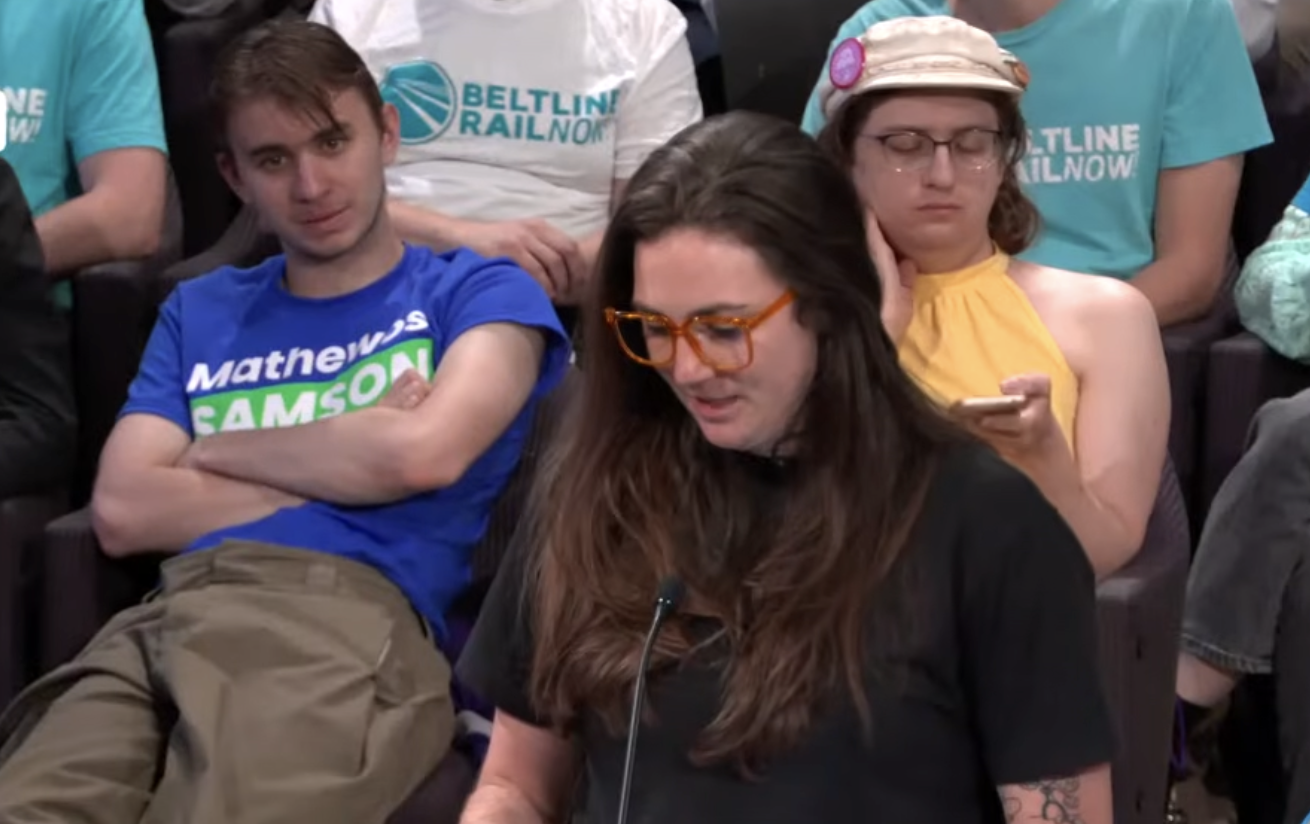
Photo credit: YouTube
Hannah Griggs, a Reynoldstown resident in District 5 who uses the Beltline daily to commute to Emory University, said she’s in support of bike infrastructure in general but was opposed to a new fast lane.
“I use the Beltline nearly every single day to commute to Emory University where I work as a librarian,” Griggs said. “I’m all for a good bike lane and as a cyclist I feel an immense sense of relief when I ride on the Beltline because the speed limit is slow and I feel safe. But adding a second fast lane for bikes and scooters would remove that sense of safety. It would put both cyclists like me and pedestrians at great risk for accidents and collisions.”
Others spoke in support of Beltline rail as a way to ease congestion and reduce reliance on cars. Christie Lanz said the city is in a transit crisis, painting traffic and rising transportation costs.
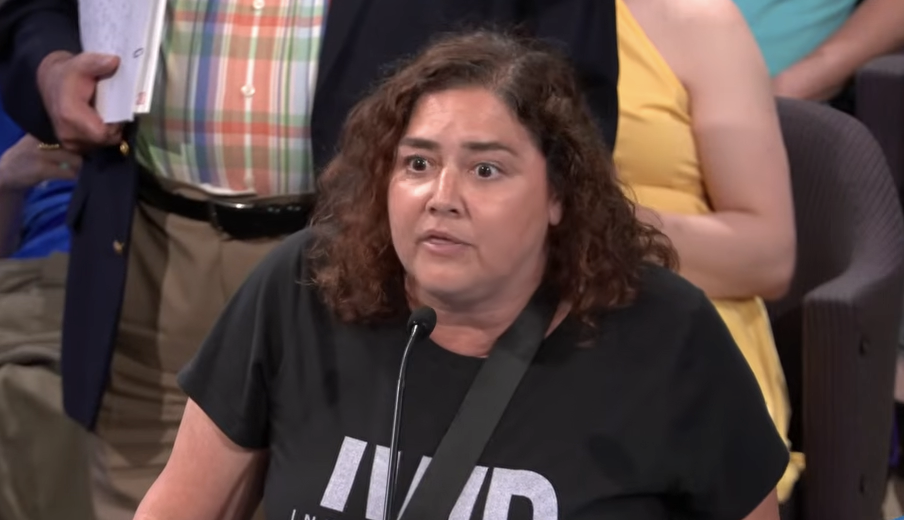
Photo Credit: YouTube
“Cars clog the road, car ownership costs over $13,000 a year for many residents, and we need less cars on the road, which is what Beltline rail would do,” Lanez said. “With every $1 investment in rail, we get $5 return on economic investment,” and argued that rail would give residents “a way to get around the city without a car.”
Hunter Hughes, a homeowner and business owner, also backed rail expansion.
“I really believe that this city needs transit and explicitly the people overwhelmingly want Beltline rail,” Hughes said. “We voted for it and we want it right now. Lack of transit has been a stand on our city for too long.
Please email mia.s@lead4earth.com for questions, concerns or comments.
0
0

Comments