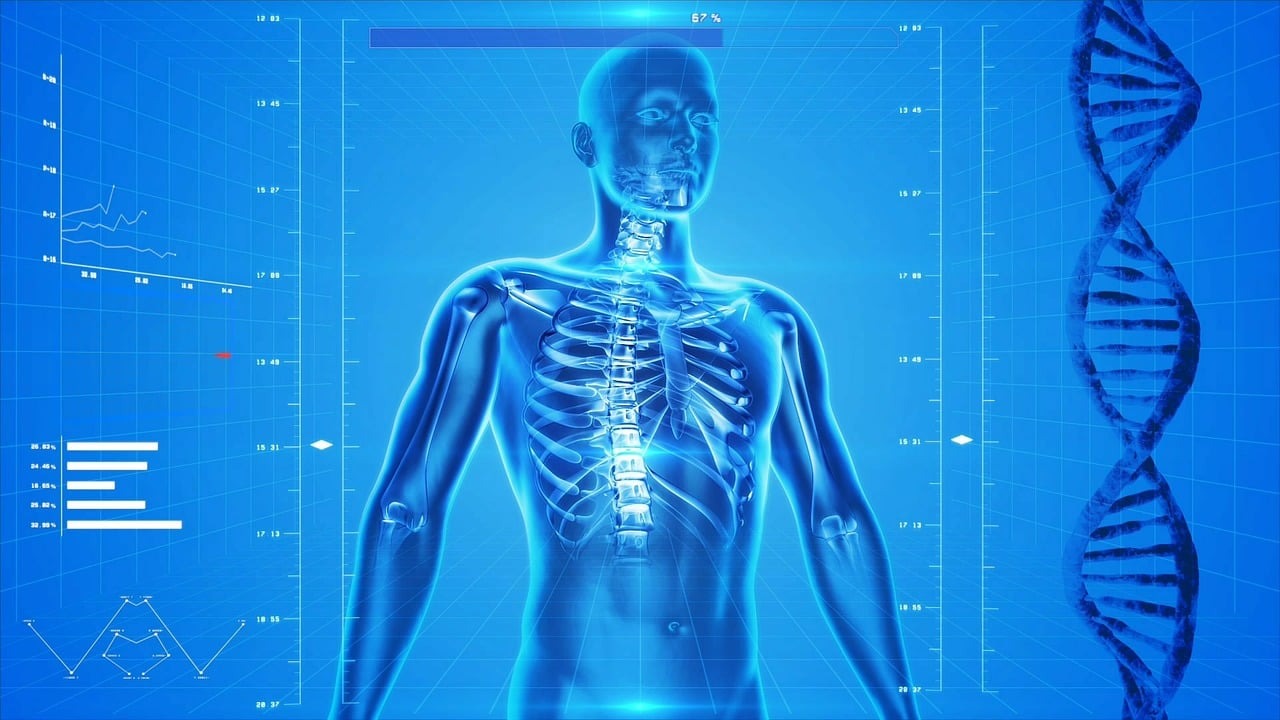
Photo Credit: Pixabay / PublicDomain Pictures / DNA and the human body
(UNITED STATES) – A life-saving therapy that combines biotech-modified DNA and the human body to create personalized disease treatment is breaking barriers. It’s called clustered regularly interspaced short palindromic repeats (CRISPR) gene editing, and it’s being used to create personalized genetic therapies to help treat, manage, and cure certain diseases.
CRISPR biotechnology is a gene-editing tool that cuts, removes, replaces, and fixes DNA sequences (nucleotides) and/or modifies cells. It involves delivering a single mutated nucleotide (a basic DNA/RNA structural unit) into the body, allowing it to bond naturally with the individual.
KJ Muldoon was born with a rare urea disorder that can cause severe brain damage or death. Neonatal-onset carbamoyl phosphate synthetase 1 (CPS1) is a metabolic disorder that prohibits the breakdown of toxic ammonia. If untreated, CPS1 is lethal within months.
Without the experimental in-vivo genetic therapy, Muldoon’s only option would have been a liver transplant. Instead, Muldoon received scientifically designed, personalized CRISPR base-editing therapy.
A little over a year later, the Children’s Hospital of Philadelphia says the toddler is not just surviving, but thriving and hitting every milestone along the way. The applications for CRISPR-based therapies don’t stop with CPS1.
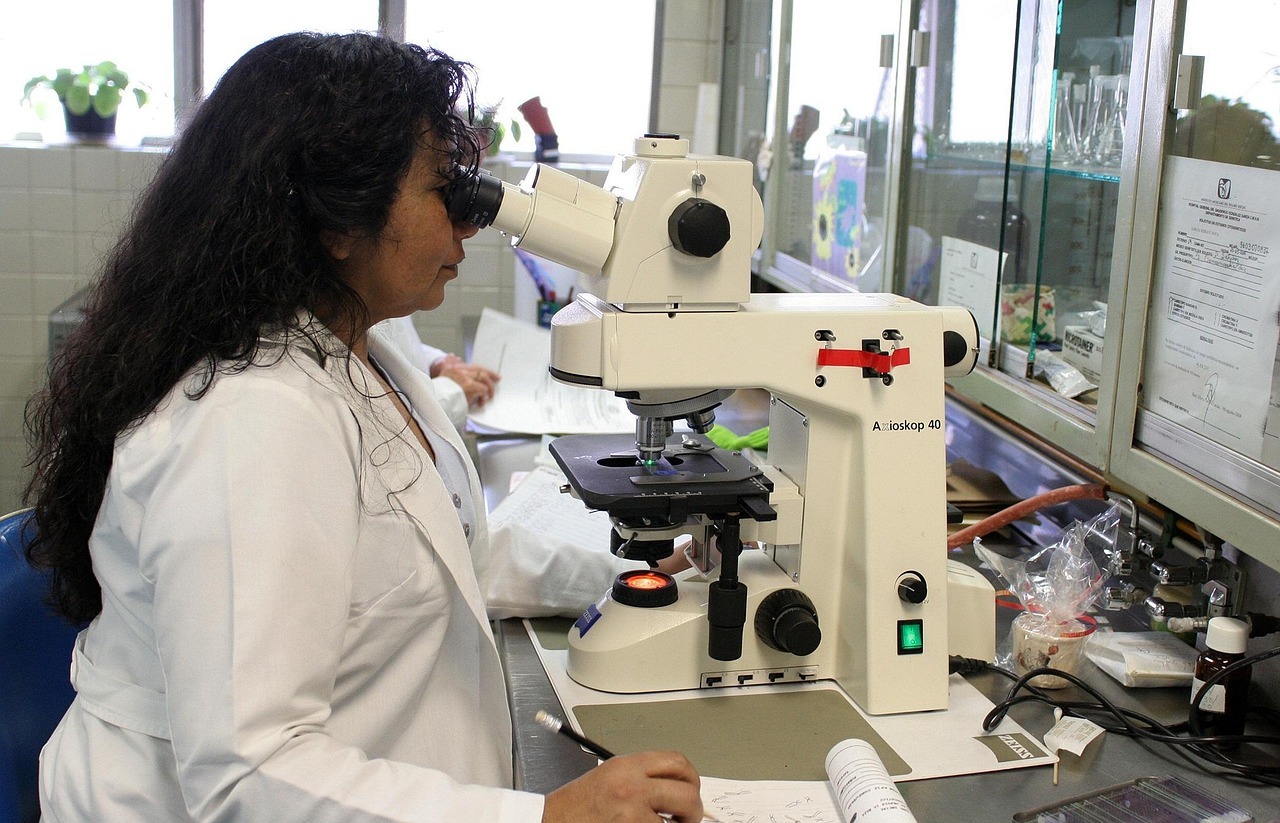
Photo Credit: Ernesto Eslava / Laboratory
Several other CRISPR-based variants are already in use or undergoing clinical trials to help treat the following:
Heterozygous familial hypercholesterolemia (FH)
Sickle cell disease (SCD)
Transfusion-Dependent Beta-Thalassemia (TDT)
Phenylketonuria (PKU)
Alpha-1 antitrypsin deficiency (AATD)
Huntington’s disease
Human immunodeficiency virus (HIV)
Systemic lupus erythematosus (SLE) and Scleroderma
Idiopathic inflammatory myositis
Myasthenia gravis
Multiple sclerosis (MS)
Certain brain, prostate, pancreatic, and ovarian cancers
Multiple lymphomas and acute lymphoblastic leukemia (ALL)
Refractory multiple myeloma
Scientists at UC San Francisco have even developed a way to create cancer-fighting chimeric antigen receptor T-cells (CAR-T) in vivo, thereby bypassing the need to remove, engineer, and reinsert immune cells.
CAR-T immunotherapy trains immune cells to recognize and destroy cancer cells. Once the modified cells are inserted, the human body does the rest.
“What was especially remarkable was that the cells we’re generating in vivo actually look better than what we make in the lab,” Ph.D. Justin Eyquem said. “We think that when cells are taken out of the body and grown in the lab, they lose some of their ‘stemness’ and proliferative capacity, and that doesn’t happen here.”
Long-term safety isn’t absolute, as some trial participants have rejected the treatment or only received short-term relief. As with any genetic engineering, complications can arise. Some have been addressed while others remain unseen.
When discussing CRISPR variants used to treat bad cholesterol, UCLA Cardiologist Karol Watson said, “It worked. But we won’t know for years how safe this is.”
In DNA nucleotide engineering, concerns about modified DNA continuing to mutate have mostly been mitigated by using a single nucleotide. Allowing the human body to duplicate modified cancer-fighting cells naturally has strengthened bonding, thereby reducing cell rejection.
While the results of CRISPR-based genetic engineering therapies are still being studied and ongoing research and testing is needed, the personalized therapy provides hope by using biotech engineering and the wonder of the human body.
To add to or correct any information in this report, please contact me at kristin.h@lead4earth.org.
0
0

Comments