(CHARLOTTE, N.C.) — Voters in North Carolina’s 14th Congressional District are casting ballots today in a primary that candidate Kate Barr has framed as more than a routine intra-party contest.
Barr has centered her campaign on a structural argument: that partisan redistricting has made the general election in the district effectively noncompetitive, shifting meaningful political power into the primary itself. As a result, she argues, today’s vote carries heightened significance.
Her position reflects broader national research on electoral design. A study published in the Proceedings of the National Academy of Sciences found that partisan gerrymandering can significantly reduce electoral competition, even when statewide vote totals remain relatively balanced.
The result, researchers noted, is fewer truly competitive general elections and greater emphasis on primary contests.
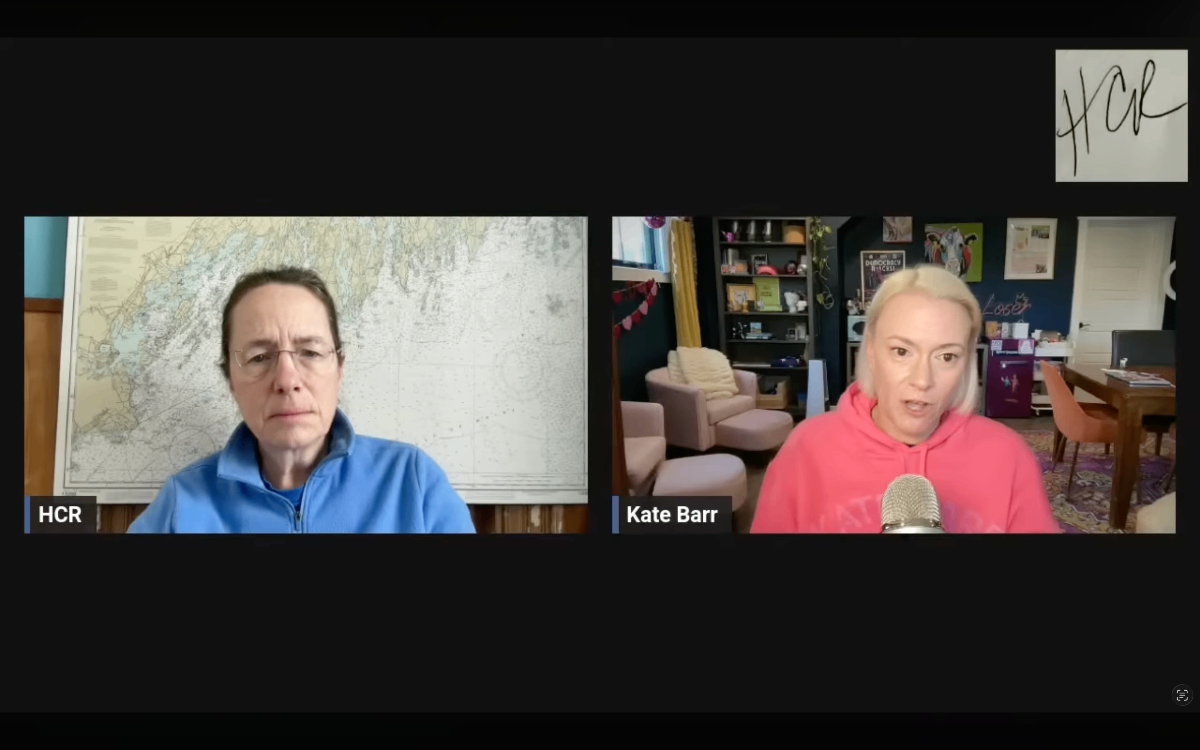
Kate Barr joins historian Heather Cox Richardson to discuss the structural "mechanics of democracy" and why she believes "safe" districts require voters to be more engaged during the primary process.
(Photo Credit: Heather Cox Richardson/YouTube)
That structural shift was reinforced in 2019 when the U.S. Supreme Court ruled in Rucho v. Common Cause that partisan gerrymandering claims present political questions beyond the jurisdiction of federal courts. The decision effectively left congressional redistricting disputes to state-level processes, a ruling with direct implications in North Carolina, where litigation over district maps had been ongoing for years.
Barr argues that in districts widely viewed as “safe,” the primary becomes the only venue where voters can meaningfully influence representation. Her campaign messaging suggests that turnout today may matter more than November’s outcome in shaping who ultimately serves.
The idea that electoral competition influences accountability has been explored in prior OpGov.ai reporting. In Drive to Ensure No Race Goes Unchallenged (Part 2), Chirag Kathrani examined how uncontested or structurally insulated races can limit voter choice and reduce incentives for responsiveness. Barr’s candidacy reflects that broader debate over whether competitive pressure, or the lack of it, shapes legislative behavior.
Alongside her structural reform messaging, Barr has focused on economic issues. She has spoken about affordability concerns, wage pressures, and the financial strain facing working families. Her proposals emphasize economic restructuring and what she describes as policies aimed at rebalancing opportunity within the district.
Though running in a Republican primary, her rhetoric incorporates themes that resonate across partisan lines, including skepticism of concentrated economic power and criticism of entrenched political systems.
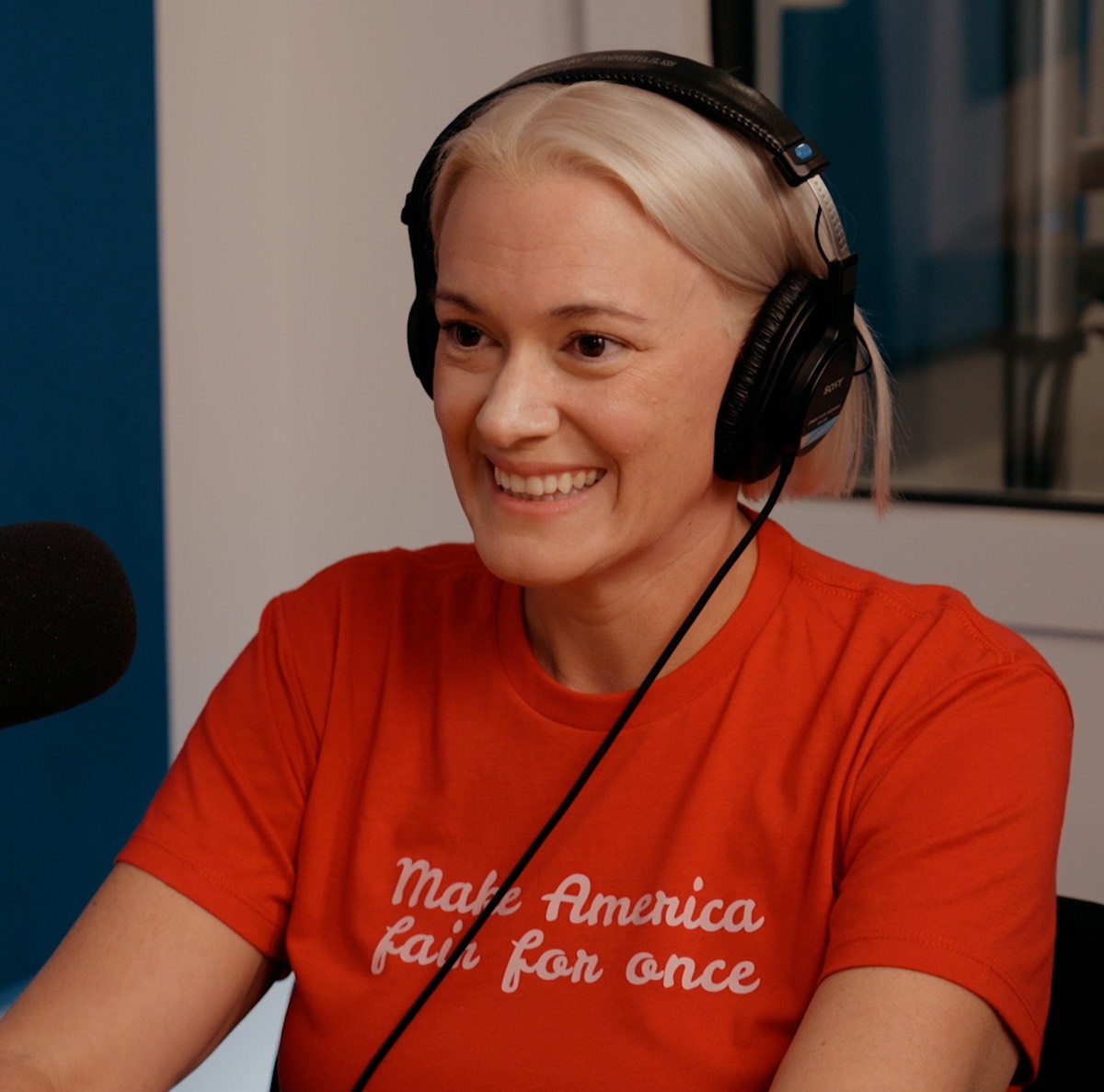
Kate Barr, wearing a campaign shirt that underscores her "Make America Fair" platform, discusses how partisan gerrymandering has shifted the weight of political competition from the general election to the primary.
(Photo Credit: The Washington Post)
Nationally, analysts have observed growing voter frustration with traditional party structures. OpGov.ai’s recent piece by Kathrani, Independent Candidates the New Black, documented an increase in candidates positioning themselves as reform-oriented voices within or alongside established parties. While Barr is not running as an independent, her campaign messaging places structural reform at the forefront rather than strictly ideological positioning.
Research organizations have also noted that district design can influence candidate strategy and voter behavior. The Brennan Center for Justice has written that when districts are drawn to strongly favor one party, campaigns often pivot toward appealing to primary voters rather than broader general-election audiences. In those contexts, turnout patterns and messaging strategies can shift accordingly.
Today’s primary unfolds within that framework.
For voters participating, the decision involves both policy preferences and broader questions about representation and competition. Barr has presented her campaign as an attempt to engage the primary electorate while simultaneously questioning the system that defines it.

Beyond redistricting reform, Barr has centered her candidacy on economic "rebalancing," proposing policies to address wage pressures and the rising cost of living for families in North Carolina’s 14th District.
(Photo Credit: Charlotte Magazine)
By tonight, results will indicate whether that approach resonates with the district’s Republican voters.
More broadly, the outcome may offer insight into how voters respond when candidates focus not only on policy proposals but on the mechanics of democracy itself–from district boundaries to electoral competition.
As ballots are counted, North Carolina’s 14th District becomes part of a larger national conversation about how political structures shape political outcomes, and whether voters see reform of those structures as a priority.
Make sure to keep up with the live updates for the state’s primary as well as other states here! And tell us what you think and who you think will win tonight!
You can reach Victoria Osborne at victoria.o@lead4earth.org.
(Thumbnail Photo Credit: https://www.katebarrcanwin.com/)
1
0

Comments