(PENSACOLA, F.L.) ---- The City of Pensacola needs to step up its game when it comes to letting property owners know more about accessory dwelling units.
That is what a representative from Justice United Seeking Transformation (J.U.S.T), a local non-profit dedicated to affordable housing, told the Pensacola Affordable Housing Advisory Committee on August 4.
“I don’t think there is anything that would preclude the city from periodically, even if it is framed as part of housing,” Leslie Yandle said. “I think we should do a better job communicating to citizens that the city has improved the number of housing units and what has taken place.”
While Yandle said she “appreciates the efforts being made to address ADU’s,” she made it clear J.U.S.T started the conversation already.
“When J.U.S.T. started several years ago, we identified possible initiatives that could help move the needle, if you will, as far as affordable housing availability,” Yandle said.
ADUs have been the “hot topic” for months with the local committee, spending hours collectively on how to better promote the possibility of adding small residential units on a property. Before hearing from Yandle, Chair Paul Ritz read the new language regarding ADU’s under Incentive E.
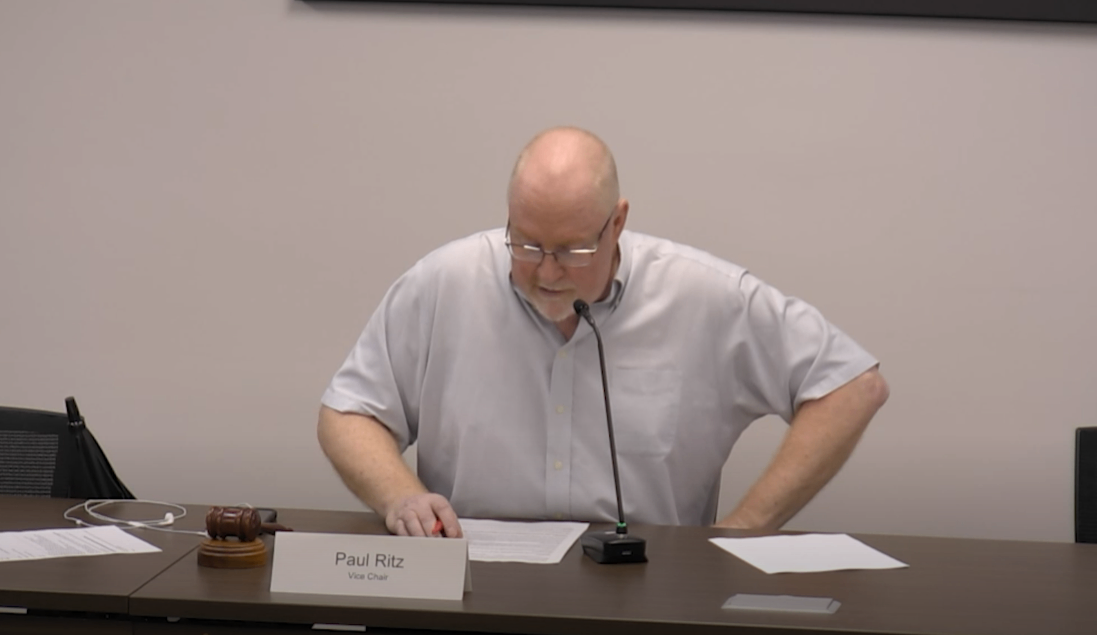
(Photo: Pensacola Affordable Housing Advisory Committee Chair Paul Ritz reading out recommendation language for accessory dwelling units at the August 4 meeting)
“AHAC believes that Incentive E is an underutilized strategy for a variety of reasons, including community education and awareness on ADU construction and zoning flexibility,” Ritz read. “The AHAC recommends a simplified online tool for the public to understand and determine the feasibility and costs of ADU construction.”
Lastly, Ritz said, “the AHAC recommends considering funding an ADU program if appropriate funding is available.” According to Ritz, who said he thinks the verbiage “portrays to city council that, as this board, we believe something should be done.”
Speaking of the mayor, council, the City of Pensacola recently rejected a developer's plan to build ADUs on a lot that neighbors rejected.
“We can’t make people build ADUs, but the idea is that they know it's an option,” Ritz said.
Board member Keith Branch, Good Foundations Inc., asked if they could change the word "provide" to "promotion."
“If we are just providing this ability, that is one thing,” Branch said, adding promoting implies action rather than just accommodation.
Ritz said it’s important not to tell the public what to do, adding “my position would be caution on the word promoting,” prompting Branch to suggest “advocate.” Officials decided “raising awareness” is the best term to inform the public and “nudge them toward action.”
Officials also discussed site planning and the land development code, with Branch noting the importance of the public understanding the legal and permit process.
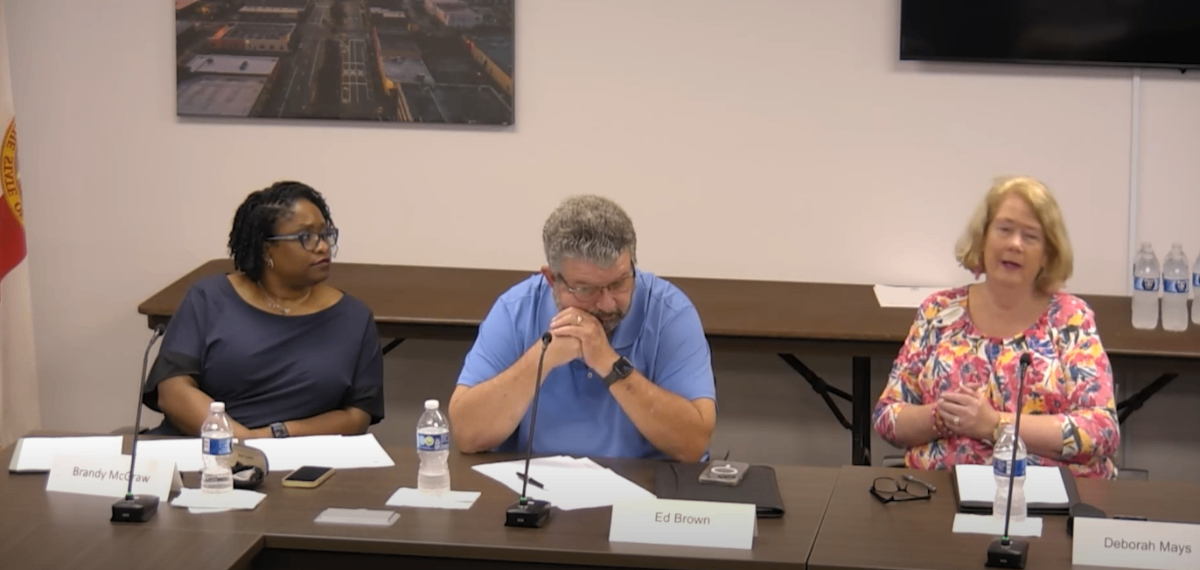
(Photo: Pensacola Affordable Housing Advisory Committee members Brandy McGraw, far left, Ed Brown, and Deborah Mays, far right, at the August 5 meeting)
“If someone went in blind thinking it was going to be one thing, and it turns out to be this thing, then that is one area that catches property owners off guard,” Branch said regarding requirements for construction documents that must be submitted to the county.
Ritz made it clear, “The city land development code does not differentiate ADU for permanent dwelling versus ADU for temporary, short-term rental,” Ritz said, adding that an ADU can in fact be an Airbnb.
New Board member Brandy McGraw introduced herself, noting the fresh perspective she brings to the table with her “increasing interest that my employees have access to affordable housing to continue to grow.” McGraw jumped right into the discussion, noting an incentive plan must be “effective and doable.”
Yandle let officials know at the meeting’s end that ADUs have always been a J.U.S.T. “key initiative,” unlike the city, which promotes many other services.
“I get flyers in my mailbox on other services the city provides,” Yandle said. “Trash, parking, the list could go on.”
Yandle said word of mouth is how her group hears about the need for more available housing.
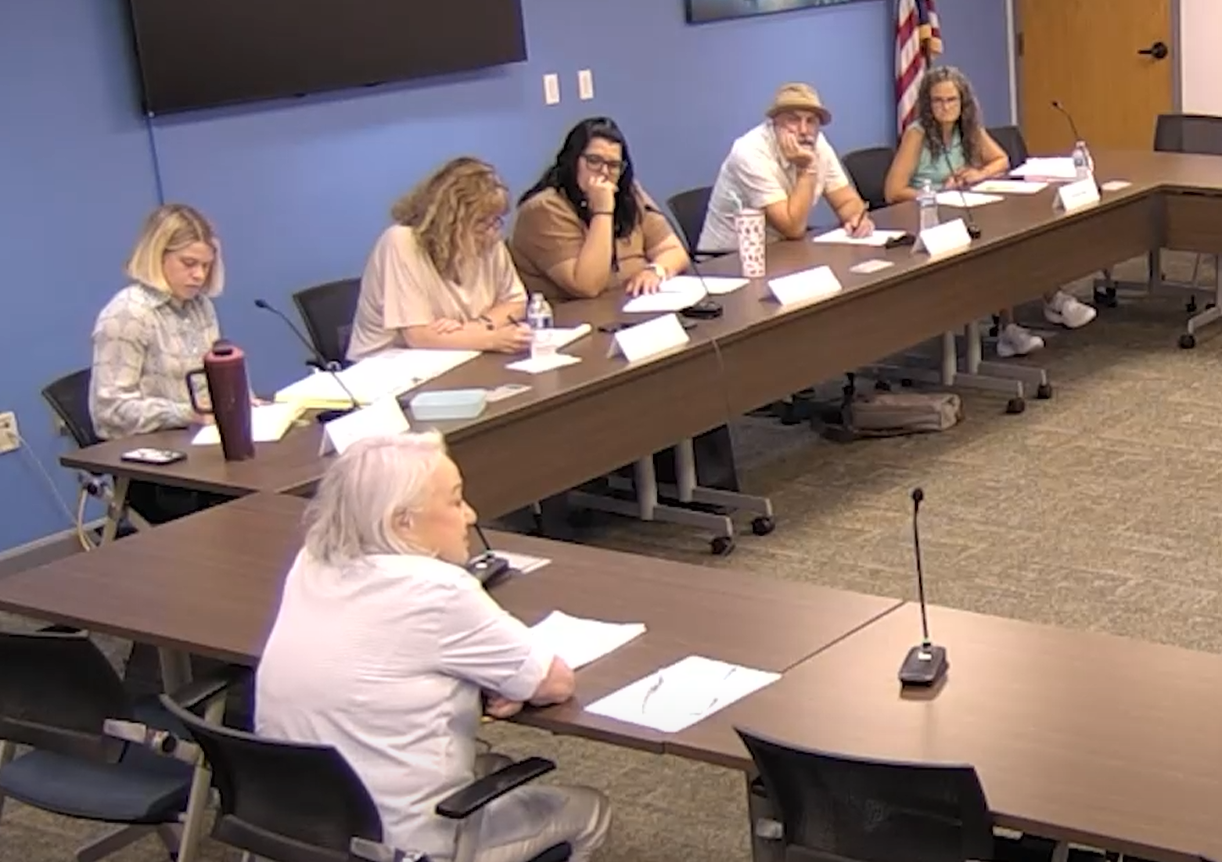
(Photo: J.U.S.T representative Leslie Yandle tells Affordable Housing Advisory Committee members the city must communicate accessory dwelling unit availability better to the public)
“We learned from J.U.S.T. ADU’s for additional rentals; we heard from parents who had kids that were trying to get out of high school and college and make a way for themselves. They could find jobs, but not a place to live,” Yandle said.
It’s not about money for J.U.S.T.
“The initiative was not just for people making money, but to provide housing for family members,” Yandle said.
The Pensacola AHAC cannot create law or provide direct funding; rather, they make recommendations that the city council must approve.
0
0

Comments