(NIGERIA, LAGOS) --- My name is Victor Chimaobi Matthew.
I’m 30 years old, and I’ve lived in Nigeria my whole life - in Ajeromi - Ifelodun LGA, Lagos State. I was born into a poor and rough background, and life hasn’t been easy. I’ve faced many challenges and experiences along the way. Coming from a Christian family with good parental care and strong values, I’ve watched closely as people talk about "government and politics" here, but I want to give you the street-level view of what it's actually like for me.
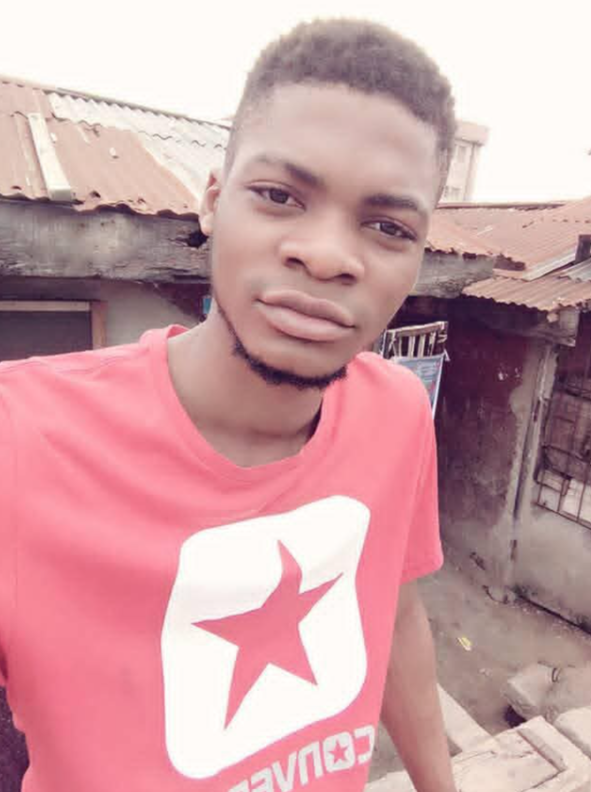
(Photo: Victor Chimaobi Matthew)
Growing up, we’d carry a big cup to our neighbor’s house just to get water to drink. Chicken was only for festive periods. New clothes, same thing – only when there was a celebration. I celebrated my birthday once as a child, and even then I had to cry to my mom before she bought a pack of cabin biscuits to share with my friends.
There were days when the only things in the house were water and garri, which is cassava flakes. I remember going to bed hungry for days. Three square meals a day are a big deal, like winning the lottery. After school, I’d go to the Odunade market, where building materials are sold, and you could get paid to carry tiles. I would also walk around the streets to sell oranges, mangoes, watermelons, and sachet water, which is pure water. That was my reality, and it shaped how I see government, politics, and corruption today.

(Photo: Streets of Nigeria)
Politics From the Street
When people in offices debate “government and politics,” it sounds big. From the street in Ajeromi-Ifelodun, it looks different.
Government isn’t policy papers for us. It’s whether water comes out of the tap. It’s whether the Natural Electric Power Authority (NEPA) will give us light for an evening. We plan our day around when there’s power. Only the rich have generators for 24/7 power, and we could hear the generators while we were sleeping or doing our homework by torchlight or moonlight.
It’s walking a long distance for what should be basic, so when you grow up carrying a cup of water back to your home, “good governance” stops being a slogan. It becomes personal. You start to wonder whether the government is for the people and ask yourself: why do the people still suffer over small things?
Hustle Over Opportunity
Growing up, I wasn’t thinking about party manifestos; I was thinking about carrying tiles, hawking fruits, or sachet water at the market to make money. The street teaches you that waiting for the government won’t feed you that day, so you hustle. Opportunity isn’t handed to you – you fight for it. That’s why many youths don’t trust the system. We’ve learned to survive without it, and it gets worse every year.
On television, politicians talk about the people. On the street, the people rarely feel it. Elections come, promises are made, banners go up, and then nothing changes in our compound.
Politics becomes something that happens "up there," not here where cassava flakes and water are served for dinner. The gap between those speeches and our reality is what makes many of us angry, tired, or just indifferent.
Political Corruption Runs Rampant
Corruption isn’t just big-money scandals on the news. On the street, it’s when funds for roads disappear, and potholes remain. It’s when the light bills come in, but NEPA never shows up. It’s when "connection" matters more than qualifications for jobs or school. When leaders steal, it’s not just money that goes – it’s our water, our schools, our hospitals, our future. The hunger I faced, the darkness at night, the tiles, fruits and sachet water I hawked after school- that’s what corruption looks like from here.
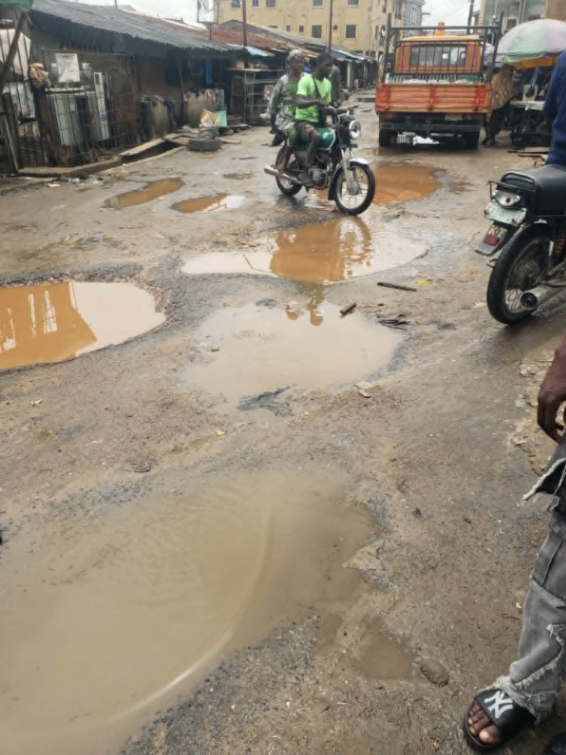
(Photo: Streets of Nigeria)
What the Streets Have Witnessed Since My Youth
Everything I know about Nigeria’s government started in my youth. From the streets, corruption and insecurity have grown together like twins. Corruption stopped being just about missing money; over the years, it became missing roads, missing jobs, and missing hospitals. When leaders steal from the security budget, it’s not just money that disappears – it’s peace. I’ve watched potholes turn into places of robbery. I have seen how darkness at night makes streets unsafe.
I witness how connections and bribes become the only way to get things done. But most of all, I have seen those without get left behind. Insecurity on the street doesn’t start with big news headlines. It starts small: when boys see that hustle won’t feed them. When fathers can’t provide and when police extort instead of protect. Since 1996 till now, I’ve seen fear grow in our compounds.
People don’t sleep the same. Politicians on television continue to talk about “security votes” and “operations,” but on the street we still ask: who is safe and protected?
What I’ve learned is simple: when corruption eats the foundation, insecurity enters through the cracks. Leaders steal, systems fail, and the street suffers. That’s why for many of us, government doesn’t feel like protection – it feels like a question we’re still waiting for an answer.
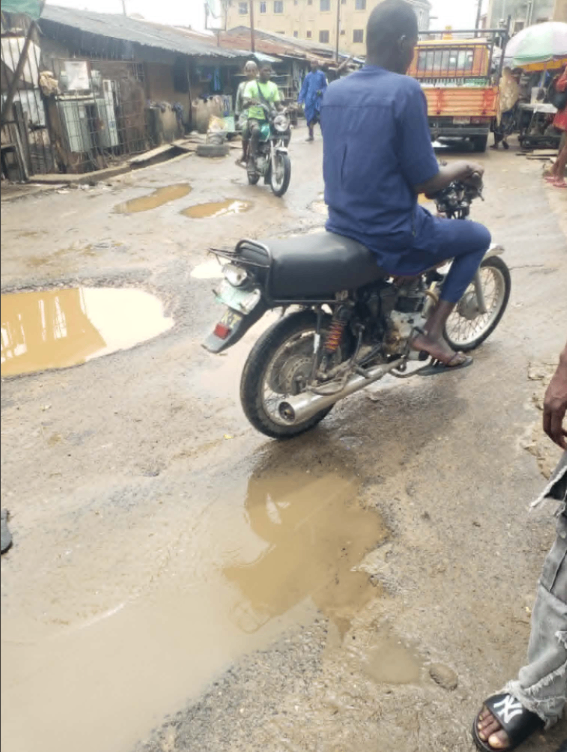
(Photo: Streets of Nigeria)
Election Time Roads
If only you could see how bad the road is in my area. It gets to a point where we pray for no heavy downpour of rain, because it drives people out of their houses, sometimes for days, until the water flows into the gutter. There are times when bikes avoid entering the streets because of bad roads. But not at election time. That is when government officials bring in mud and sand, promising that it will get better for us to vote for them. But after we vote for them, they abandon the roads and us.
A Message From the Street
I’m 30 now, and I’ve seen both sides – the hunger, the hustle, and the small wins that keep you going. Growing up in Ajeromi – Ifelodun taught me that government and politics aren’t just topics for debate. They’re about real life. They’re about whether a child can drink water, sleep a full night and dream about what life looks like beyond survival.
My Message to Leaders
If leaders could hear my voice, I would tell them to come down from the big grammar and banners. I would tell them to come to the streets, and where light is a prayer point. I would tell them to look at the boys carrying tiles after school. I would tell them good governance starts there – in the small things that matter most.
I still believe Nigeria can work. Why? Because if someone like me, who drank water and ate garri for dinner, still has hope, then hope is possible for everyone. All we need is a government that remembers the street while making decisions in the office.
My name is Victor Chimaobi Matthew, and this is what government, politics, and corruption look like from the streets of Nigeria.
3
0

Comments