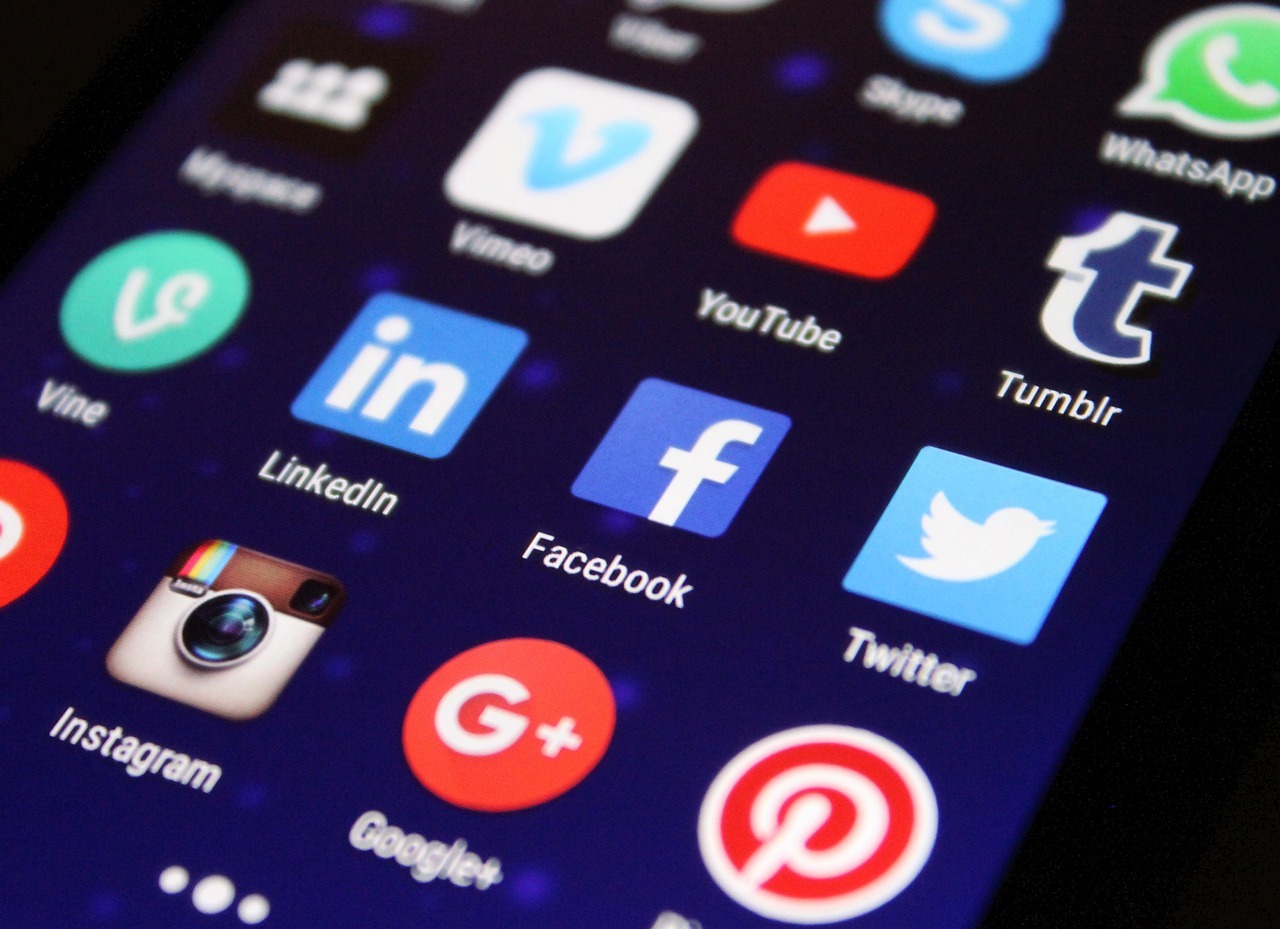
Photo Credit: Pixabay / Pixelkult
(MINNESOTA) An amendment to Minnesota Statute on Consumer Digital and Data Privacy will go into effect July 1. Section 325M.335, Mental Health Warning, was signed into law by Gov. Tim Walz on June 9, 2025, making Minnesota the first U.S. state to pass a state-level law of this kind.
Multiple research studies, including those conducted by the National Library of Medicine, link the excessive use of social media to anxiety and depression, and the law aims to increase awareness surrounding mental health and social media.
The warning is seen as a way to make support resources easier to find, and to raise awareness for how much time and energy users put into social media, especially children and young adults.
Under the new law, social media platforms must display a clearly visible mental health warning any time a user opens the platform, which means the warning cannot be hidden in a platform’s Terms and Conditions or any other information. Information available in the warning label must include the 988 Suicide and Crisis Lifeline, and other suicide prevention and mental health crisis support information for the state.

Photo Credit: Minnesota Department of Health
Platforms are not allowed to provide users with the option to permanently disable the warning, but acknowledging the warning does cause it to disappear until the next time a user accesses the account.
The new law applies to any online platforms that allow users to create, share, and view user-generated content for social interaction or the purposes of networking. These platforms may include, for example, Facebook, TikTok, X, Instagram, and other mainstream social media platforms. The law does not include email, Cloud, ISP, Telecommunications, streaming, gaming, or e-commerce services.
Compliance will be enforced by the Minnesota Attorney General, and the state Commissioner of Health will help create and update warning guidelines as needed with input from the Commissioner of Commerce. While some may see this warning as an annoyance, supporters say it can help save lives, as the law may help mitigate serious issues like sextortion, sex trafficking, bullying, and the sale of illegal substances via social media.
Many hope the state becomes a model for other states to enact similar laws that extend beyond self-regulation and parental controls.
This law joins others in Minnesota aimed at social media regulation, including the Stop Harms From Addictive Social Media law. The law requires verified parental consent for minor children 16 or under before social media companies can allow the child to create an account.
To add to or correct any information in this report, please contact me at kristin.h@lead4earth.org.
0
0

Comments