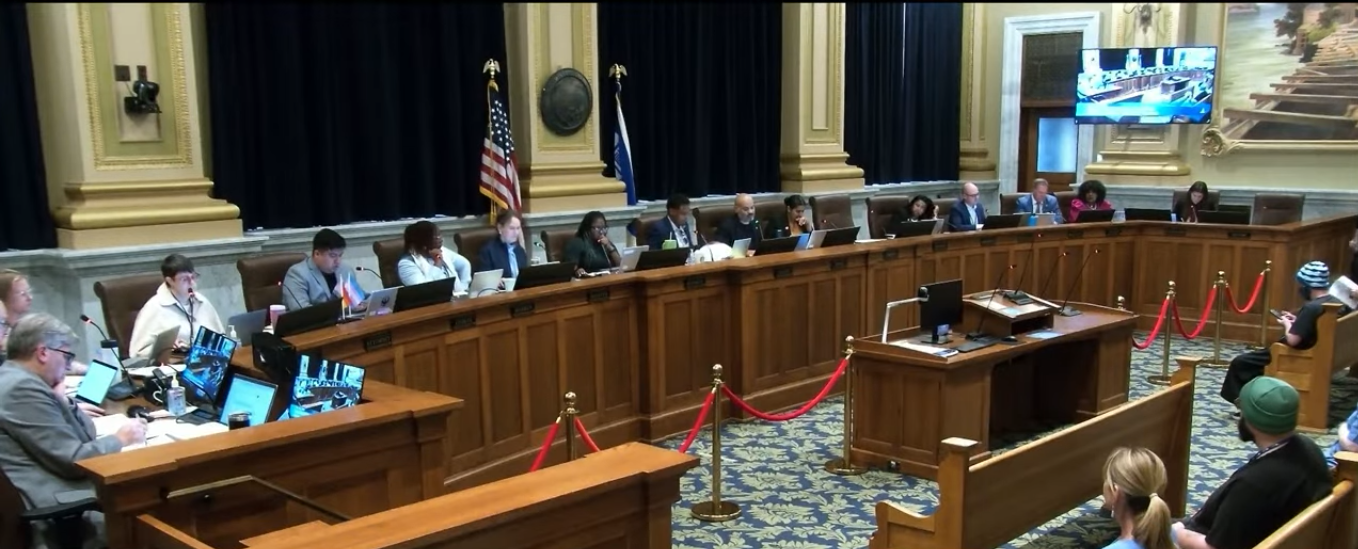
Photo Credit: YouTube / Minneapolis City Council
(MINNEAPOLIS, MN) – The Minneapolis City Council voted 7-5 in favor of a five-month moratorium on a new data center on Jun. 25 at its regular meeting, after several council members expressed concern about a lack of preparedness to move forward.
Those who voted in support of the moratorium say this is not a ban, but a pause to give the city time to create a legal framework for the center, gather public input, develop regulations, and further study the impacts of such centers on the surrounding community and resources.
The current zoning code doesn’t include data centers, so no standard is set for electricity, water, or land use, and it lacks definitive environmental protections. This means some permitting tools are likely insufficient to deny unsuitable projects, which is why supporters of the moratorium first want to create a legal framework regarding data centers before moving forward with such a large project. Council Member Elizabeth Shaffer, however, pointed out that businesses invest where regulations are predictable, and a moratorium could signal uncertainty and discourage future investment.
Several supporters expressed concerns centered around environmental impact both to the environment and to surrounding communities. Large AI data centers may create environmental problems and are a heavy drain on resources. Supporters brought up concerns about high-level electricity, natural gas, and water consumption. Noise, light, and carbon emission pollution were also discussed.
Equally concerning to supporters was the choice of location, as industrial facilities (not specifically AI data centers) are historically placed in communities of color. North and South ‘Green Zones’ in Minneapolis are already dealing with pollution from heavy industry, and some members fear the data centers will be an example of history repeating itself. Council Member Jason Chavez stated, “History shows polluting industries are often placed in disadvantaged neighborhoods.”
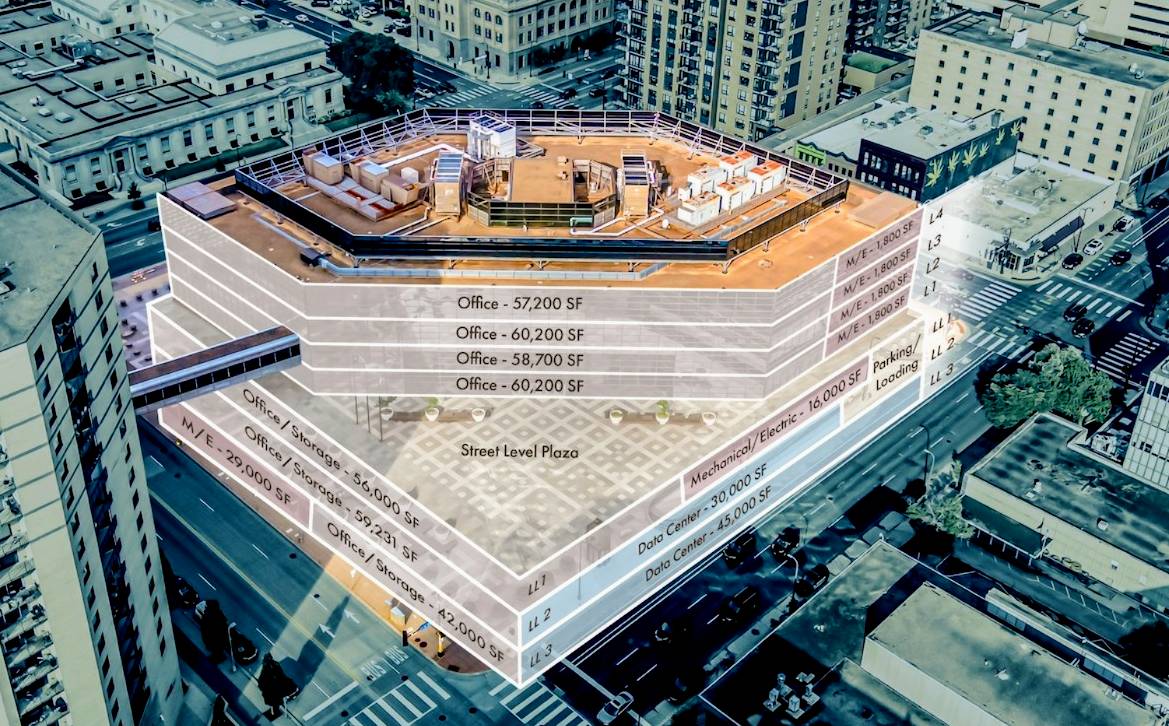
Photo Credit: Colliers / Rendering of future data center site
Supporters of the temporary pause on the data center question whether the business would actually create thousands of jobs, increase city revenue, lower greenhouse gases, and help strengthen tax bases as claimed, noting that the city should require evidence of the claims prior to changing policies to allow the data center.
The citizens of Minneapolis want the council to be cautious about allowing another data center in the city.
The council has received emails and testimony, reviewed public polling regarding the project, and heard concerns at town halls. Most residents either want a pause on the project to allow more time for thorough consideration of risk versus benefit, or no new data center at all. Multiple council members believe the government should not immediately ‘roll out the red carpet’ for Big Tech, and that the companies building the data centers should do more to protect shareholders.
Those who voted in favor of the moratorium felt the City government should protect residents first. To further this sentiment, Chair Aurin Chowdhury shared that approximately 88 jurisdictions nationwide have already adopted moratoriums regarding data centers, creating time to perform a thorough analysis. While opposing members fully agreed that data centers need regulation and strict standards are crucial, most didn’t feel a moratorium was necessary. Instead, opponents argued the project could continue to move forward and regulations could be created, changed, or modified as needed, since the current conditional use permits allow for oversight.
Labor unions in the area opposed the moratorium as well, saying the construction work, even if it is project-based, matters to the workers, and pausing the project delays union jobs. Data centers bring temporary employment for pipe fitters, electricians, sheet metal workers, and other building trades. Council Member Shaffer argued that the debate over the data center confused massive rural hyper-scale centers with small urban downtown centers.
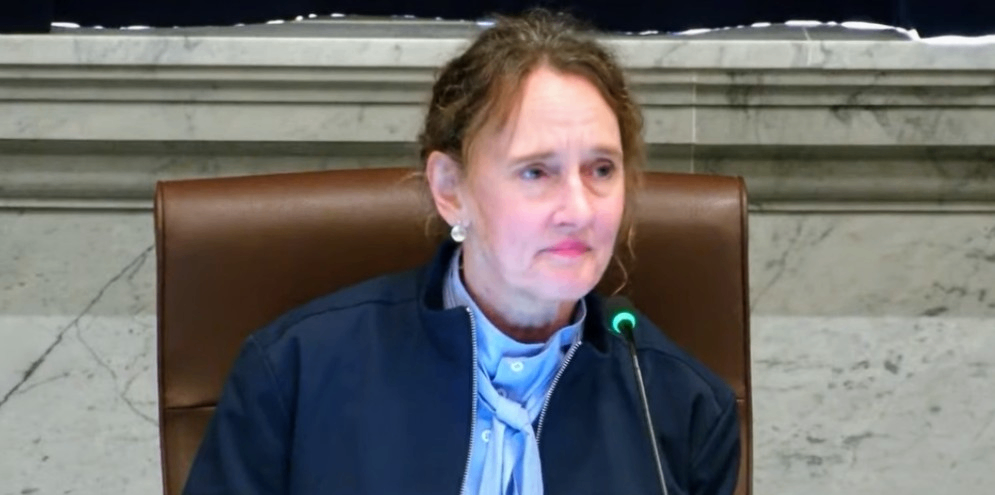
Photo Credit: YouTube / Minneapolis City Council -- Elizabeth Shaffer
Shaffer further noted the data center would be reusing a vacant building, not creating an enormous new campus; additionally, state law requires those using massive amounts of electricity to pay for infrastructure upgrades, so utility costs wouldn’t shift onto residents of Minneapolis. Opponents continued to argue that smaller downtown data centers use water comparable to a medium-sized apartment building, and the water use is ‘overstated’.
As a point of clarification, the subterranean portion of the building that would house the data center is 70,000 square feet, the rest of the 550,000 square foot property is to be used as office space. This means the data center will encompass around 5 million feet of space in total. A data center of this size could use between 150,000-500,00 gallons of water daily*. On the high end, that would be 182.5 million gallons a year, enough to drain half the Techny Basin Reservoir in Illinois. On the low end, that’s 1.8 million gallons a year, enough to fill almost three Olympic-sized swimming pools.
To add to or correct any information in this report, please contact me at kristin.h@lead4earth.org.
*The amount of water consumed by a data center depends on the cooling systems used. This representation is an estimate based on the number of square feet allotted for the data center, and average water consumption of other data centers of similar size.
0
0

Comments