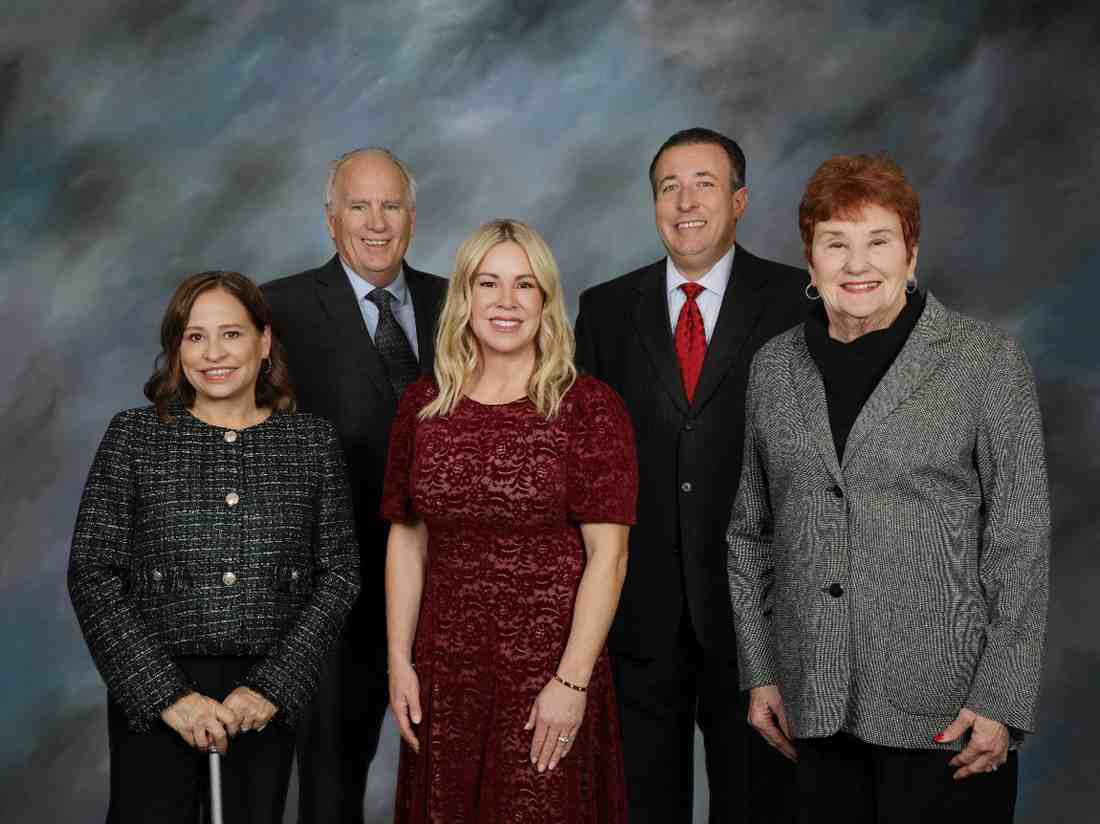
Photo Credit: City of Roseville / Image of the Roseville City Council
(ROSEVILLE, Calif.) – A ballot measure in Roseville would raise City Council salaries from $600 to $2,550 per month—a 325% increase after 26 years without an adjustment.
If approved by voters, Measure A would set council members’ annual compensation at $30,600. For five council members, the increase would add $117,000 to annual council compensation. According to the city, this is “.013% of…[it’s] total budget of $877 million.”
According to the city’s website, council members do not receive “insurance benefits.”
Measure A also establishes a cap of 5% for annual cost-of-living adjustments (COLAs), which are tied to inflation. As noted in ballot documents for the measure, COLAs will be determined by the Consumer Price Index (CPI). According to former Mayor Carol C. Garcia, the adjustments “can never exceed inflation,” but they can be less than 5%.
The 5% cap on annual council COLAs is higher than the statutory 3.5% limit on annual adjustments to California’s minimum wage, as outlined by the state’s Director of Industrial Relations. Neither figure provides an automatic increase; each establishes the maximum adjustment allowed under its respective formula.
California’s minimum wage is set to reach $17.40 per hour in 2027, an increase of almost 3% from its current rate.
The proposed salary can also be compared with the earnings of a full-time minimum-wage worker, both when the council’s compensation was last adjusted and under the wage scheduled in 2027.
In 2000, when council compensation was last adjusted, the minimum wage was $5.75 an hour. At the scheduled $17.40 minimum wage in 2027, a full-time worker earning minimum wage would make about $3,016 per month, compared with approximately $997 per month in 2000. The proposed $2,550 monthly council salary would equal about 85% of those projected 2027 monthly earnings, compared with about 60% of a full-time minimum-wage worker’s earnings when the council salary was $600.
This comparison is intended to provide economic context about gross wages before taxes, not to suggest a parallel relationship between council salaries and minimum-wage earnings.
Former Roseville Mayor Richard Roccucci raised a different comparison: how council salary adjustments are determined relative to the wage increases of city employees.
“Why should we have an automatic salary increase for council member compensation when all other city employees do not and are governed by labor agreements which are reviewed and adjusted by the council every couple of years?” Roccucci also wrote in the ballot argument that the measure had “two parts”: the initial increase to council salaries, and the annual adjustment.
Roccucci is the husband of current councilmember Pauline Roccucci.
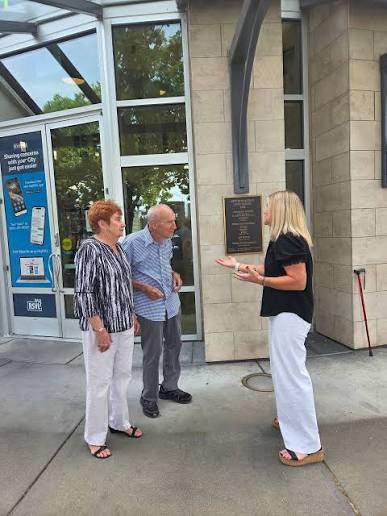
Photo Credit: @anneforcitycouncil2026 / Instagram / Richard Roccucci (middle) with wife Pauline at his side.
In her impartial analysis of the measure, City Attorney Sheidenberger said the annual adjustment rate is lower than what state law permits. The analysis and pro-Measure A arguments also cite the growth of Roseville and the increasing complexity of council responsibilities as factors supporting the proposed salary increase.
According to the analysis, Roseville's population has expanded from about 75,000 residents in 2000 and is now “exceeding 165,000” residents — an increase of about 169%. Additionally, the council oversees “a workforce of approximately 1,400 employees, and…about $1 billion in municipal operations.”

Photo Credit: Roseville Area Chamber of Commerce / President & CEO Ananda Rochita
Among the signatories to the "Arguments for Measure A" were Roseville Area Chamber of Commerce President and CEO Ananda Rochita and former Roseville Mayor Carol C. Garcia. The proponents said, in part, that “Roseville is unique in the breadth and complexity of its services,” providing such necessities as “electric, water, wastewater, fire, parks, transit, libraries, and housing services…in-house,” instead of outsourcing them.
The last time Roseville's City Council saw an increase to its monthly salary, the Twin Towers still stood and the minimum wage was $5.75. Now, voters will decide whether council salaries stay at $600 or increase to $2,550, with future adjustments tied to the CPI and capped at 5%.
To add to or correct any information in this report, please contact me at robert.m@lead4earth.org or leave a comment below with your thoughts.
0
0

Comments