(OPGOV, GLOBAL) --- The story starts with a canal that was never finished and ends with a federal law that now governs 1,300 plus toxic sites nationwide.
In 1894, developer William T. Love began digging a canal to link the Niagara River to Lake Ontario and power a planned "Model City." The project went bankrupt. The ditch sat empty for 50 years and became the dumping ground for a chemical company.
From 1942 to 1952, Hooker Chemical and Plastics Corporation used the 15-acre canal to bury more than 20,000 tons of chemical waste. Drums were stacked and covered with clay. At the time, no laws governed hazardous waste disposal.
(Photo Credit: Brittanica.com)
In May 1953, Hooker sold the land to the Niagara Falls Board of Education for $1.00; the deed included a disclaimer of responsibility for future damages. In February 1955 the City of Niagara Falls built the 99th Street Elementary School on the site and sold surrounding parcels for housing.
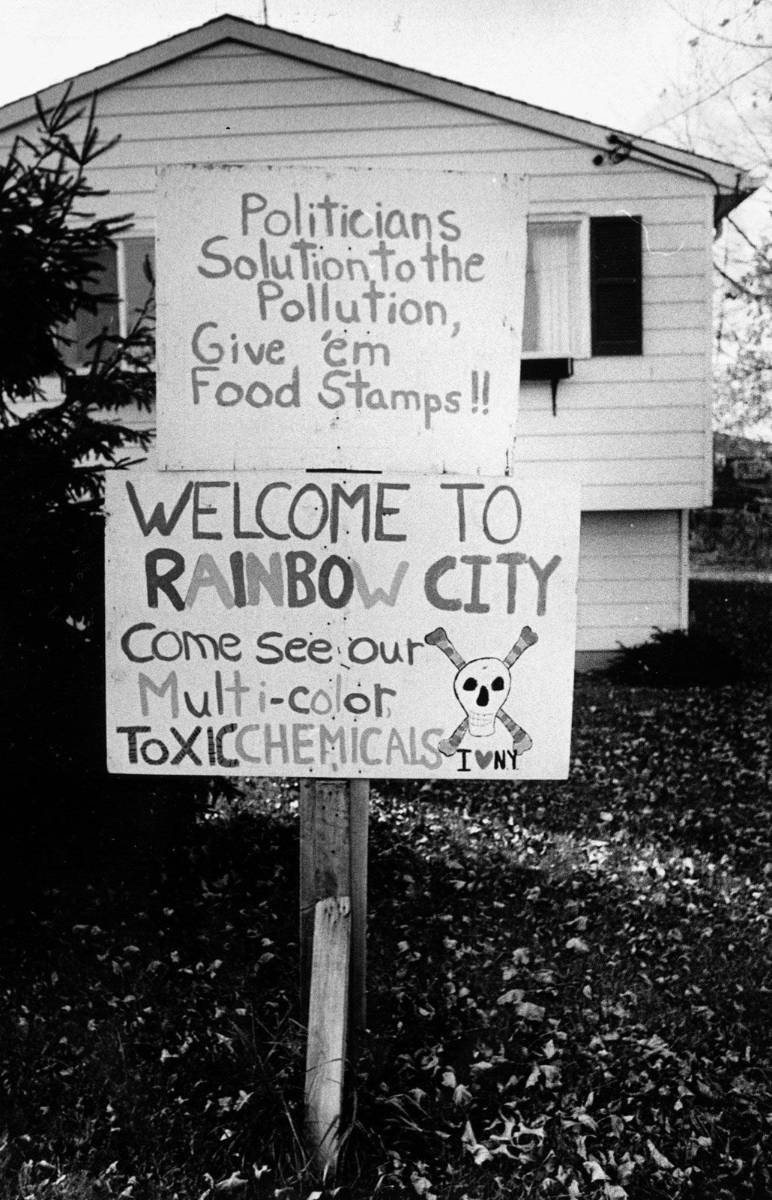
By the mid-1970s, residents in the working-class Love Canal neighborhood reported problems: black sludge in basements, foul odors, burnt sneakers, dead animals, sick children, strange sores and gardens that would not grow.
In October 1976, the Niagara Gazette reported chemicals were seeping into homes. In 1977, U.S. Representative John J. LaFalce and the Environmental Protection Agency (EPA) began investigating.
In April 1978, the New York State Health Commissioner ordered health studies. In May, EPA air sampling in basements found toxic vapors. By August, the state identified more than 80 dangerous chemicals, including dioxin, benzene, and toluene, in the soil and water.
Residents reported clusters of health problems: miscarriages, birth defects, cancer, respiratory disease, severe headaches, rheumatoid arthritis, and developmental issues in children. One 15-house street reported eight cases of cancer.
The response was led not by scientists or lawyers, but by mothers. Lois Gibbs, a resident of 101st Street with two young children, started a petition to close the 99th Street School after her son Michael, who had no health problems, began having seizures.
When state officials dismissed resident-collected data as "useless housewife data," the women taught themselves. The Love Canal Homeowners Association, which grew out of the Love Canal Parents Association, went door-to-door conducting their own health surveys. They documented illness house by house and began mapping different clusters of issues. They tracked water flow around their area and found that one place where people weren’t getting sick, the water was not passing over contaminated sites, proving that the water was carrying the poison.
"They looked at us as hysterical housewives," resident Patti Grenzy later said. "They figured, 'Oh, well, they'll give up. They'll go back to their knitting.' But we were stronger than that."
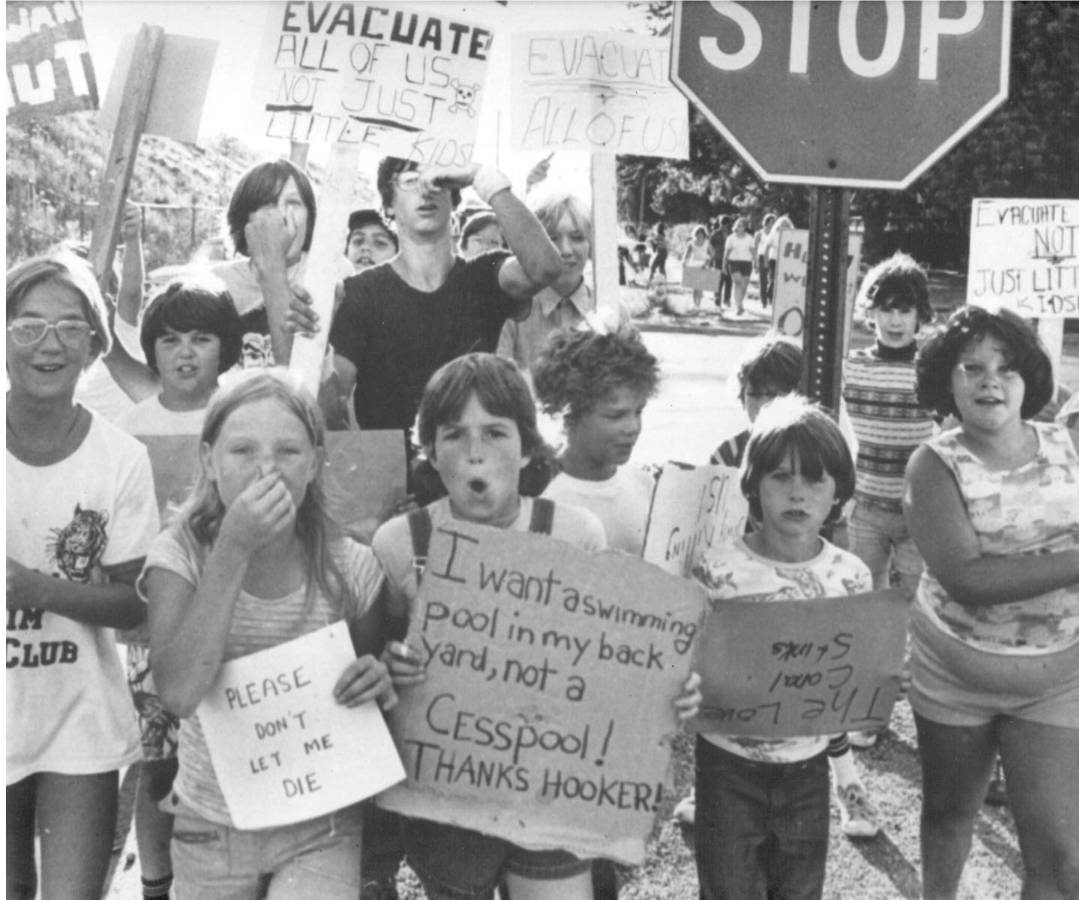
The community became split by the state's response. Safety measures included chain-link fences that divided some homes from others, and evacuation orders that applied only to "Ring 1 and Ring 2" around the canal, leaving residents in "Ring 3" trapped.
Frustration peaked after the EPA released a study suggesting possible chromosomal damage among Love Canal residents. In May 1980, hundreds of angry residents surrounded the Love Canal Homeowners Association office, making sure no possible exit was unguarded. They detained two EPA representatives inside, demanding a meeting with federal officials. The standoff lasted several hours.
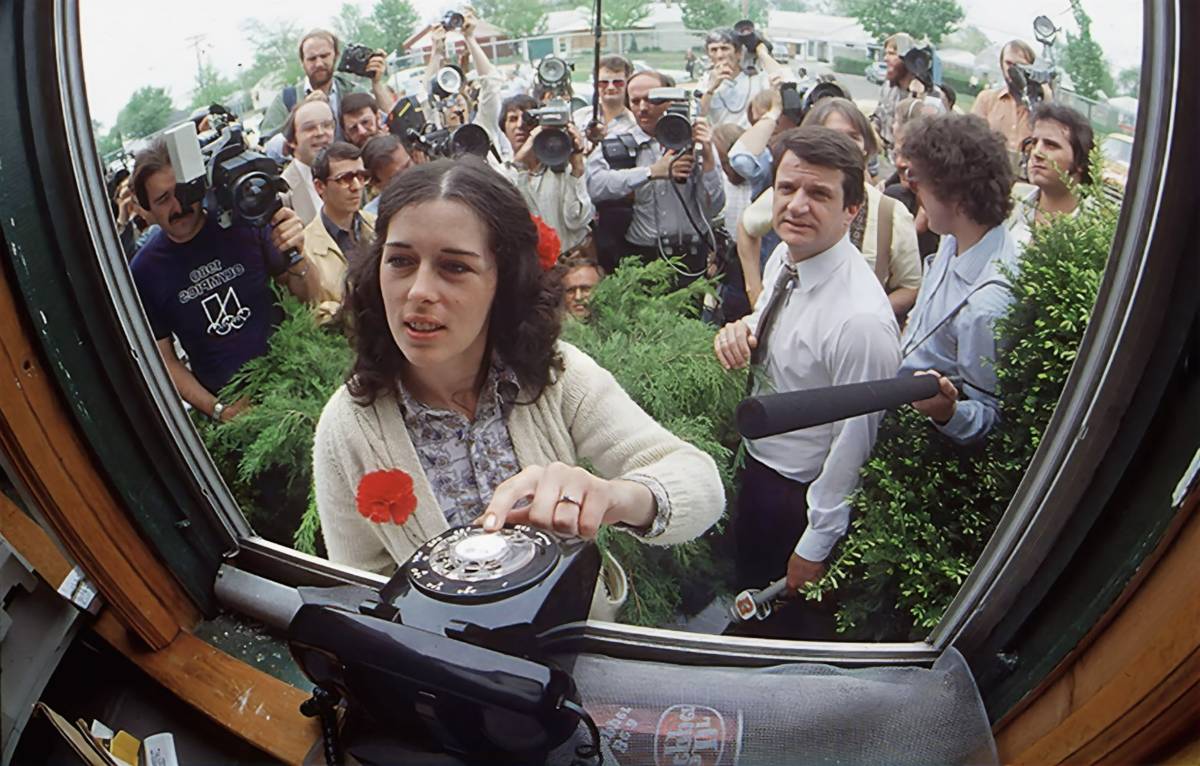
(Lois Gibbs calls the White House and demands Love Canal be put in a state of Emergency)
Lois Gibbs negotiated the release of the two EPA agents only after securing a commitment from the White House to address the relocation of families.
Ten days later New York Governor Hugh Carey had declared a state of emergency and ordered the evacuation of pregnant women and children under 2.
(Photo Credit: loe.org)
After the hostage incident and continued pressure, President Jimmy Carter approved federal emergency funds. Ultimately, over 200families were relocated at a cost of more than $10 million.
The catastrophe at Love Canal forced Congress to act. In December 1980, Congress passed the Comprehensive Environmental Response, Compensation and Liability Act, known as CERCLA or "Superfund".
CERCLA’s goal is to protect citizens from disasters by cleaning up and classifying sites, making polluters pay for pollution and return sites to productive use. CERCLA gave the EPA authority to identify and clean up the thousands of manufacturing facilities, landfills, and processing plants where hazardous waste had been dumped or improperly managed. When no responsible party could be found, Superfund provided the money to do the work.
Love Canal became the reason superfunds exist. It was the first chemical disaster to unfold on national television, and the first time a community of ordinary residents forced the federal government to buy them out of their homes.
Today, the EPA lists more than 1,300 sites on the National Priorities List. The principle remains the same one Lois Gibbs and her neighbors demanded in 1978: the polluter pays, and people should not have to live on top of poison.
Thumbnail photo credit: National Geographic.
To correct or add any information contact me at pepper.w@lead4earth.org.
1
1

Comments